



Does It Snow in Tanzania? Kilimanjaro Snow, Seasons and the Best Time to See It (2026)
Does It Snow in Tanzania?
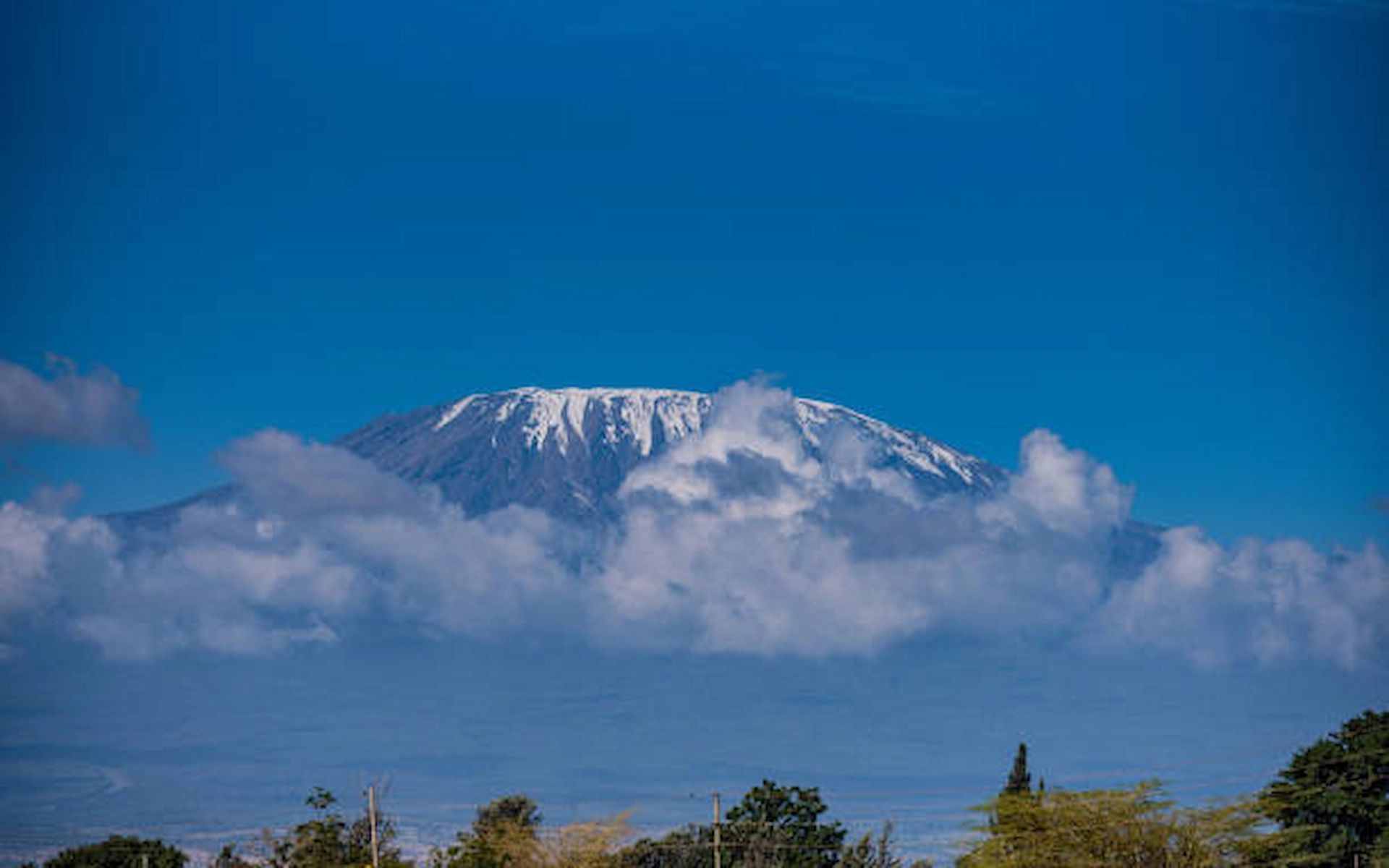
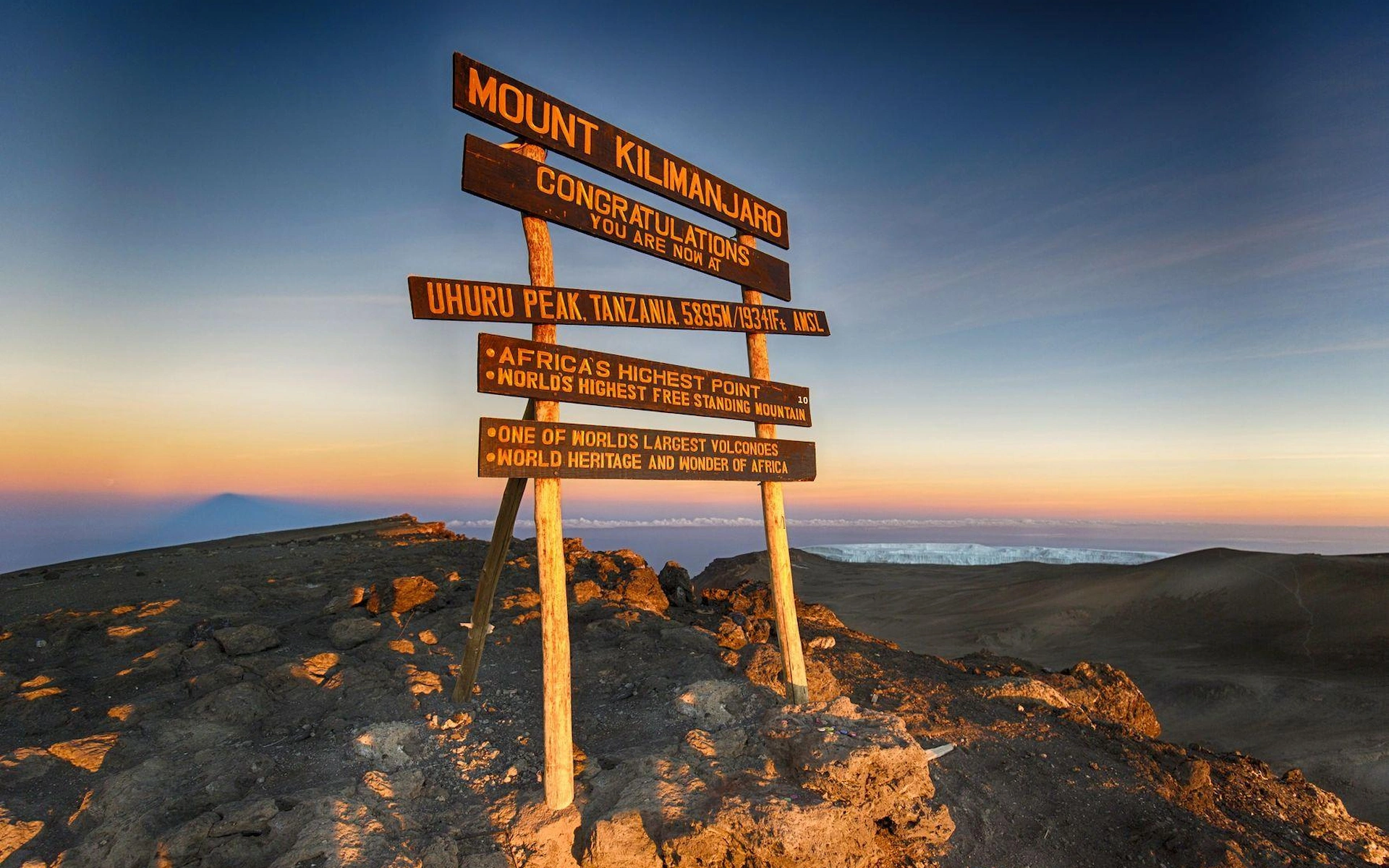
Snow and Africa don’t sound like they belong in the same sentence, but yes, it snows in Tanzania. Only on the high mountains, mainly Kilimanjaro, and not where most visitors stay. Tanzania lies close to the equator, so the coast, Zanzibar, the safari parks and the cities never see it. Kilimanjaro, though, rises to 5,895 metres at Uhuru Peak, and conditions near the summit are freezing all year, so snow and ice can be present in any month.
Fresh snowfall is more likely during the wetter parts of the year, roughly from November to April. Weather on the mountain changes quickly, so snow is never guaranteed on a particular climb.
Where Snow Falls in Tanzania
Kilimanjaro
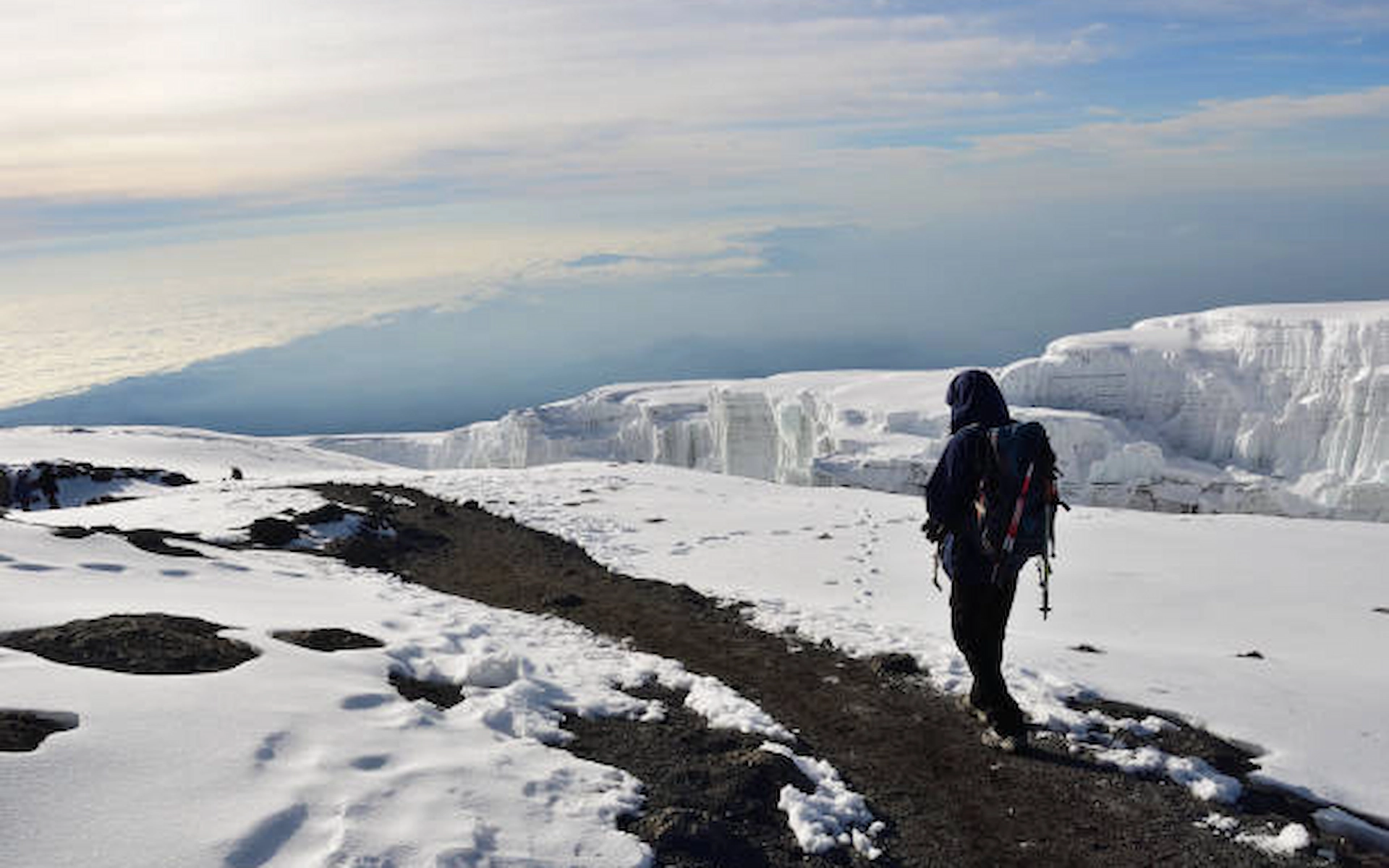
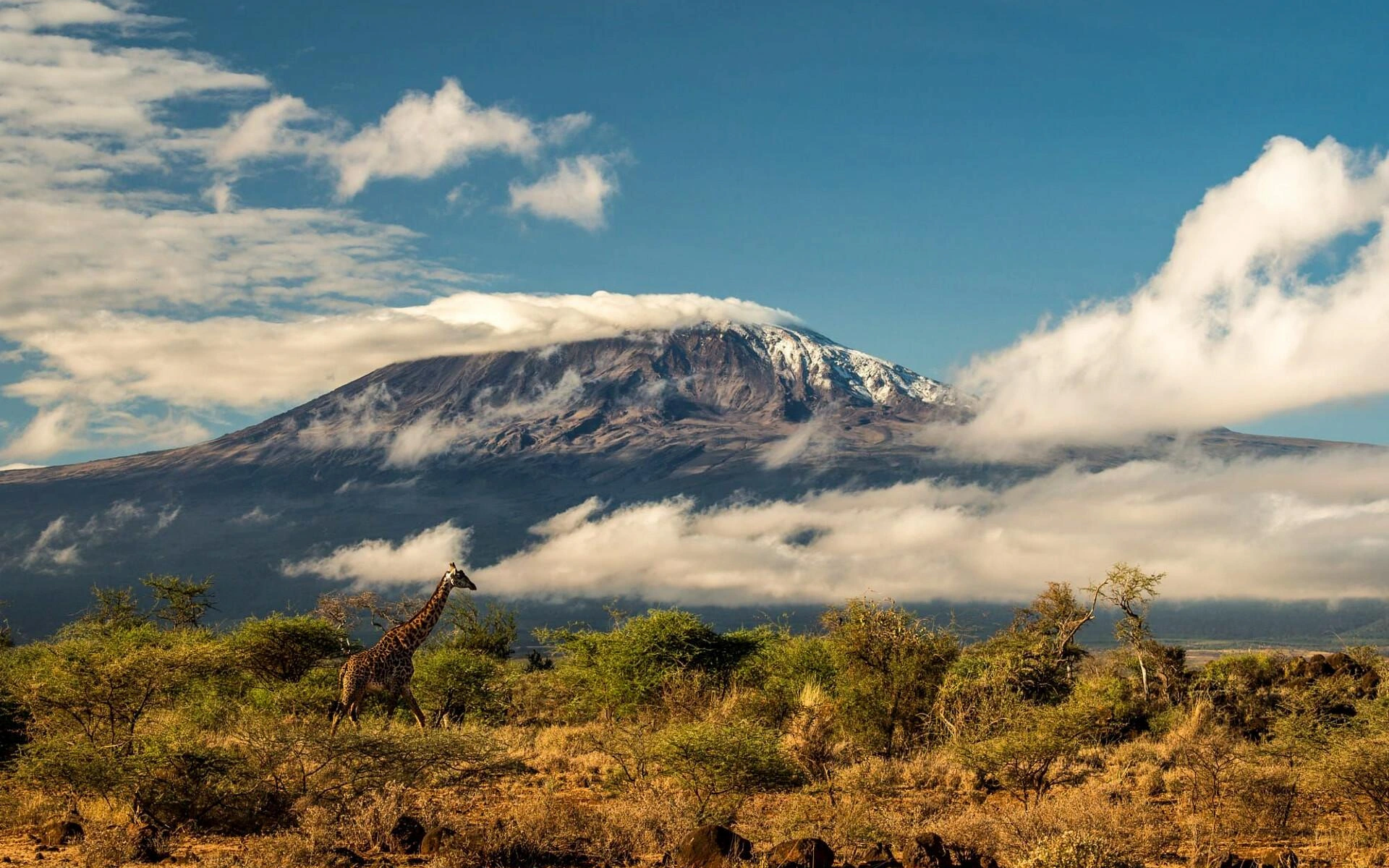
Kilimanjaro is Tanzania’s main snow destination. Climbers may meet snow on the upper slopes, around the crater rim and near Uhuru Peak. The mountain still has glaciers and ice fields near the summit, although they have shrunk greatly over the last century.
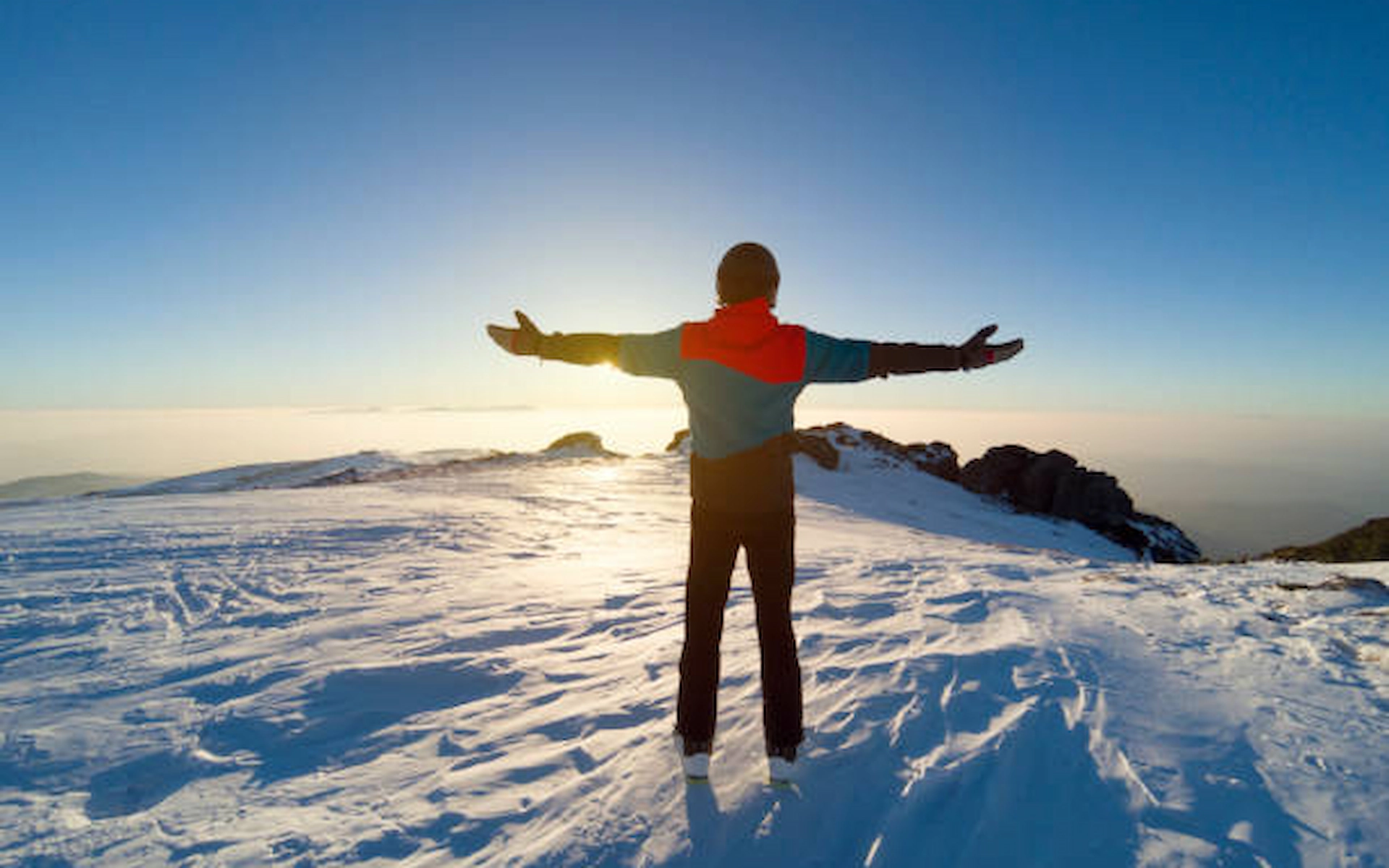
How cold is it? At Uhuru Peak, temperatures usually range from about 4°C at midday to about 27°C in the middle of the night. Most climbers reach the summit around sunrise, so you will likely feel something in between. The coldest months at the summit are usually June and July.
Mount Meru
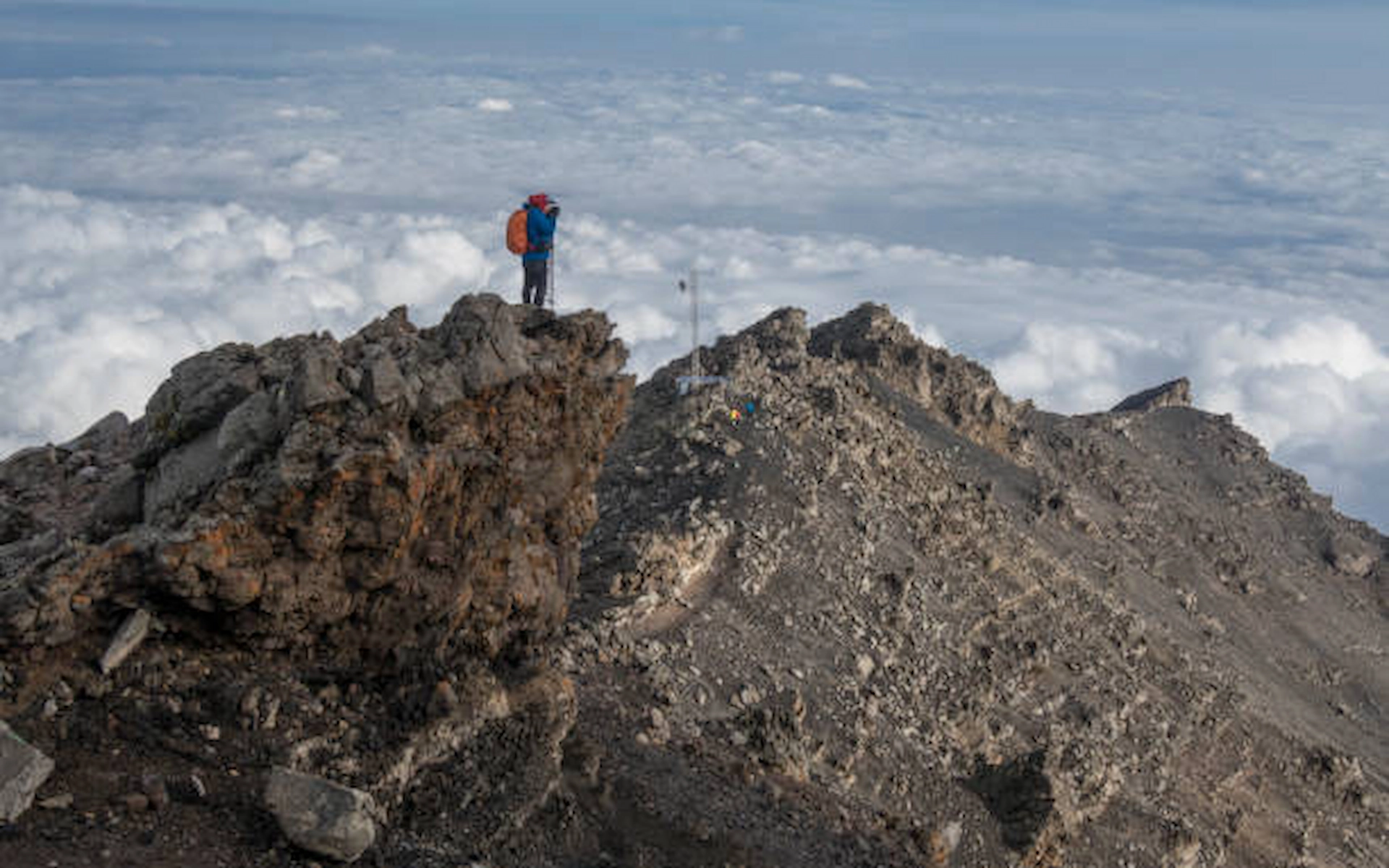
Mount Meru, near Arusha National Park, reaches about 4,565 metres. It is much lower than Kilimanjaro and is not reliably snow-covered. Summit night can still be very cold, and climbers report frost on the rocks and, in some seasons, a light dusting of snow near the top. Warm layers are essential before sunrise.
The rest of Tanzania
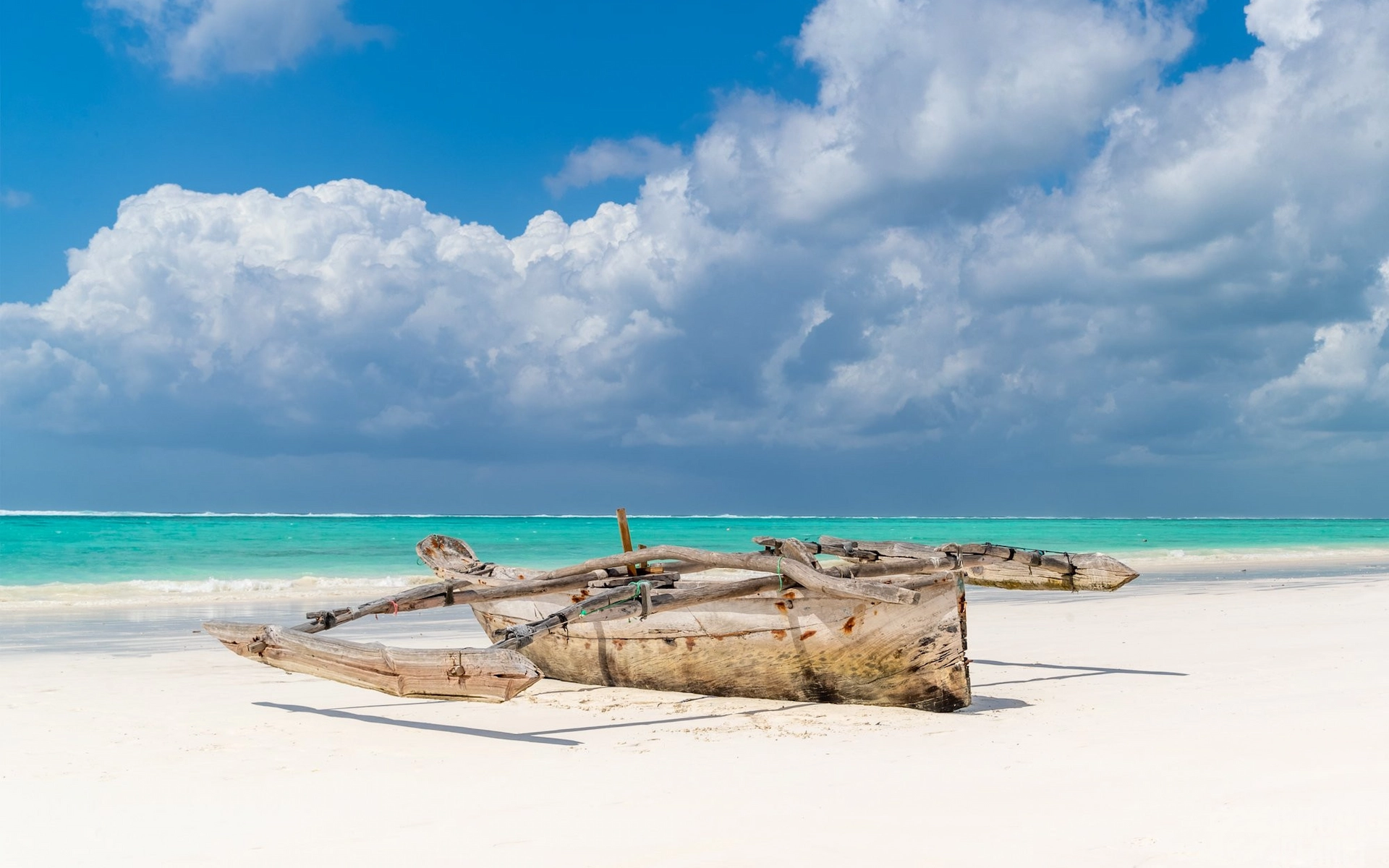
Outside the highest mountains, Tanzania does not get snow. The Ngorongoro Highlands and other high northern areas can feel cold at night, especially from June to August, but temperatures stay well above snow conditions. Zanzibar, Dar es Salaam and the Indian Ocean coast stay warm all year.
When Is Snow Most Likely on Kilimanjaro?
Fresh snow is generally more likely from about November to April. Snow and ice can be seen year round, even in the dry months, but there is less fresh snow then. Here is how the year usually looks:
- January to early March: a good balance of stable climbing weather and a chance of snow near the summit.
- March to May: the long rains. Fresh snow is possible high on the mountain, but the lower slopes can be wet, muddy and cloudy.
- June to October: the main dry season. Clearer skies and good views, but less fresh snow. Summit nights can still be extremely cold.
- November to December: the short rains. Conditions are more changeable, and fresh snow can return to the summit area.
Mountain weather can change fast. Snow cover, temperatures, visibility and trail conditions can’t be guaranteed in any month.
Which Month Should You Choose?
- Want a chance of snow with fewer rainy days? Choose January to early March.
- Want clearer skies and more reliable trekking conditions? Choose June to October.
- Happy to climb in wetter months? Consider April or November, but expect more cloud, rain and mud on the lower trails.
If you want one answer, we suggest January to early March: stable weather, fewer rainy days and a good chance of snow near the summit.
Not sure which dates suit you? Email us at [email protected] with your travel month, group size and preferred route, and we’ll explain what conditions are most likely during your climb.
Will You Walk on Glaciers During a Kilimanjaro Climb?
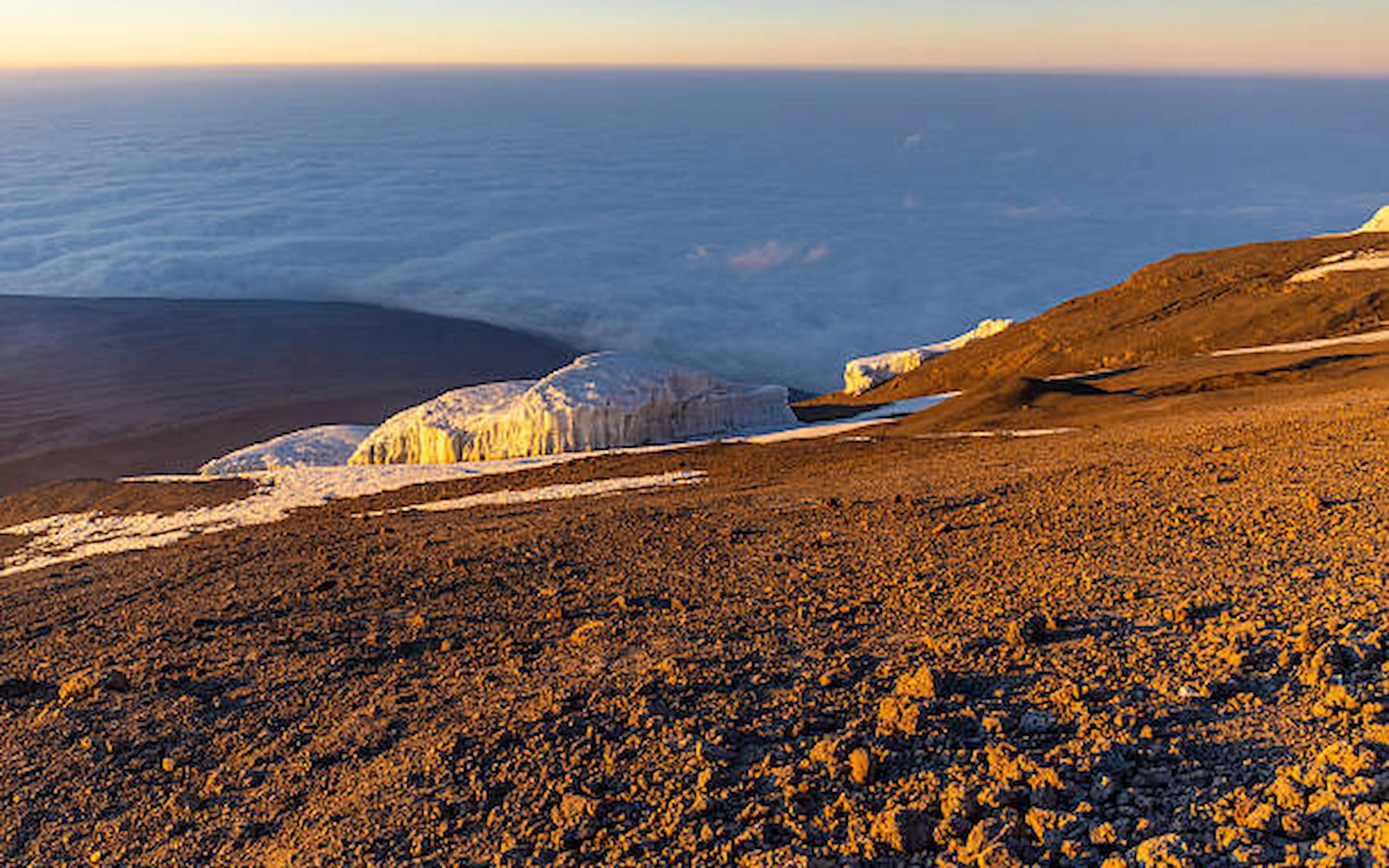
Not on a standard trekking route. The remaining glaciers and ice fields sit high around the summit plateau and crater. On a normal climb you may see snow on the path and look across at the ice fields near the crater rim, especially at sunrise, but you should not expect to walk on a glacier. Kilimanjaro is a high altitude trek, not a technical glacier expedition.
Most climbers start the summit push around midnight and reach the crater rim as the sun comes up. It is cold, quiet and dark, and then the light arrives and the ice fields glow orange. That moment is why so many people ask about snow in the first place.
Are Kilimanjaro’s Glaciers Disappearing?
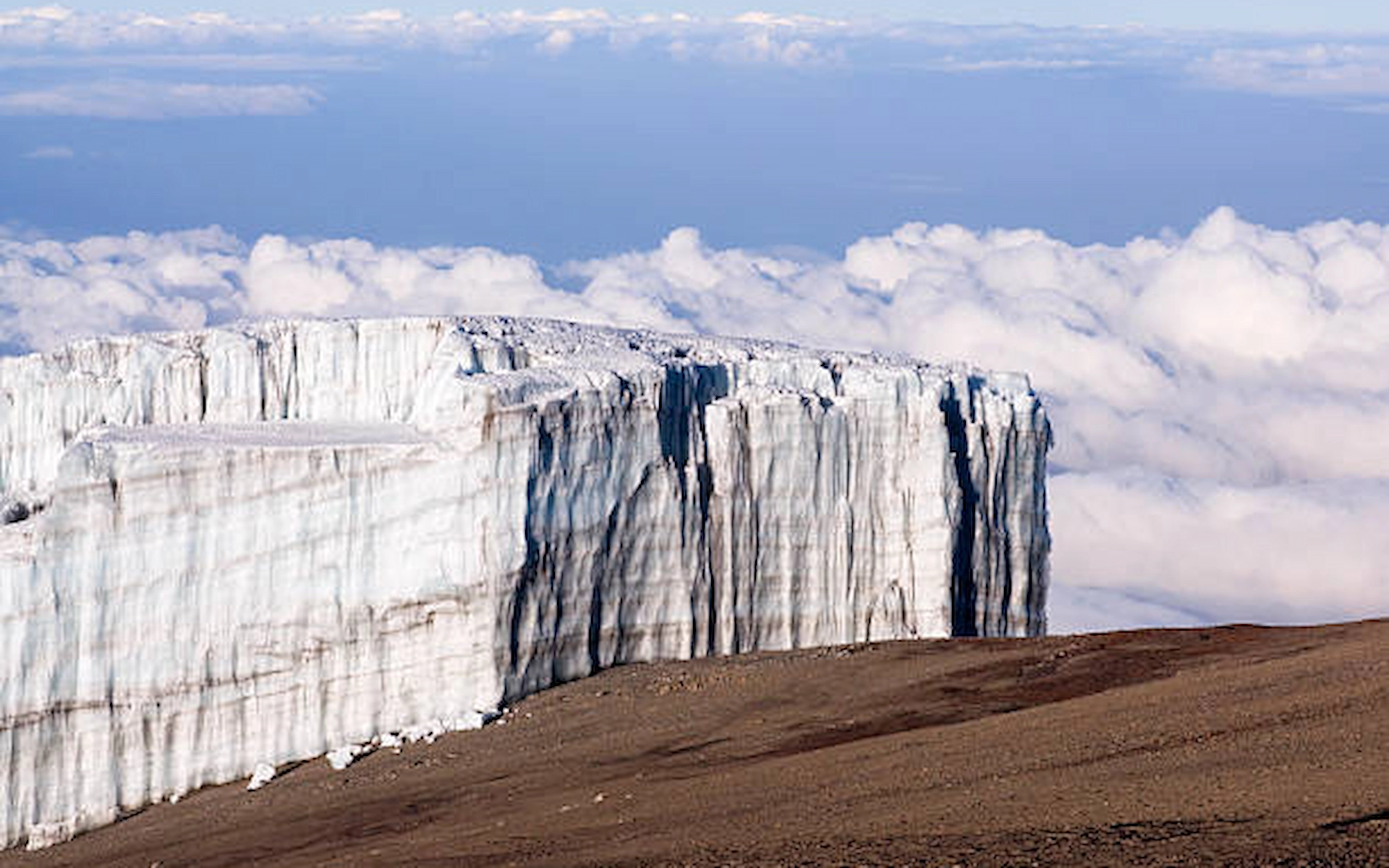
Yes, they are shrinking, but they have not gone. Scientific mapping found that the mountain’s ice cover fell from about 11.4 square kilometres in 1912 to around 1.76 square kilometres in 2011, a loss of roughly 85 percent. UNESCO has projected that the glaciers in Kilimanjaro National Park could disappear by around 2050 if current conditions continue. That is a projection, not a deadline, and earlier forecasts of a faster loss proved too early, so treat any exact year with care.
If seeing the snow is the main reason you’re coming, tell us your dates. Email us at [email protected] with your preferred month and group size, and we’ll suggest the route and season that give you the best chance.
Does Africa Have a Winter?
Not in the way Europe or North America does. Tanzania has wet and dry seasons instead of a cold winter:
- Long rains: usually March to May
- Short rains: usually November to December
- Main dry season: usually June to October
- Coolest period: often June to August, especially in the highlands and on early-morning safari drives
Further south, countries such as South Africa and Lesotho have more distinct winters, and snow can fall there in some years. Snow has also occasionally been recorded at the edge of the Sahara Desert.
Read more: Snow Fall on the Sahara’s Edge
What to Pack for the Cold
For Kilimanjaro, pack warm clothing for summit night in every season:
- Thermal base layers
- Fleece or insulating mid-layers
- An insulated jacket
- Warm gloves or mittens
- A warm hat or balaclava
- Thick trekking socks
- Windproof and waterproof outer layers
For safaris, early morning game drives can be cold, especially in the Ngorongoro Highlands, Serengeti camps and other elevated areas. Bring a fleece, a windproof jacket, long trousers and closed shoes. Read more: What to Wear on a Tanzania Safari
For Zanzibar and the coast, pack light clothing, sun protection, swimwear, sandals and a thin layer for breezy evenings or air-conditioned flights. Planning a beach stay? See Zanzibar Travel Guide 2026 and Best Time to Visit Zanzibar and Actual Costs.
Plan Your Trip With Jairos Adventure
Whether you want to see snow near Kilimanjaro’s summit, enjoy a dry-season safari or finish on Zanzibar’s beaches, Jairos Adventure can help you choose the right time to travel. Email us at [email protected] with your preferred dates, group size and travel ideas, and we’ll send you a clear itinerary and quote.
Ready to explore more?
Whether you want to see snow near Kilimanjaro’s summit, enjoy a dry-season safari or finish on Zanzibar’s beaches, Jairos Adventure can help you choose the right time to travel. Email us at [email protected] with your preferred dates, group size and travel ideas, and we’ll send you a clear itinerary and quote.
- Planning a climb? Lemosho Route Kilimanjaro: The Complete Guide to Itinerary, Difficulty and Success Rates
- When to go on safari: When to Go on Safari in Tanzania: A Season by Season Planning Guide
- How long is the climb? How Long Is the Kilimanjaro Climb? A Route by Route Duration Guide
- What lives on the mountain: Wildlife on Kilimanjaro
- Compare operators: How to Choose a Kilimanjaro Trekking Company
- Things to do beyond the climb: Things to Do in Kilimanjaro, Tanzania
FAQ
The glaciers are shrinking rapidly. UNESCO projects they could be gone by around 2050 if current conditions continue, but the exact timing is uncertain.
Search Blog
Recent Articles
Machame Route Kilimanjaro: 7-Day Itinerary & Guide
Oct 13, 2026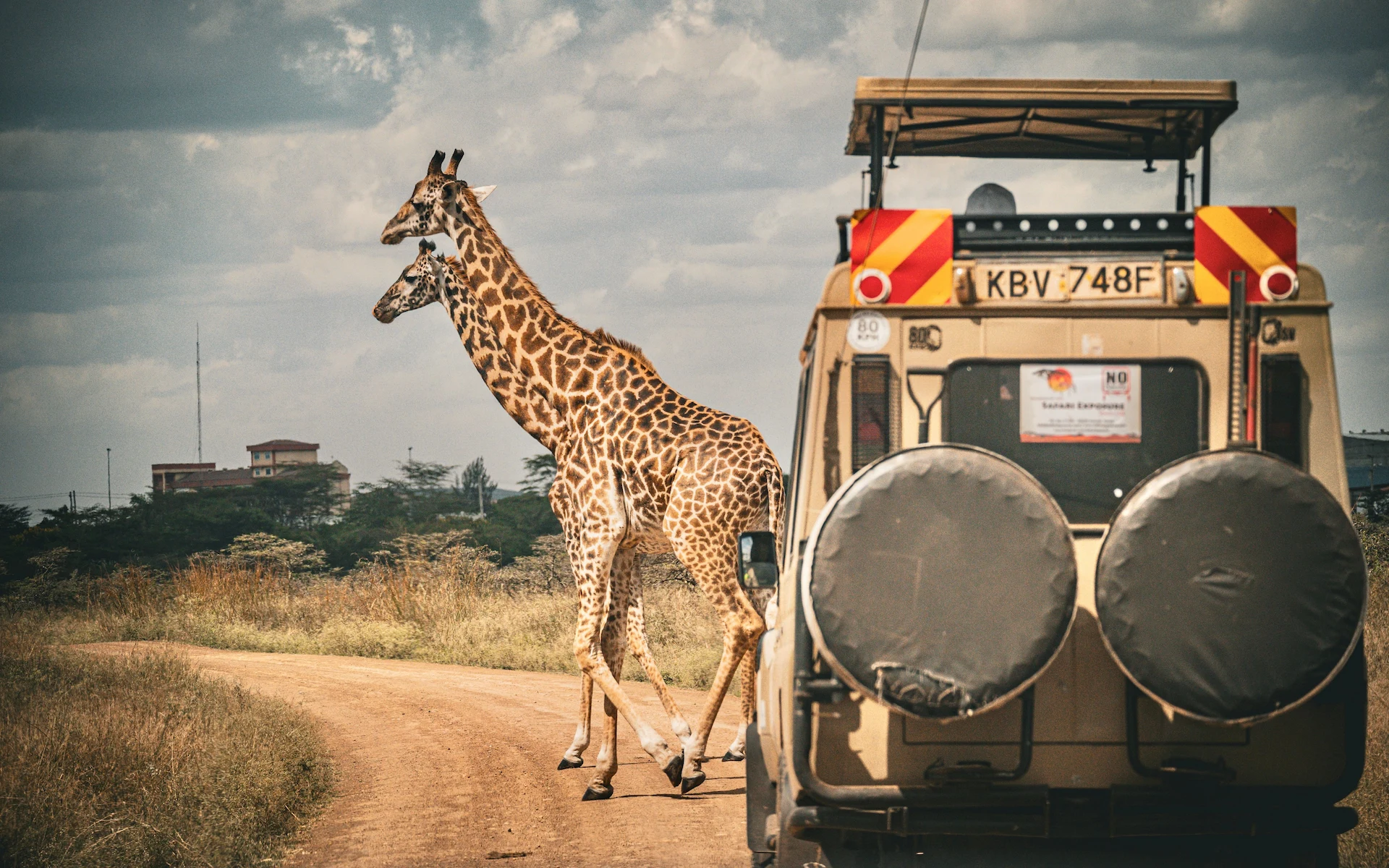

Ready for an Adventure?
Book your dream safari tour today and experience the wild like never before.
View Tours