
When Is the Best Time to Climb Kilimanjaro? A Month by Month Guide (2026)
Best Time to Climb Kilimanjaro: A Month by Month Guide (2026)
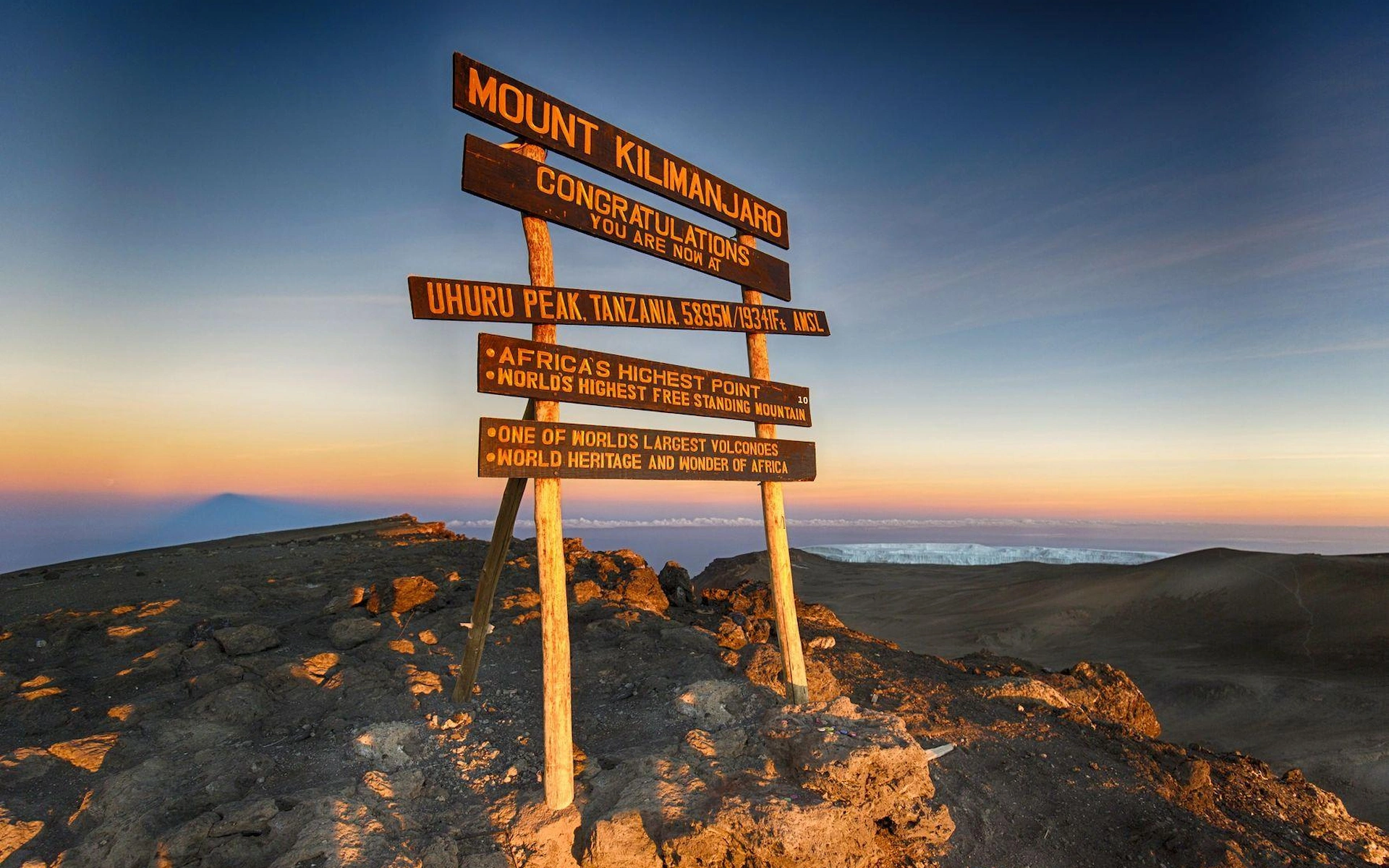
Mount Kilimanjaro is never closed. Its summit at 5,895 m (19,341 ft) can be reached in any month, but the weather you meet changes a lot. The two dry seasons, late June to October and mid-December to mid-March, give the clearest skies and the firmest trails. The rainy months make the climb muddier and colder.
This guide compares every season and month, shows which route suits each one, and helps you choose dates around your priorities: dry weather, warmth, quiet trails, snow or a full moon. Our Arusha based team runs Kilimanjaro climbs on all the main routes, and we plan dates with climbers every week
Best time to climb Kilimanjaro at a glance
- Best overall: late June to October, and mid-December to mid-March
- Driest and clearest: July to September
- Warmest: January and February
- Best balance of weather and fewer people: September, and late January to early March
- Quietest: April, May and November, but wet
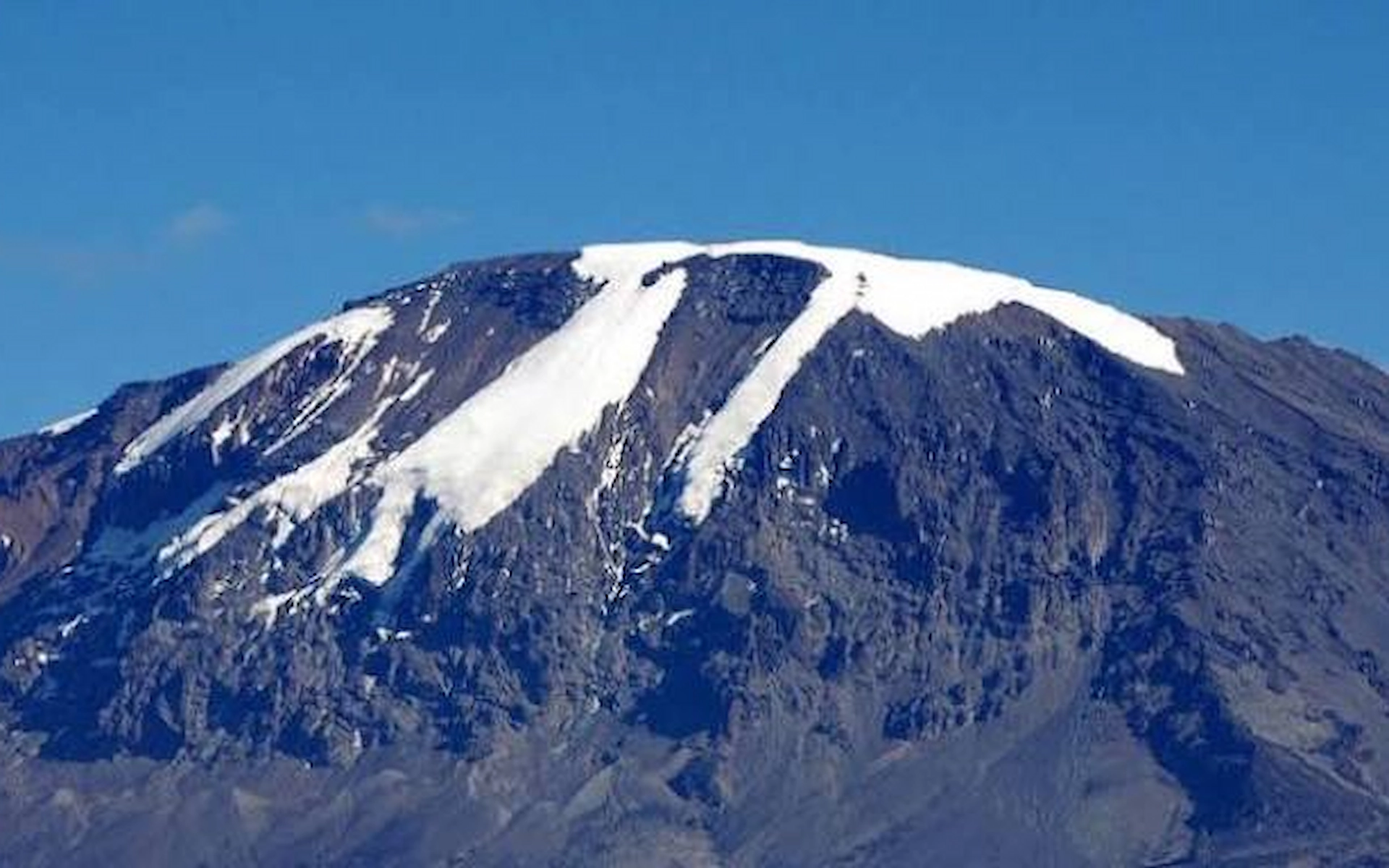
- Most likely to be snowy at the summit: December to March
- Worst weather: April and May (long rains)
- Hardest to book: July, August, Christmas and New Year, and full moon dates
Kilimanjaro’s seasons explained
Kilimanjaro sits near the equator, so it has wet and dry seasons rather than summer and winter. Moist air from the Indian Ocean hits the mountain from about March and brings the heaviest rain to the southern slopes. From roughly June, drier winds from the north-east keep that moisture lower down, so the weather is usually clearer.
Season | Months | Weather | Crowds |
|---|---|---|---|
Long dry season | Late June to October | Driest, clearest skies, cold nights | Busiest in July and August |
Short dry season | Mid-December to mid-March | Warm days, mostly dry, some cloud and showers | Busy over Christmas and New Year, quieter after |
Long rains | Late March to May | Heavy rain, muddy trails, poor visibility | Very quiet |
Short rains | November to mid-December | Showers, mostly later in the day | Quiet |
Long dry season: late June to October
Rain is rare and visibility is excellent. July and August are peak months because they match European and North American holidays, so camps and trails are busier. June and September are good ways to keep the dry weather with fewer people. Early October is usually still dry, but rain risk grows through the month.
Short dry season: mid-December to mid-March
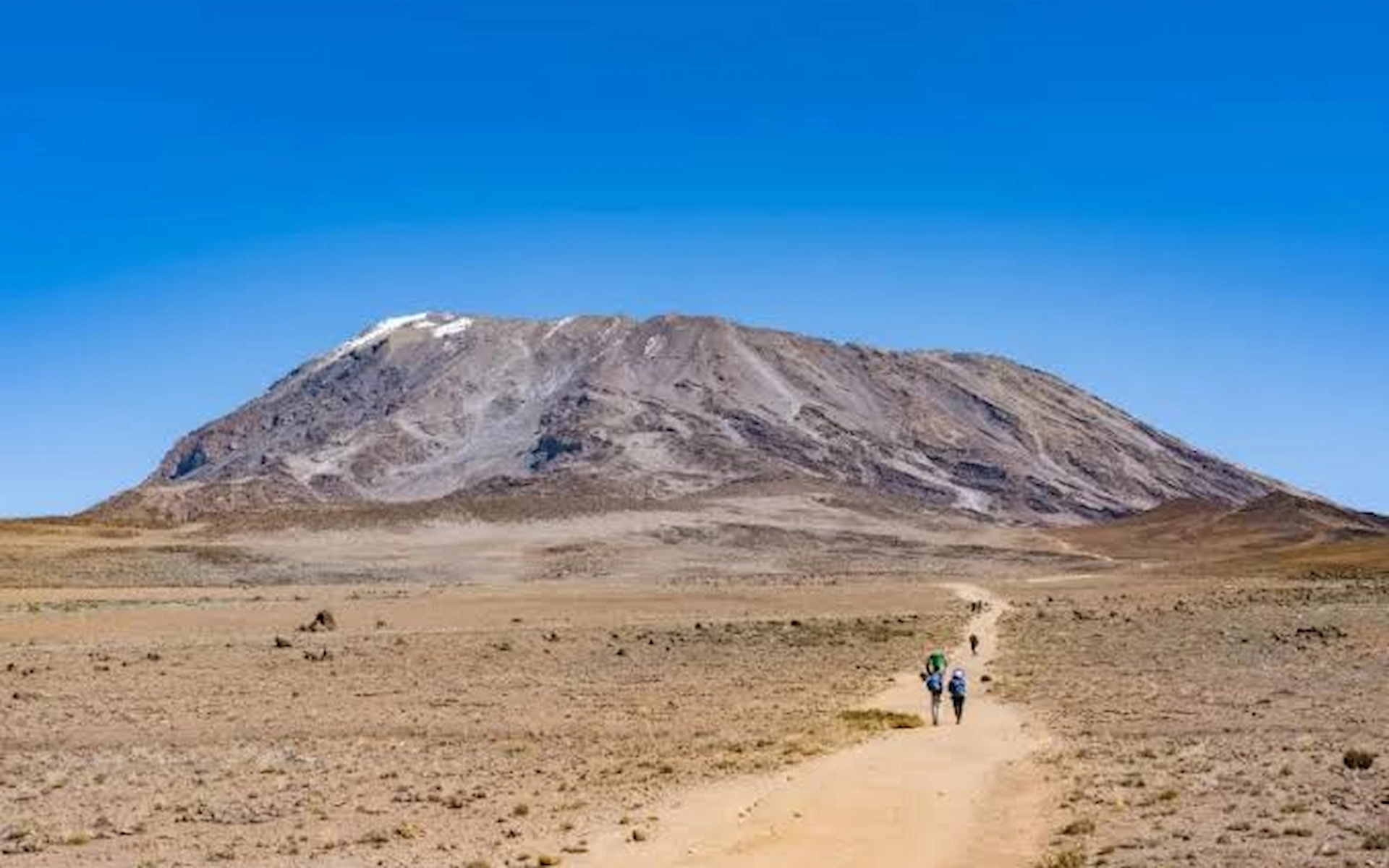
Daytime temperatures are comfortable, the scenery is greener and January and February are usually the most reliable months. This is also the best window for a snow capped summit. March starts well but becomes less dependable as the rains approach.
Long rains: late March to May
Trails are muddy, cloud is heavy and views are often poor. Few people climb, but wet clothing in thin air raises the risk of getting dangerously cold. We don’t recommend it for first timers.
Short rains: November to mid-December
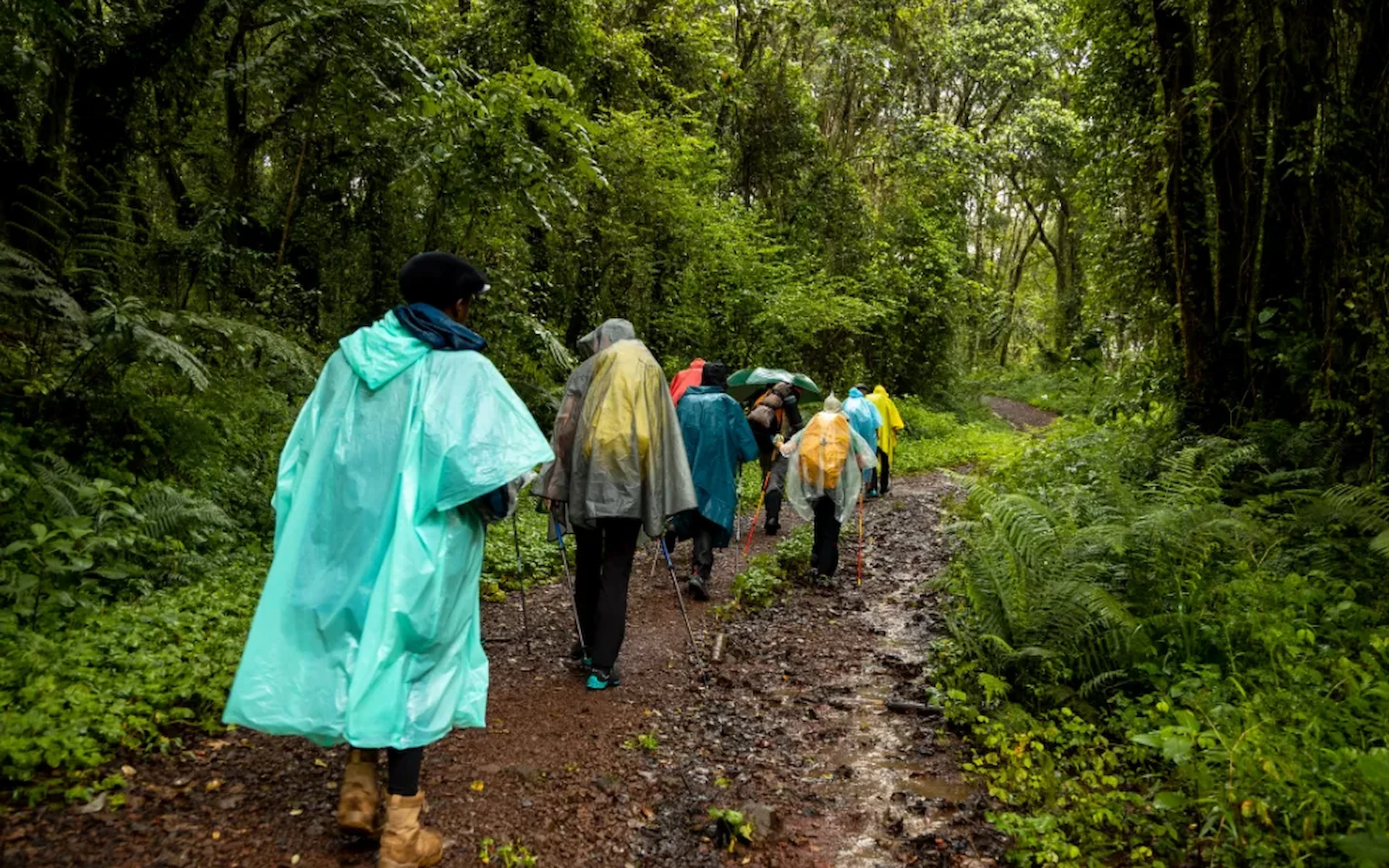
Rain is usually shorter and lighter than in April and May, but conditions are unsettled, especially on the southern routes.
Best month to climb Kilimanjaro: month-by-month
Month | What to expect | Verdict |
|---|---|---|
January | Warm, mostly dry, good views, snow chance at the top | Very good |
February | Similar to January, often the most settled | Very good |
March | Dry early, increasingly wet later | Good early, risky late |
April | Peak long rains | Avoid |
May | Wet and cloudy | Avoid |
June | Dry season starts, quieter, clear | Very good |
July | Dry, clear, busiest | Excellent, crowded |
August | Dry, clear, busiest | Excellent, crowded |
September | Dry, fewer people than July and August | Excellent, our top all round pick |
October | Dry early, more rain risk late | Good |
November | Short rains, quiet | Possible, not ideal |
December | Wet at the start, dry from mid-month, busy at Christmas | Good from mid-month |
How to choose the best time for you
If you want the driest weather
Choose July to September. These months give the best chance of clear skies and firm trails. Book early, because they fill first.
If you want warmer temperatures
Choose January or February. You still need serious cold weather gear for summit night, but the days lower down are more comfortable.
If you want fewer crowds
Choose September, June, or late January to early March. You keep mostly dry conditions with fewer people than July and August. The mountain is also busy around full moon dates, even in quieter months.
If you want to see snow
Choose December to March. Snow can fall at the summit in any month, but this window gives the best chance of a white Uhuru Peak.
If your dates are fixed and wet
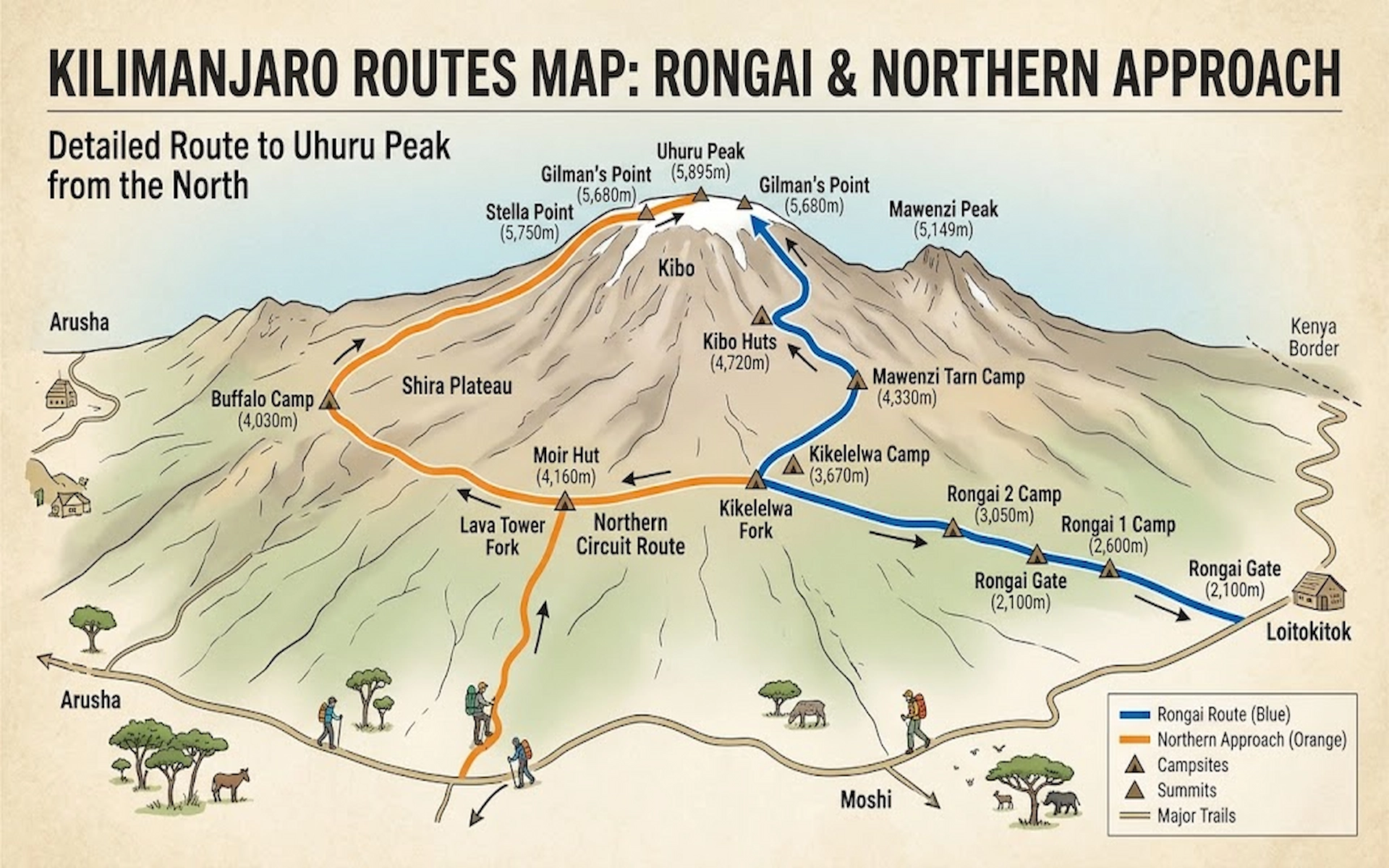
You can still climb. Choose a longer itinerary, waterproof everything and ask us about routes. The northern Rongai route is usually drier and more sheltered than the southern routes, which makes it a common choice outside the dry seasons.
Which route suits which season?
Your route and your number of days matter more for summit success than the month alone. A longer climb gives your body more time to adjust to altitude, whatever the weather. We steer first timers toward 7 days or more. See our How Long is the Kilimanjaro Safari? Your Complete Duration Guide
- Machame: very popular in the dry seasons and great scenery, but busier in peak months. Check out our Machame Route Kilimanjaro: 7-Day Itinerary & Guide
- Lemosho: a quieter western approach and good acclimatization, a strong choice year-round. See our Lemosho Route Kilimanjaro: The Complete Guide to Itinerary, Difficulty and Success Rates
- Rongai: the northern approach, usually drier, a common pick for wetter months.
- Marangu: sleeps in huts, which some climbers prefer in wet weather, and is busy in peak months. Look out our Marangu Route Kilimanjaro: Huts, 5 vs 6 Days, Difficulty and Success Rate (2026)
- Northern Circuit: the longest route, with the quietest trails and the most acclimatization time.
Weather and temperature on the mountain
You pass through five climate zones, from warm, humid rainforest to an arctic summit zone. Temperatures depend far more on altitude and time of day than on the month. Summit night is freezing in every season, usually around -10°C to -20°C (14°F to -4°F) and colder with wind chill. You need layers for every month, plus waterproofs even in the dry seasons, because showers can happen at any time.
Crowds: when the mountain is busiest
July, August, Christmas and New Year, and full moon dates are the busiest. Machame and Marangu feel the crowds most. Quieter periods are the shoulder months on either side of the rains, but the trade off is more weather risk.
Full moon and new moon climbs
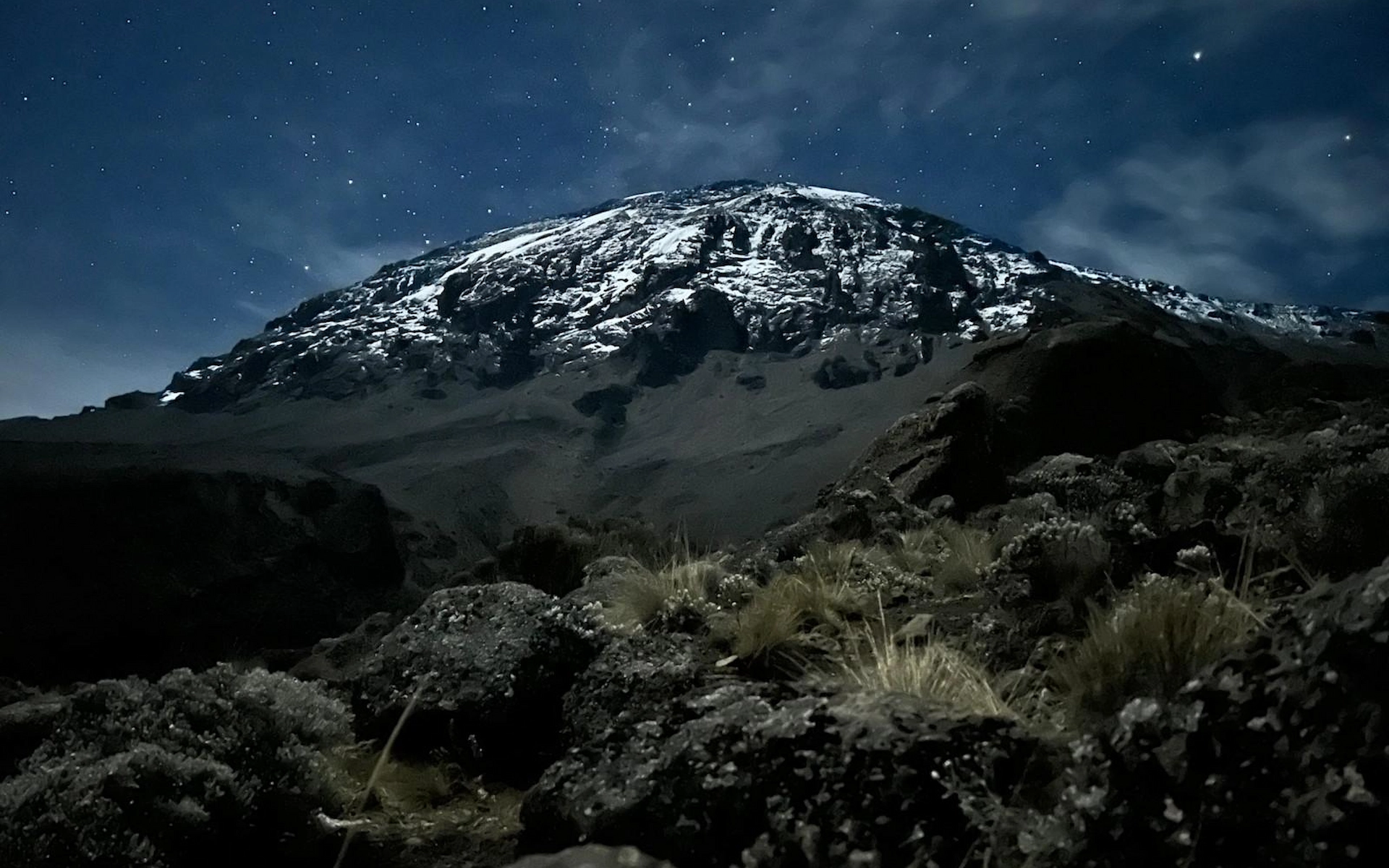
Many climbers time summit night for a full moon, which lights the final ascent and the glaciers. Start your climb a few days before the full moon so summit night lands on or just around it. For a 7-day climb that means starting about five days before. The nights either side are also bright and often a little quieter. If you prefer star gazing, plan around the new moon instead.
When to book your Kilimanjaro climb
Popular dates sell out well ahead, especially July to September, Christmas and New Year, and full moon departures. We suggest booking at least 6 months ahead for those periods. Shoulder months are easier to arrange at shorter notice. Our guide to group climbs explains how scheduled departures work.
What to pack for the season you choose
- Dry seasons: sun protection, sunglasses, warm layers for summit night, headlamp.
Wet seasons: full waterproof jacket and trousers, waterproof stuff sacks for everything, spare dry base layers.
- Always: broken in waterproof boots, insulated jacket, hat, gloves, trekking poles.
Combine your climb with Meru, a safari or Zanzibar
Your climb date also decides what you can pair with it. Many climbers add a Mount Meru trek beforehand for acclimatization. After the descent, you can add a Tanzania safari, a Zanzibar beach stay, or both.
Plan your dates with Jairos Adventure
Tell us your preferred month, group size and fitness level, and we’ll suggest a route and the number of days. Every climb includes experienced guides, porters and a cook, park fees, camping gear, hotel to gate transfer, full board, emergency oxygen and 24-hour support. Check our Kilimanjaro Packages
FAQs
September is our top all round pick, because it is dry and quieter than July and August. January and February are best for warmth and snow.
When does it snow on Kilimanjaro?
How far ahead should I book?
Search Blog
Recent Articles
Machame Route Kilimanjaro: 7-Day Itinerary & Guide
Oct 13, 2026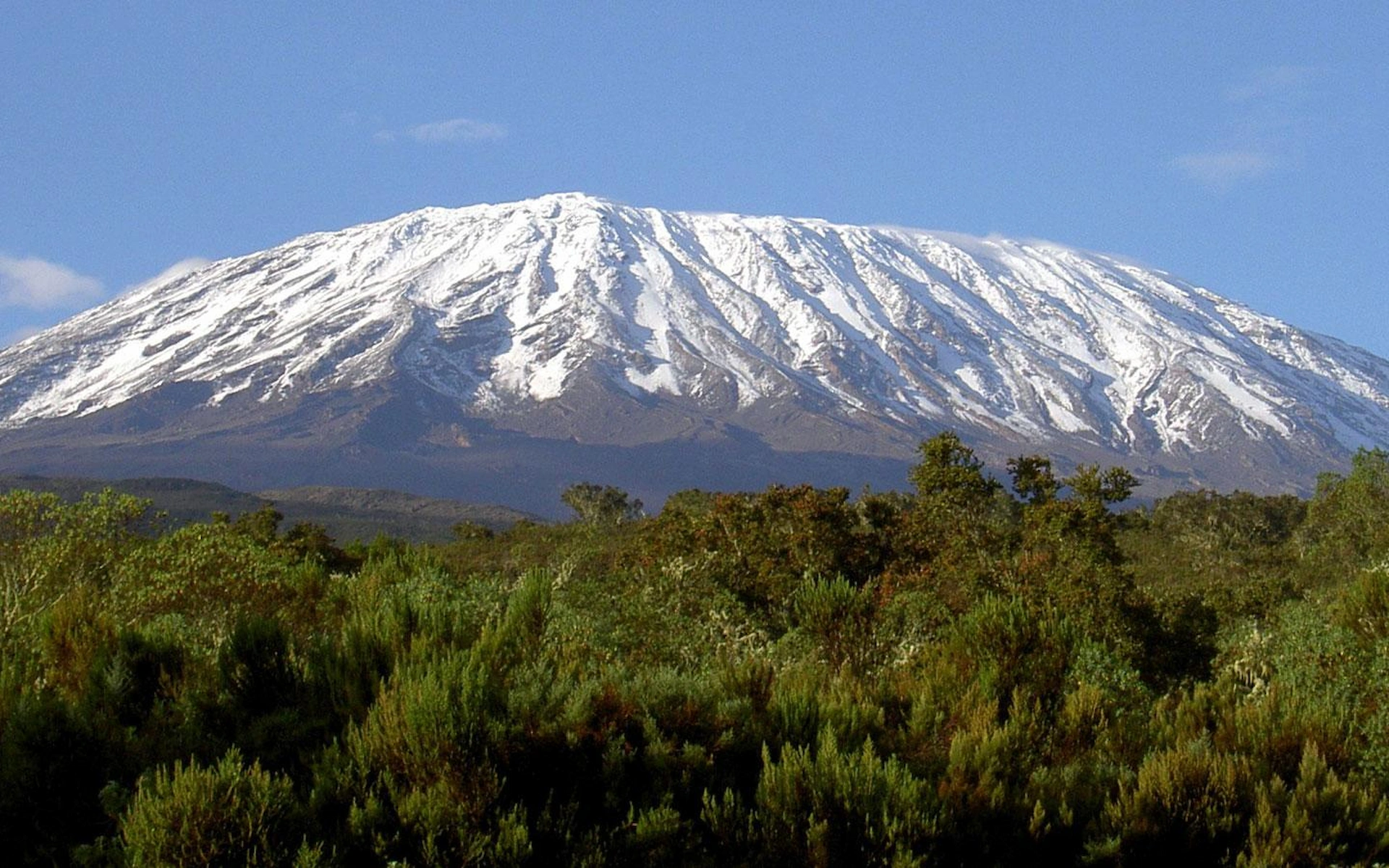

Ready for an Adventure?
Book your dream safari tour today and experience the wild like never before.
View Tours