


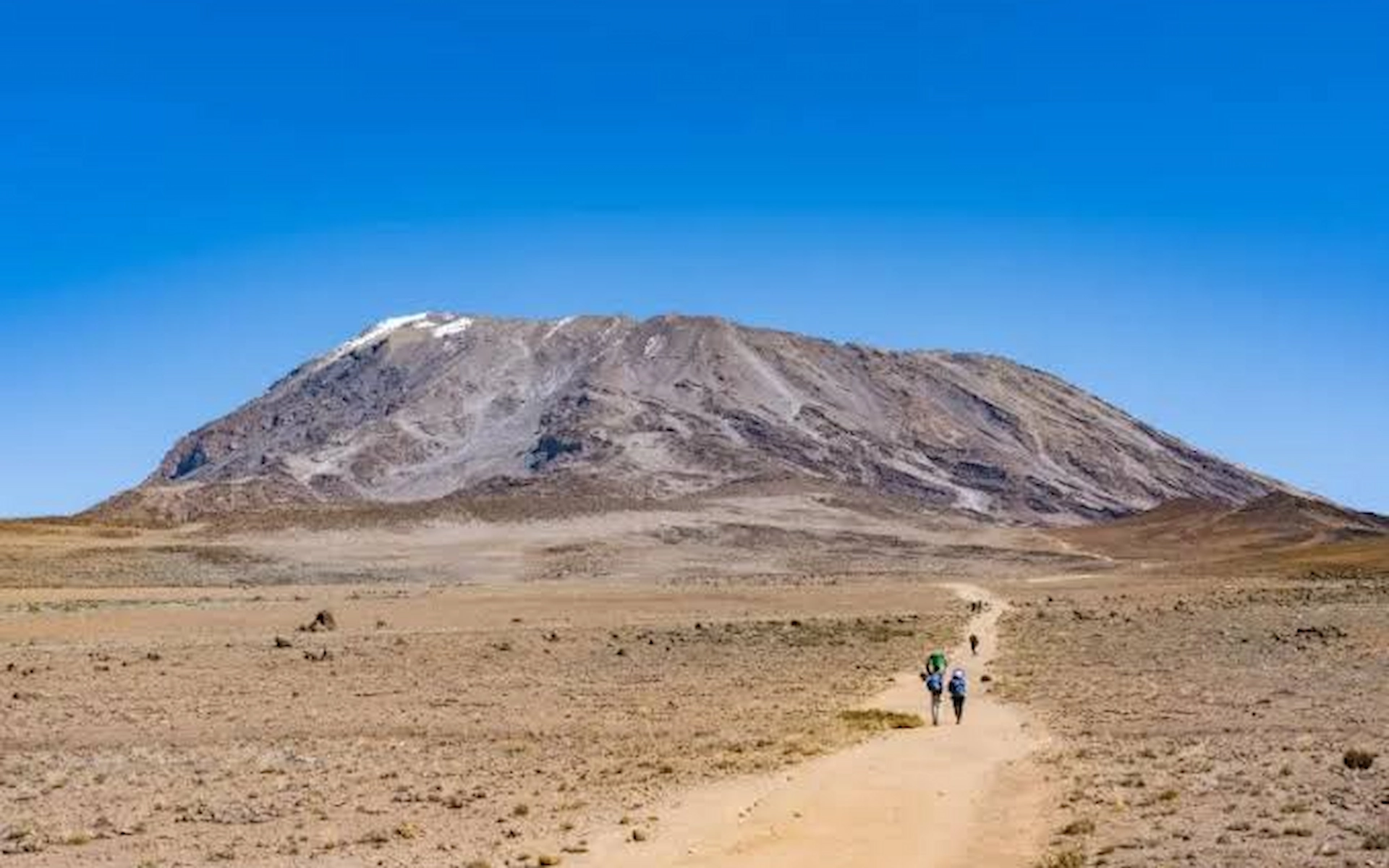
Lemosho Route Kilimanjaro: The Complete Guide to Itinerary, Difficulty and Success Rates
September 28, 2026
Lemosho Route Kilimanjaro: The Complete Guide to Itinerary, Difficulty and Success Rates
If you've been scrolling through photos of Kilimanjaro at sunrise and wondering which route gives you the best shot at standing on top, you're in the right place. Mention Kilimanjaro to anyone who's done it, and one name keeps coming up: Lemosho. It's the route people describe as the prettiest on the mountain — and also one of the most successful. In this guide, we'll cover what to expect, how hard it is, and how to book with confidence.
What Makes Lemosho Different
Lemosho starts on Kilimanjaro's quiet western side at Londorossi Gate. It's one of the newer routes, created to spread climbers across the mountain and give people more time to adjust to altitude. Here's what sets it apart:
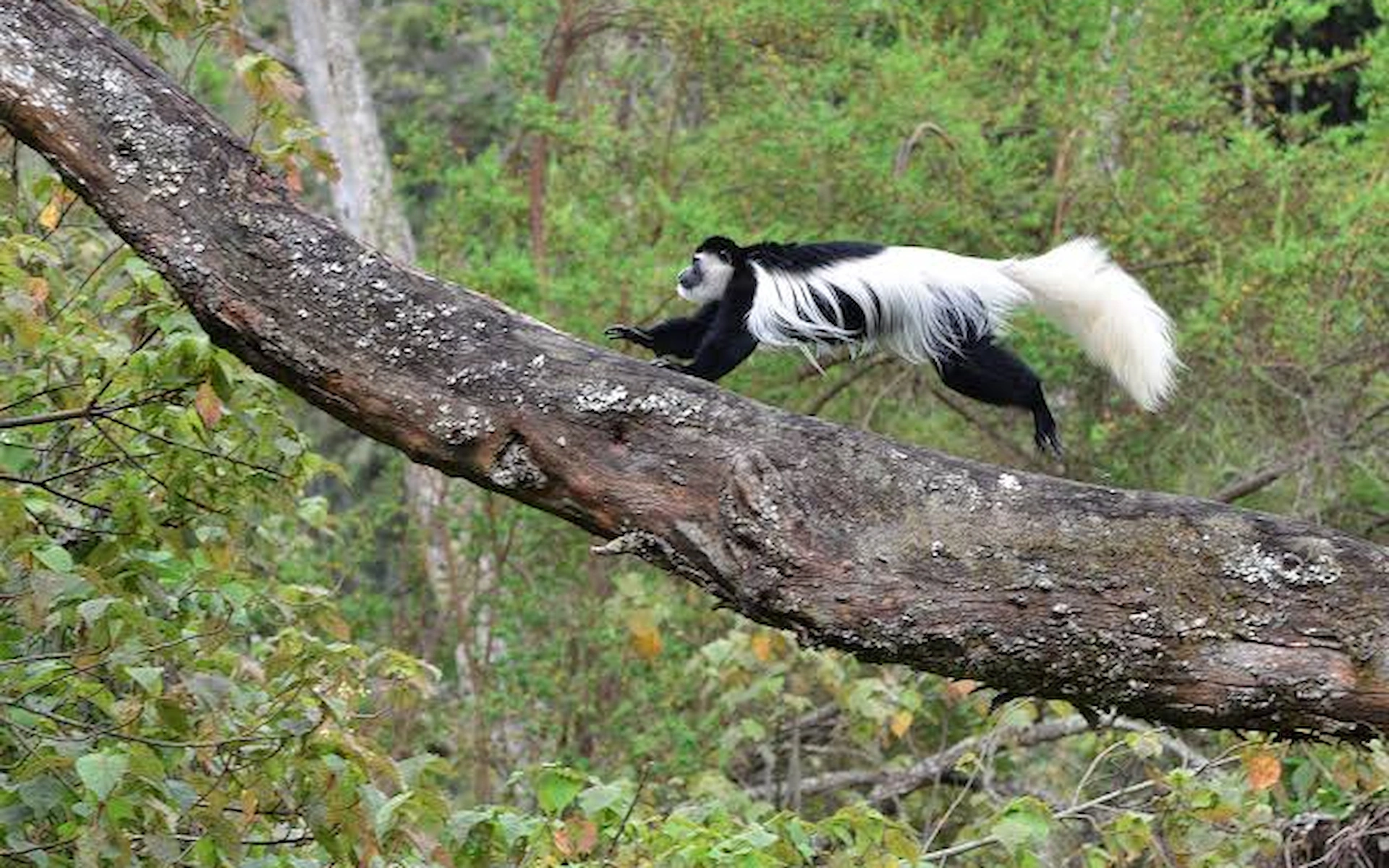
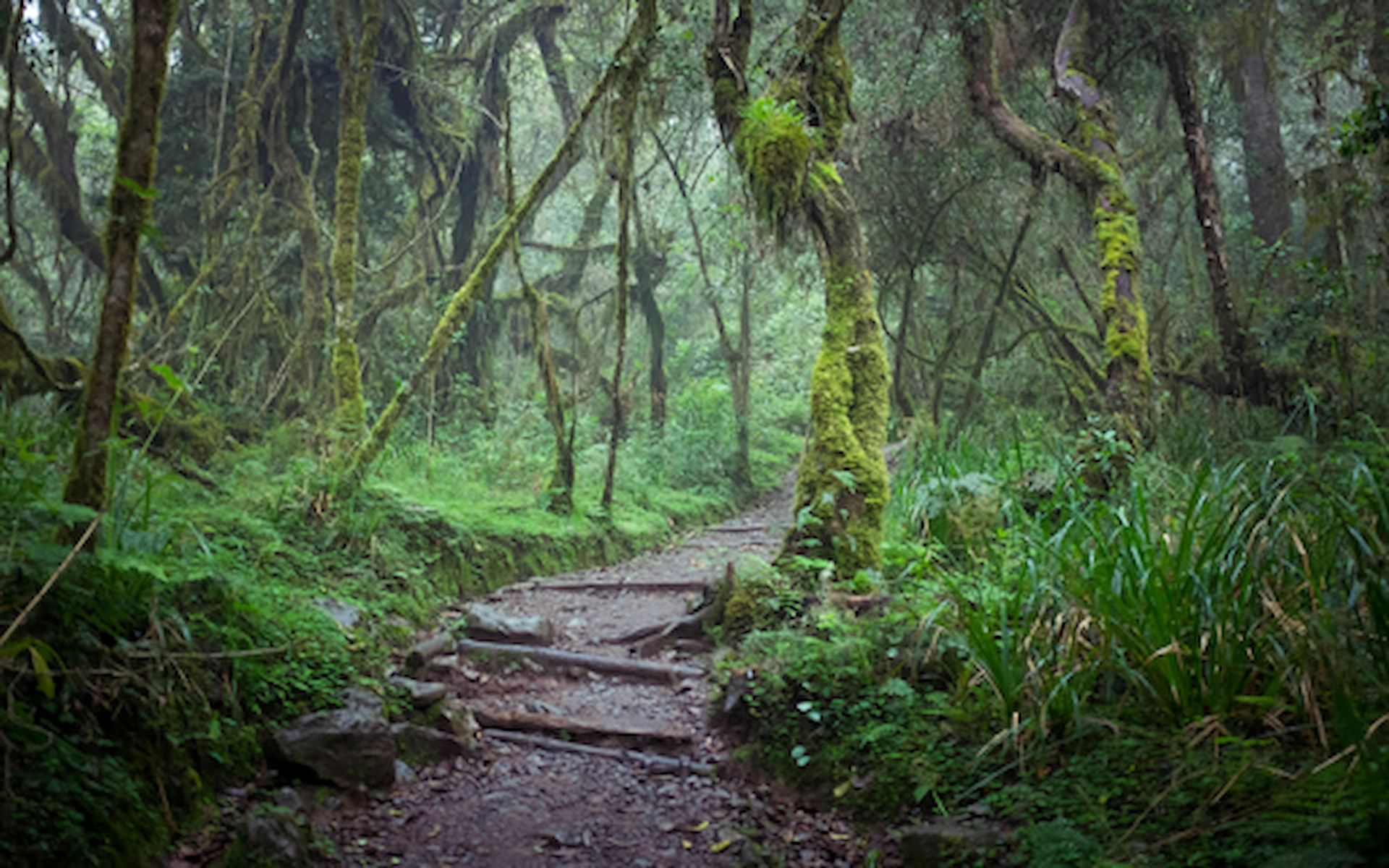
- You walk through rainforest where black-and-white colobus monkeys and blue monkeys are often spotted.
- You cross the wide Shira Plateau, an ancient volcanic caldera, on gentle, open ground.
- The first few days stay quiet since the route only merges with the busier Machame route near Lava Tower.
- You pass through almost every ecological zone on the mountain — rainforest, moorland, alpine desert, and the barren summit zone.
- The extended itinerary gives your body time to adapt, which is the main reason summit success rates run around 90%
Unlike shorter, steeper routes, Lemosho's length is its advantage. More days on the mountain means better acclimatization before the altitude really starts to bite — and that early quiet matters more than most people expect once they're several days into the trek.
Quick Facts
Fact | DETAILS |
|---|---|
Starts at | Londorossi Gate (west side) |
Ends at | Mweka Gate |
Distance | ~ 70 km (43 miles) |
Duration | 8 days on the mountain |
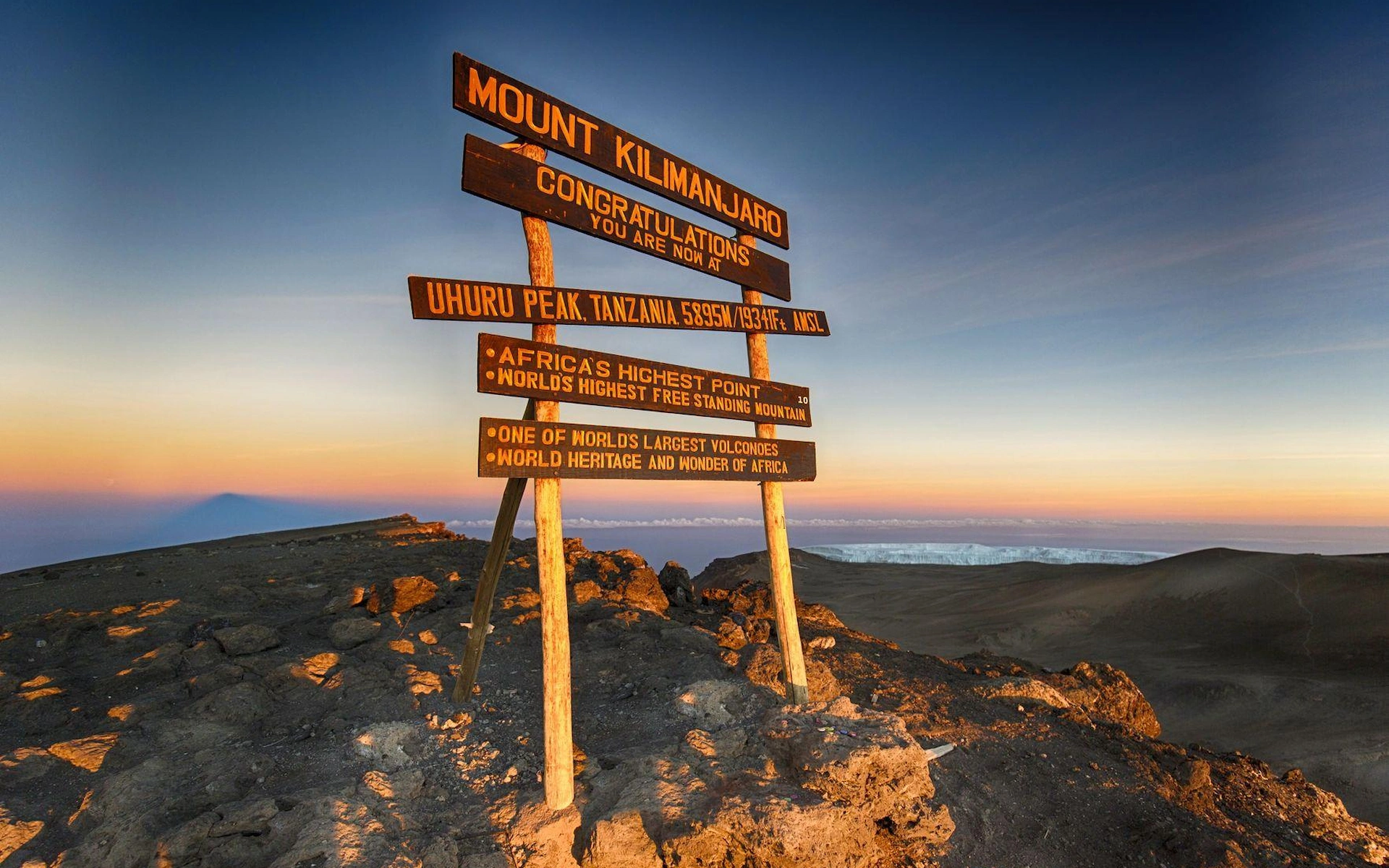
Summit | Uhuru Peak, 5,895 m (19,341 ft) |
Difficulty | Challenging but non-technical (no ropes or ice axes needed) |
Success rate | ~ 90% on 8 days |
Sleeping | Tents at designated mountain campsites |
Best months | January to March, June to October |
Day-by-day: the 8-day Lemosho itinerary
Times and camp altitudes vary slightly between operators. This is a typical version.
Day 1: Londorossi Gate to Mti Mkubwa (Big Tree) Camp.
After park registration, you'll hike through rainforest for 3–4 hours to camp at about 2,800 m. It's an easy first day — use it to enjoy the scenery and find your rhythm.
Day 2: Shira 1 Camp.
You'll climb out of the forest into moorland and cross the Shira Ridge. Camp sits at about 3,500 m after 4–7 hours of walking.
Day 3: Shira 2 Camp.
This is a shorter day across the plateau to about 3,800 m. Many groups add a side hike to Shira Cathedral for panoramic views.
Day 4: Lava Tower to Barranco Camp.
This is your key acclimatization day. You'll climb to about 4,600 m at Lava Tower, then drop to Barranco Valley at roughly 3,900 m. That "climb high, sleep low" approach is what trains your body for summit night. Expect 6–8 hours on trail.
Day 5: Barranco Wall to Karanga Camp.
The wall looks intimidating but is actually a fun scramble that takes about 1–2 hours. Afterward, you'll cross ridges and valleys to Karanga Camp at about 4,000 m.
Day 6: Karanga to Barafu Camp.
A short walk up to about 4,600 m. Eat early and try to rest — your summit push starts around midnight.
Day 7: Summit day.
You'll climb through the dark to Stella Point on the crater rim (about 5,750 m), then continue to Uhuru Peak at 5,895 m, ideally arriving as the sun rises. Afterward, you descend to Mweka Camp at about 3,100 m. This is a very long day — often 12–17 hours total.
Day 8: Mweka Gate.
A 3–5 hour walk down through the forest, then a transfer back to your hotel. That hot shower has never felt so good.
How hard is the Lemosho route?
Here's the thing: Lemosho is longer and has more ups and downs than shorter routes, so it's tougher on paper. But it's also one of the easiest routes to succeed on, precisely because that slow pace helps your body adapt.
You'll need a decent level of fitness, but no mountaineering skills. The real challenges are the altitude, the cold on summit night, and the sheer length of that final day. That said, many first-time trekkers succeed on Lemosho.
Training tip: Start preparing a few months ahead with long hikes, stair climbing, and cardio — ideally in the boots you'll wear on the mountain.
You'll hear one Swahili phrase constantly: "Pole pole" — slowly, slowly. Follow it, and you'll do better than the person who rushes ahead on day one.
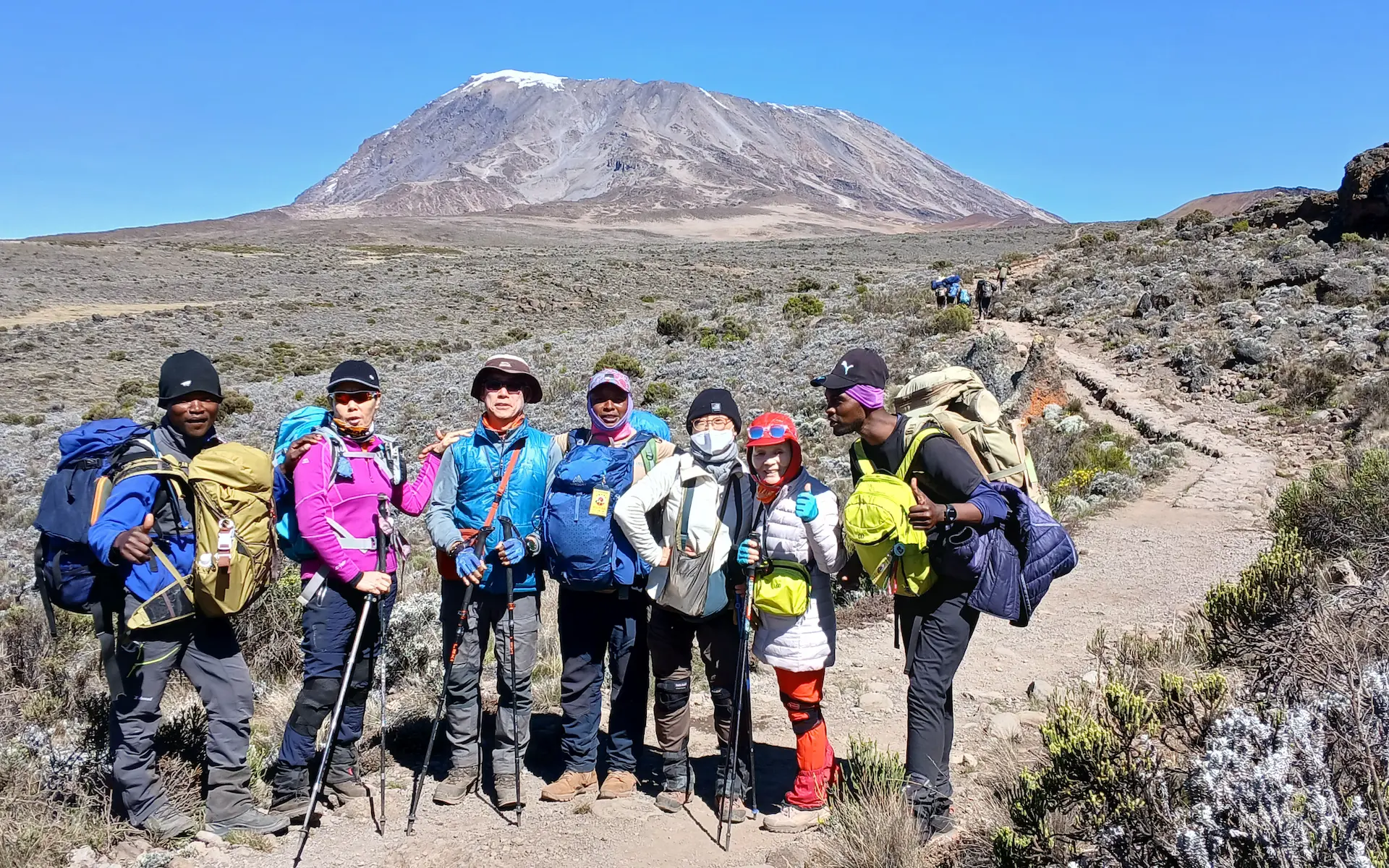
7 or 8 days — which one's right for you?
Both options follow the same route, so the real question isn't about the scenery — it's how much time you want to give your body to adjust to altitude.
7 days works well if:
-You've got some hiking experience, even if you've never been above 4,000 metres
-You're comfortable with a slightly quicker pace
-You still want far more acclimatization time than shorter routes offer
8 days is better if:
-You're a first-time high-altitude trekker
-You haven't hiked much lately
-You'd rather not feel rushed on what might be a once-in-a-lifetime trip
- The 8-day version doesn't add distance — it just spreads the early part of the trek out, giving you an extra day to ease into the rainforest before the harder climbing starts.
Our take: If you're not sure, go with 8 days.
Best time to climb via Lemosho
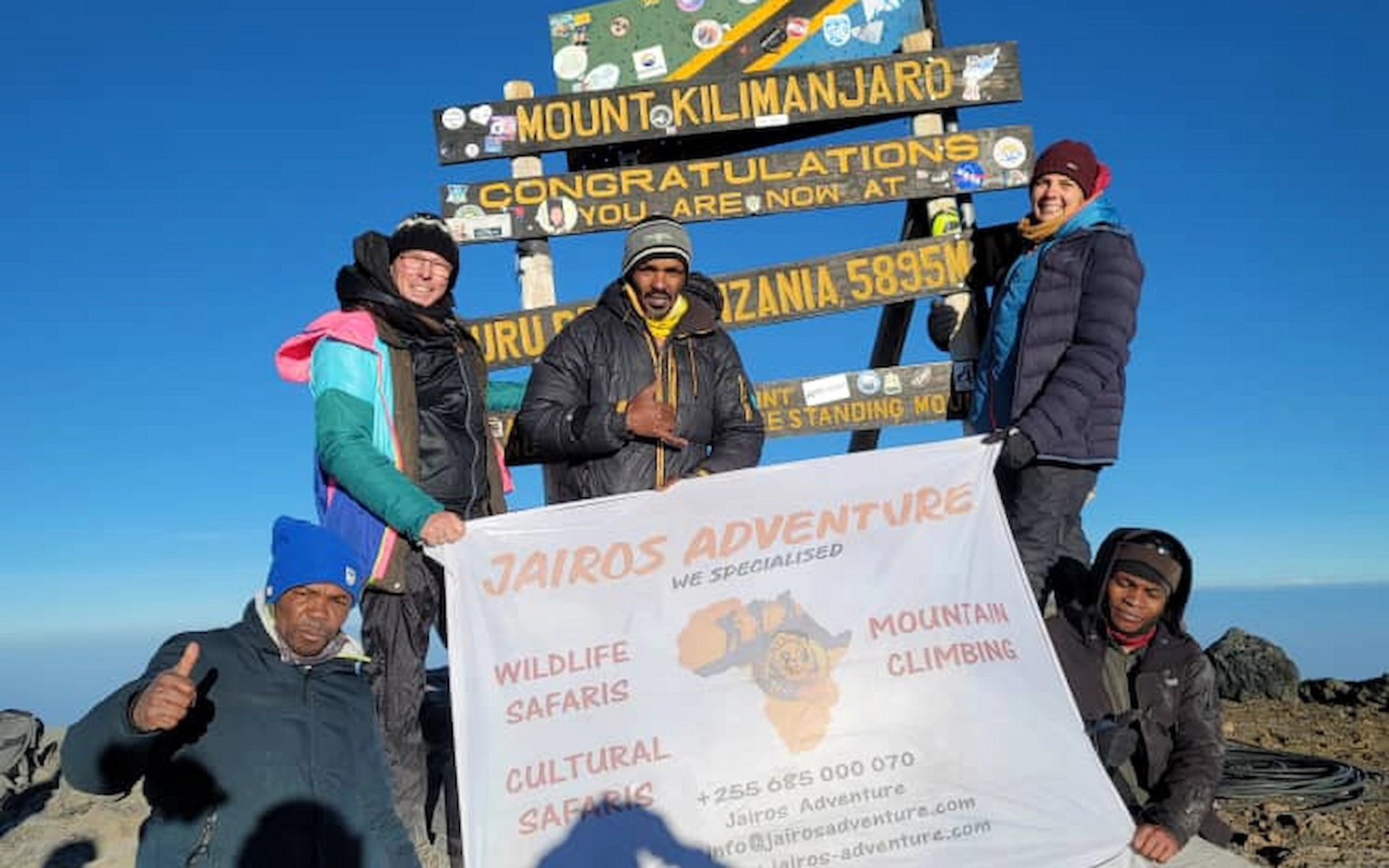
Aim for the dry seasons: roughly late June to October, and January to early March. March to May is the main rainy season, and November brings shorter rains. Kilimanjaro makes its own weather, so a storm can arrive in any month. Pack for everything regardless of the date.
Lemosho vs Machame: which should you choose?
The two routes share their final stretch, so the difference is mostly the first half. Machame is shorter, but busier, with less time to adjust. Lemosho takes a couple of extra days, but it's quieter and has a stronger track record for summiting. If you have the time, most experienced operators will point you to Lemosho. Think of it this way: Machame gets you there faster and Lemosho gets you there more comfortably and with better odds.
So, should you choose Lemosho?
Lemosho isn't the shortest way up Kilimanjaro, but it's the one people talk about most fondly. The scenery, the quiet trails and the gradual climb give you the best chance of enjoying the journey and reaching Uhuru Peak.
Booking Your Climb
Booking a Kilimanjaro climb is simpler than it looks. Here's how it usually goes:
Choose your itinerary — Decide between 7 or 8 days and pick your preferred dates. The dry months (January–March and June–October) fill up early, so plan ahead if you can.
Group or private — Group departures mean sharing the trail with other trekkers (lower cost, more camaraderie). Private climbs let you set your own pace with just your own group.
Get clarity on what's included — Ask for a written breakdown: permits, guides, porters, meals, equipment, transfers. A good operator will provide this upfront.
Secure your spot — Once everything's clear, a deposit (usually 30–50%) locks in your dates. After that, focus on preparation: visa, travel insurance, vaccinations, and training.
Pro tip: Arrive in Tanzania 1–2 days before your climb starts. Jet lag and delayed luggage are much easier to handle when they're not also your first morning on the mountain.
How to Book Your Kilimanjaro Climb
Simple steps to secure your spot on the mountain
1
Choose your trip and departure date
2
Confirm your spot with a small 10% deposit
3
Receive your confirmation and travel details
4
Meet your group in Moshi/Arusha and start your trek
Ready to pick your dates? Get in touch and we'll help you plan every step, from the right itinerary to the smallest details. Request a free quote to get started.
FAQ
How long does the Lemosho route take?
Between 6 and 8 days on the mountain. Eight days is the best choice for most people.
Where does the Lemosho route start?
Yes, if you're reasonably fit and choose 7 or 8 days. You don't need technical skills.
Is Lemosho good for beginners?
Yes, if you're reasonably fit and choose 7 or 8 days. You don't need technical skills.
Do I need a guide?
Yes. Independent climbing isn't allowed, and every climber must be accompanied by a licensed guide.
Can I see wildlife?
Mostly in the forest section. Monkeys and birds are common, and elephants occasionally leave signs.
What should I pack?
Layers are essential, since you'll go from warm rainforest to freezing summit conditions. You'll need :
Warm sleeping bag
Waterproof outer layers
Broken-in boots
Headlamp with spare batteries
Waterproof hiking boots
Warm sleeping bag
Waterproof outer layers
Broken-in boots
Headlamp with spare batteries
Waterproof hiking boots
- Warm jacket
- Thermal layers
- Waterproof jacket and trousers
- Hiking trousers
- Warm hat and gloves
- Headlamp
- Sunglasses
- Sunscreen
- Water bottles/hydration system
- Trekking poles
- Sleeping bag
- Personal medication
- Backpack/daypack
When is the best time to climb?
The dry seasons — late June to October and January to early March — are your best bet for clear skies and stable conditions. Avoid March to May (main rains) if you can, and be prepared for anything in November (shorter rains). Keep in mind that Kilimanjaro creates its own weather, so storms are possible year-round.
Search Blog
Recent Articles
Machame Route Kilimanjaro: 7-Day Itinerary & Guide
Oct 13, 2026

Ready for an Adventure?
Book your dream safari tour today and experience the wild like never before.
View Tours