



How Long Is the Kilimanjaro Climb? A Route-by-Route Duration Guide
How Long is the Kilimanjaro Safari? Your Complete Duration Guide
There's no single answer to "how long does Kilimanjaro take." It ranges anywhere from 5 to 9 days depending on the route, and that choice affects far more than just your schedule. Duration is honestly the single biggest factor in whether you reach the summit or not. Here's what the numbers actually show, route by route.
The Short Answer
Most reputable operators recommend 7 to 9 days on the mountain. Shorter 5 to 6-day itineraries exist, cost less, and get marketed heavily, but they carry noticeably lower summit success rates because your body just doesn't get enough time to adjust to the altitude.
Why Duration Matters More Than Fitness
Altitude sickness, not physical fitness, is the main reason climbers turn back before reaching Uhuru Peak. The mountain's routes are built around a "climb high, sleep low" pattern: hiking up to a higher elevation during the day, then coming back down to sleep at a lower one. Longer itineraries simply fit in more of these cycles, which is why extra days translate so directly into better odds no matter how fit you are going in.
Route by Route: Days and Realistic Success Rates
Route | Typical duration | success rate | Why |
|---|---|---|---|
Marangu | Row 1, Cell 2 | 27–65% | Fastest ascent profile; only route with hut accommodation, but poor acclimatization at 5 days |
Umbwe | 5–6 days | Row 2, Cell 3 | Steepest, most direct route, a climbers' route not recommended for first-timers |
Machame | 6–7 days | 70–90% | Popular "Whiskey Route," strong scenery, solid acclimatization on the 7-day version |
Rongai | 6–7 days | 70–85% | Gradual northern approach, fewer crowds, good for dry-season climbers |
Lemosho | 7–8 days | 85–90% | Excellent acclimatization profile, generally considered the top choice for first-time climbers |
Northern Circuit | 8–9 days | 90–98% | Longest route, circles the mountain, best overall acclimatization of any option |
Row 3, Cell 1 | Row 3, Cell 2 | Row 3, Cell 3 | Row 3, Cell 4 |
The pattern across every route is basically the same: add a day, and your odds go up substantially. Going from a 5-day to an 8-day itinerary can nearly double your chances of actually standing on Uhuru Peak.
What Each Extra Day Actually Buys You
More altitude exposure cycles, meaning repeated trips to higher elevation before you sleep there, which is really what trains your body for the summit night.
A built-in rest or acclimatization day, often at a strategic point like Lava Tower (4,640m) on Machame, before descending to camp.
A calmer overall pace, easing the physical strain heading into the demanding overnight summit push.
More room to adjust if weather or symptoms cause a delay. A 5-day itinerary leaves almost no buffer; an 8-day one gives you options.
A Day-by-Day Look: 7-Day Machame (a common middle-ground choice)
Day | Activity |
|---|---|
1 | Machame Gate to Machame Camp, through the rainforest |
2 | Machame Camp to Shira Camp, into the moorland |
3 | Shira Camp to Barranco Camp, via a Lava Tower acclimatization hike |
4 | Barranco Camp to Karanga Camp, over the Barranco Wall |
5 | Karanga Camp to Barafu Camp, the final approach to base camp |
6 | Midnight summit push to Uhuru Peak, then descend to Mweka Camp |
7 | Descend to Mweka Gate |
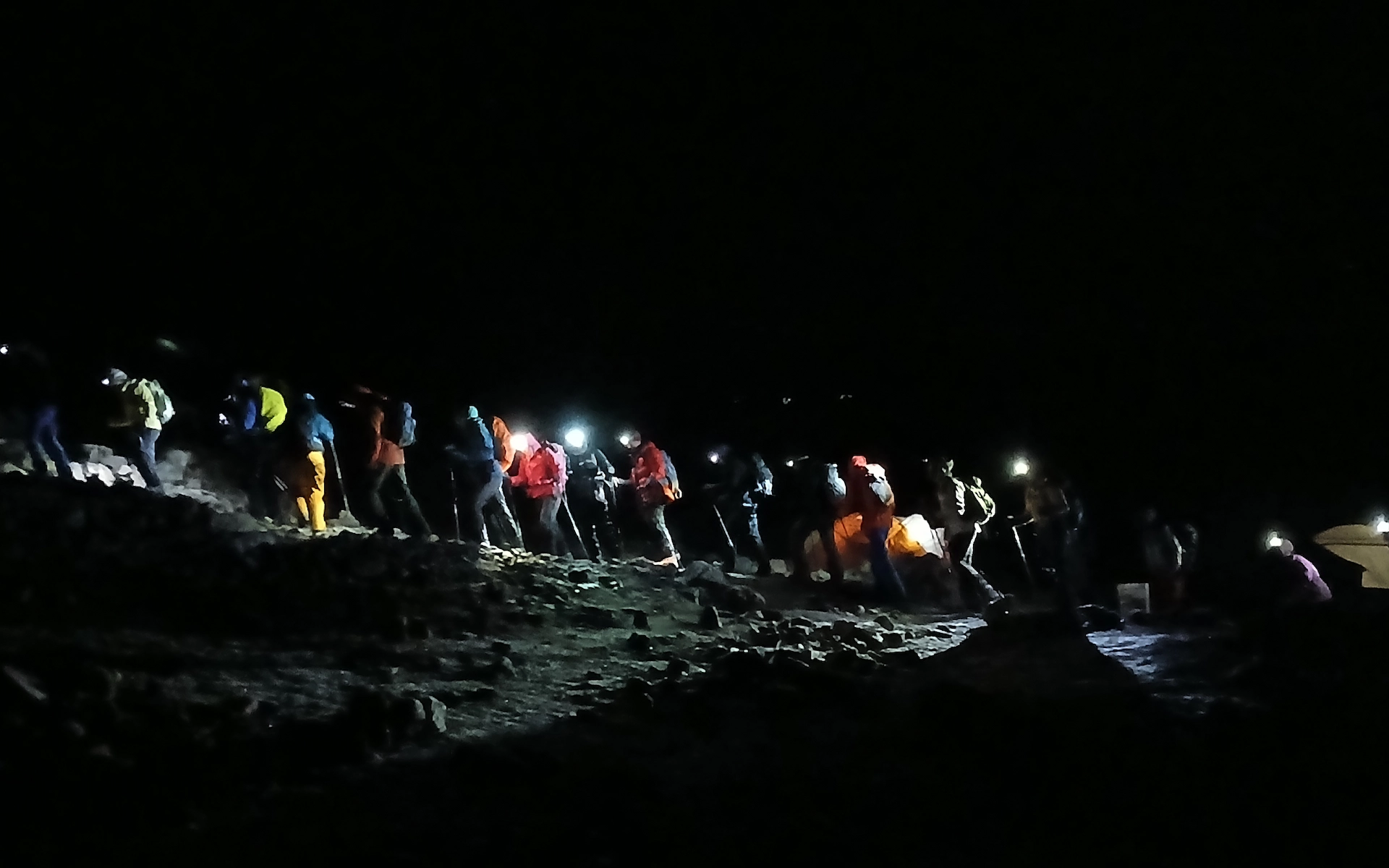
Other routes follow roughly the same shape: gradual ascent, a rest or acclimatization stretch mid-trek, a midnight summit attempt, then a quicker descent. It's just spread across more or fewer days depending on which route you choose.
Picking the Right Length for You
If you... | Consider |
|---|---|
Have 5–6 days and want hut accommodation | 6-day Marangu (not the 5-day version, the extra day matters a lot) |
Want strong odds without the longest possible trip | 7-day Machame or 7-day Rongai |
Are a first-time high-altitude climber | 7–8 day Lemosho |
Want the highest possible success rate and don't mind extra days and cost | 8–9 day Northern Circuit |
Are climbing purely for the challenge, are already acclimatized, and accept lower odds | Umbwe (not recommended for most travelers) |
Should You Combine It with a Safari?
Most climbers already flying into Kilimanjaro International Airport end up pairing the trek with a few days on safari afterward, partly for the experience and partly because a couple of easier days at lower altitude genuinely help your body recover post-summit. A common structure is 7 to 9 days on the mountain followed by 3 to 5 days in the Serengeti, Ngorongoro, or Tarangire, using the same Arusha base for both legs of the trip.
Quick Answers
What's the minimum realistic number of days to climb Kilimanjaro? Technically 5, but most experienced operators won't recommend it. Seven days is the practical minimum for a reasonable success rate
Which route has the best summit success rate? The Northern Circuit, at 8 to 9 days, generally shows the highest rates of any route thanks to its extended acclimatization profile.
Is a longer route always worth the extra cost? For most climbers, yes. The jump in success rate per extra day is large enough that operators widely consider it the best money spent on the whole trip.
Can I add a safari after my climb? Yes, it's one of the most common trip structures out of Arusha, and the lower altitude helps your body recover after the summit.
Choosing the right route and duration is the single biggest decision in planning a Kilimanjaro climb. Jairos Adventure runs 6 to 9 day treks across all the major routes, matched to your fitness, timeline, and goals. Get in touch for a free, honest recommendation.
Search Blog
Recent Articles
Zanzibar Travel Guide 2026: The Complete Guide
Sep 01, 2026
What to Wear on a Tanzania Safari
Aug 30, 2026

Ready for an Adventure?
Book your dream safari tour today and experience the wild like never before.
View Tours