



How Hard Is It to Climb Kilimanjaro? An Honest Guide (2026)
How Hard Is It to Climb Kilimanjaro? An Honest Guide (2026)
Kilimanjaro is hard but achievable. It needs no climbing skills, but altitude, a 12 to 15 hour summit day and the cold make it a serious challenge. Most healthy, trained people can reach the top, especially on itineraries of 7 days or more.
Jairos Adventure guides Kilimanjaro climbs from Arusha on all the main routes, so this guide comes from what climbers actually face on the mountain. Read on for what makes it hard, success rates, route difficulty, training and safety.
Kilimanjaro difficulty at a glance
- Summit: Uhuru Peak, 5,895 m / 19,341 ft
- Technical skill needed: none, it is a trek
- Hardest parts: altitude and summit night
- Typical day: about 4 to 7 hours of slow walking
- Summit day: usually 12 to 15 hours in total
- Summit night temperature: well below freezing, often around -10°C to -20°C, colder with wind
- Oxygen at the top: roughly half of sea level
- Fitness benchmark: hiking 10 km in a day without trouble
- Best way to improve your odds: more days for acclimatization
- Required: a licensed guide; independent climbing is not permitted
Is Kilimanjaro a technical climb?
No. On the standard routes you walk on trails the whole way, with no ropes, crampons or mountaineering skills. On summit night the path is steep and rocky, and trekking poles help. What makes Kilimanjaro serious is the height, not the technique.
What makes Kilimanjaro hard?
Altitude
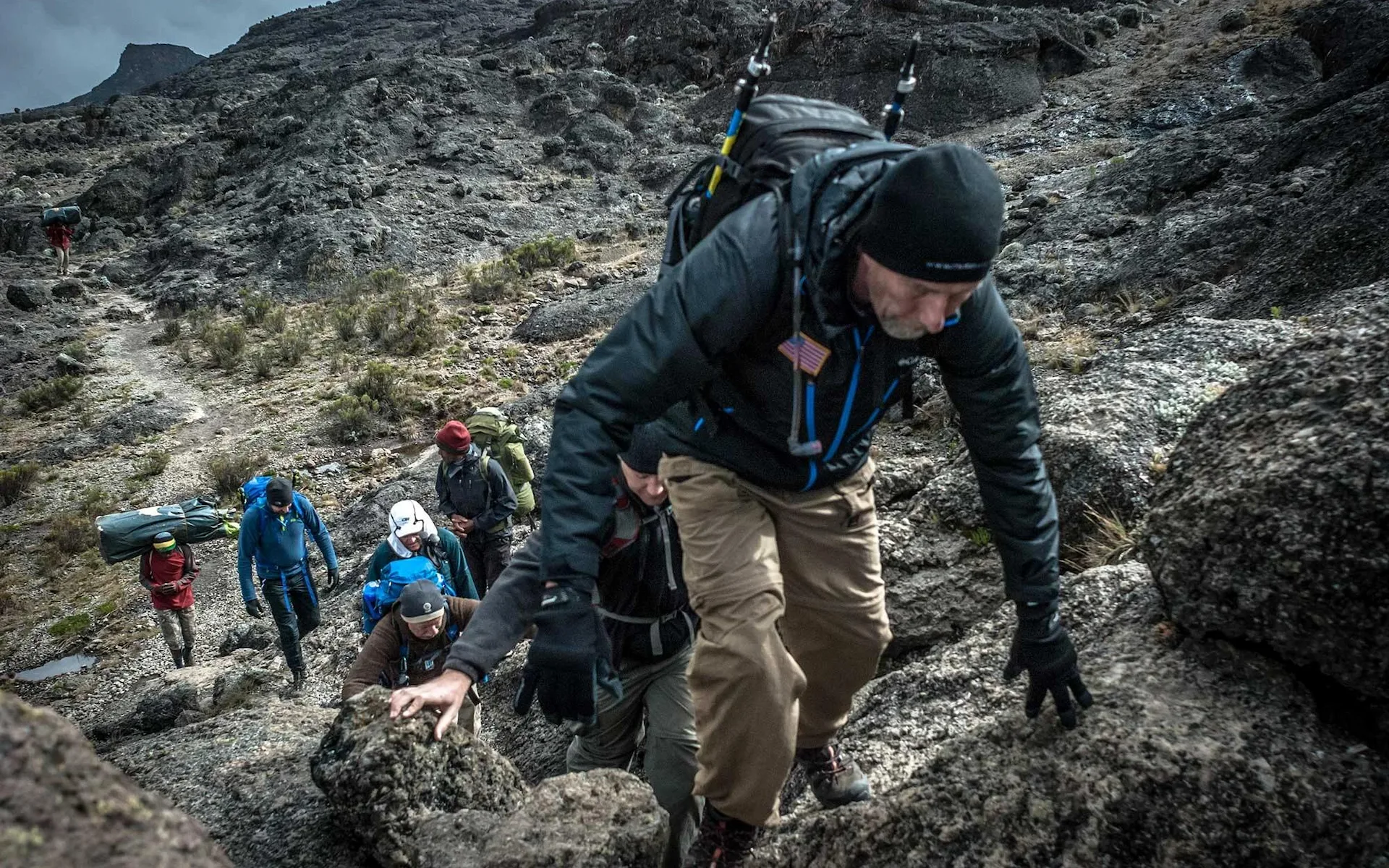
Altitude is the main reason people don’t reach the top. It affects fit and unfit people alike, and fitness does not protect you from it. Headache, nausea, dizziness, poor sleep and loss of appetite are common warning signs. The best defence is a slow pace and more days.
Summit night
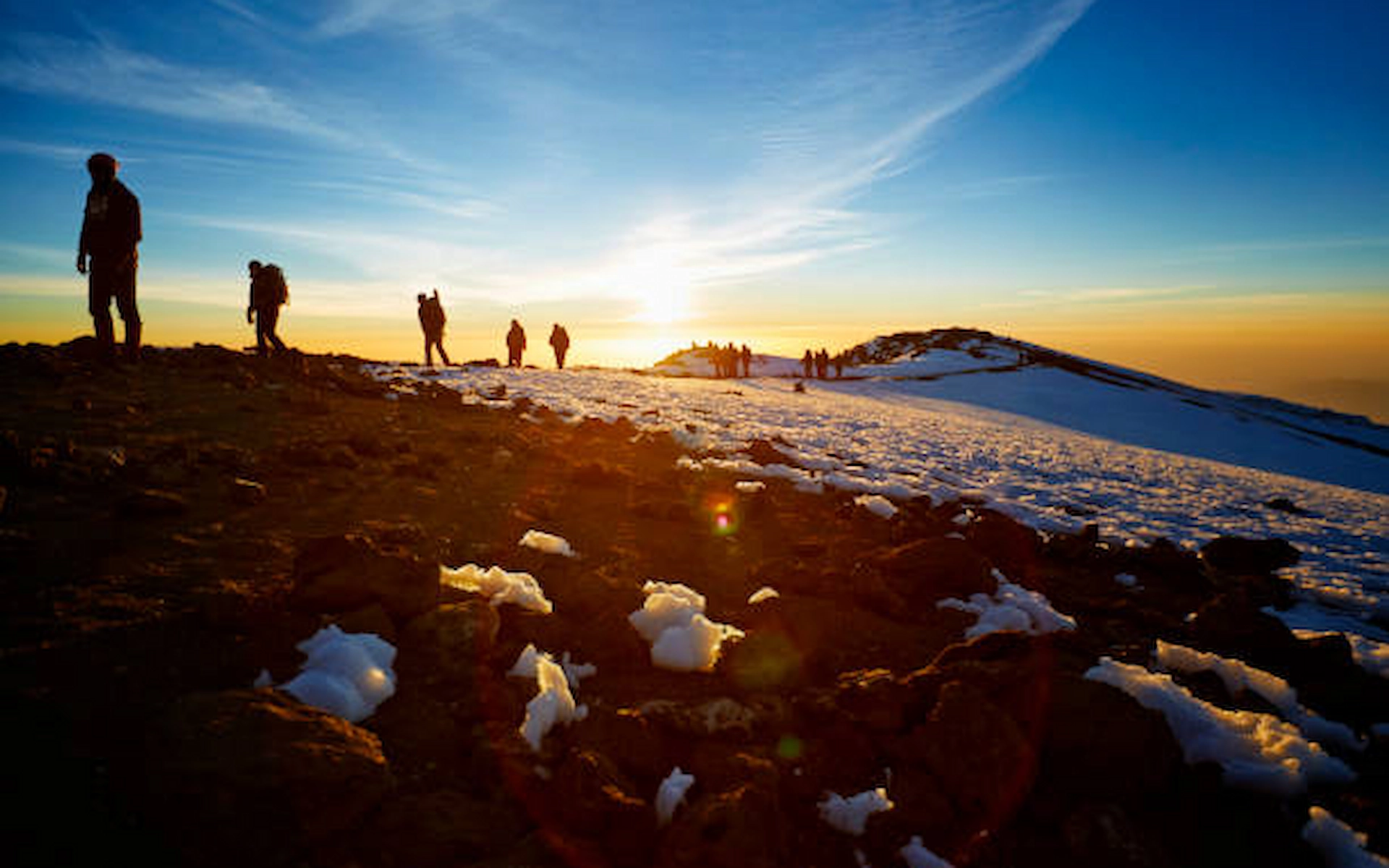
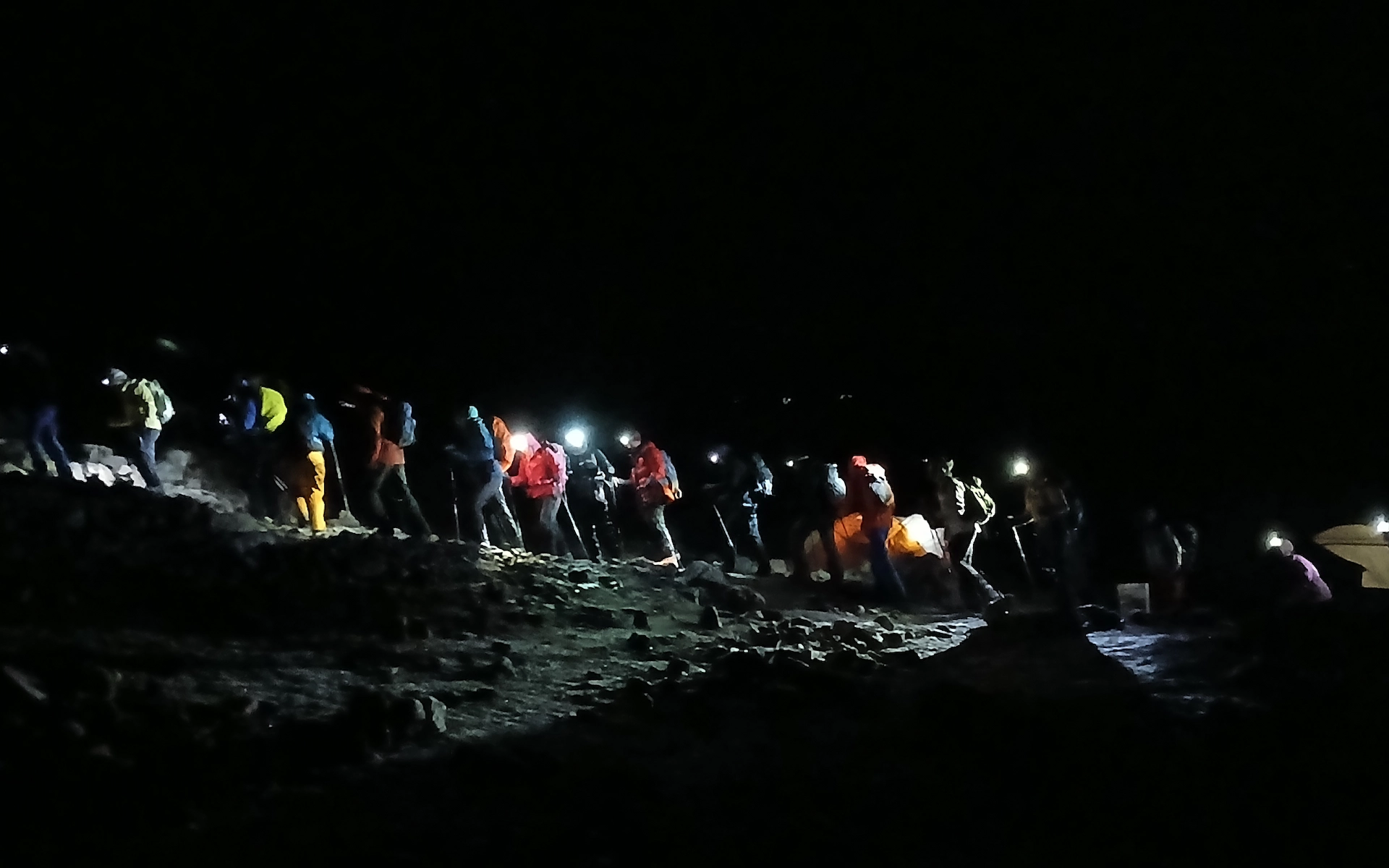
You usually start between 11pm and midnight and walk for about 6 to 8 hours in the dark and cold to reach the crater rim and Uhuru Peak. Then you descend, and the whole day often adds up to 12 to 15 hours. Many climbers also find the descent exhausting.
Multi-day fatigue
There are no full rest days on standard itineraries, so tiredness builds over 6 to 9 days. Poor sleep and a smaller appetite at altitude make it worse.
Cold and weather
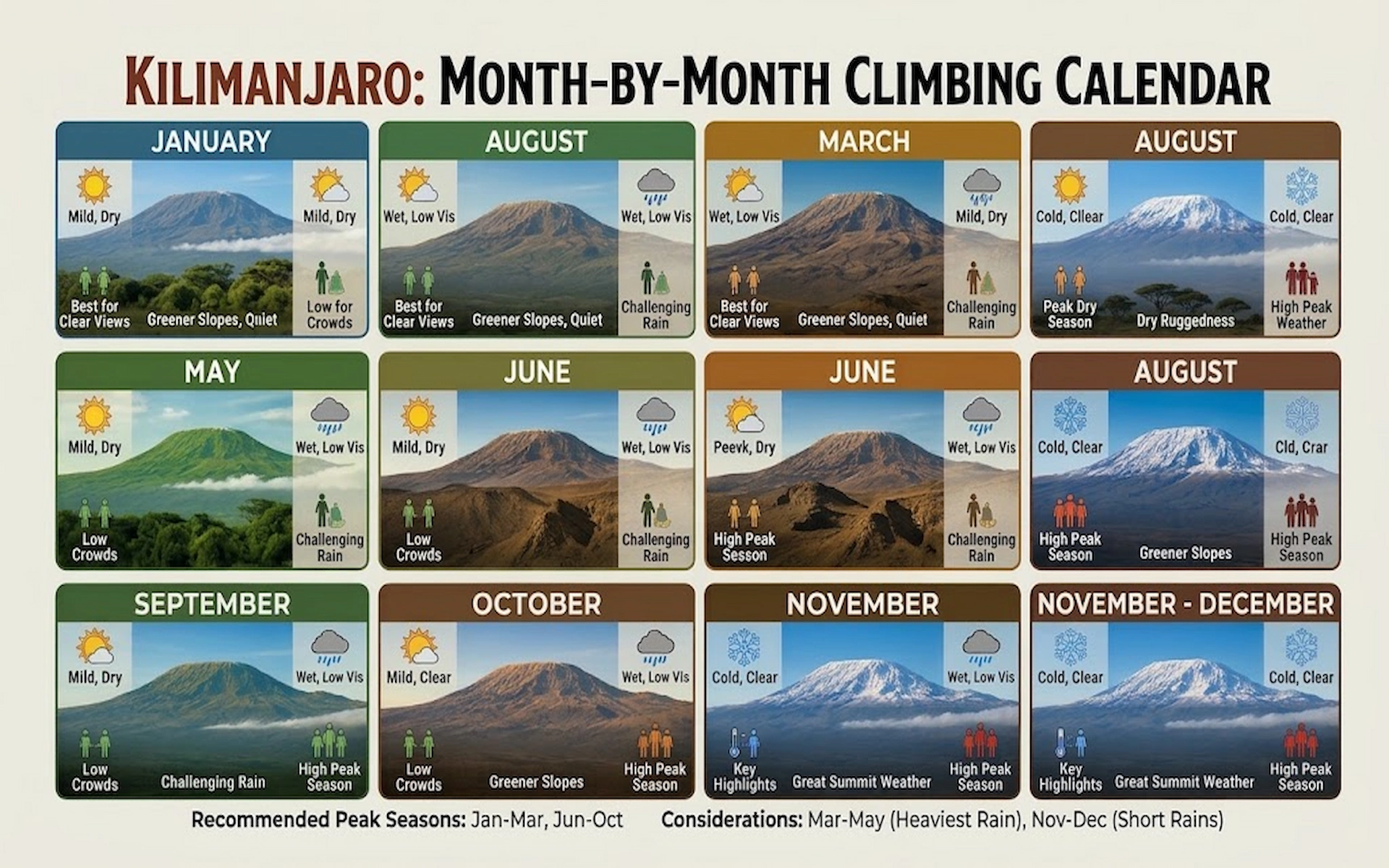
You travel from warm rainforest to an arctic summit zone. Wind, rain and wet clothing make the cold harder to handle, so good layers and waterproofs matter in every season. See our Best Time to Climb Kilimanjaro: A Month by Month Guide (2026)
Camp life
You sleep in tents on every route except Marangu, which uses dormitory huts. There are no showers, toilets are basic and many climbers sleep badly for the first nights. It helps to practise sleeping in a tent before you go.
The mental side
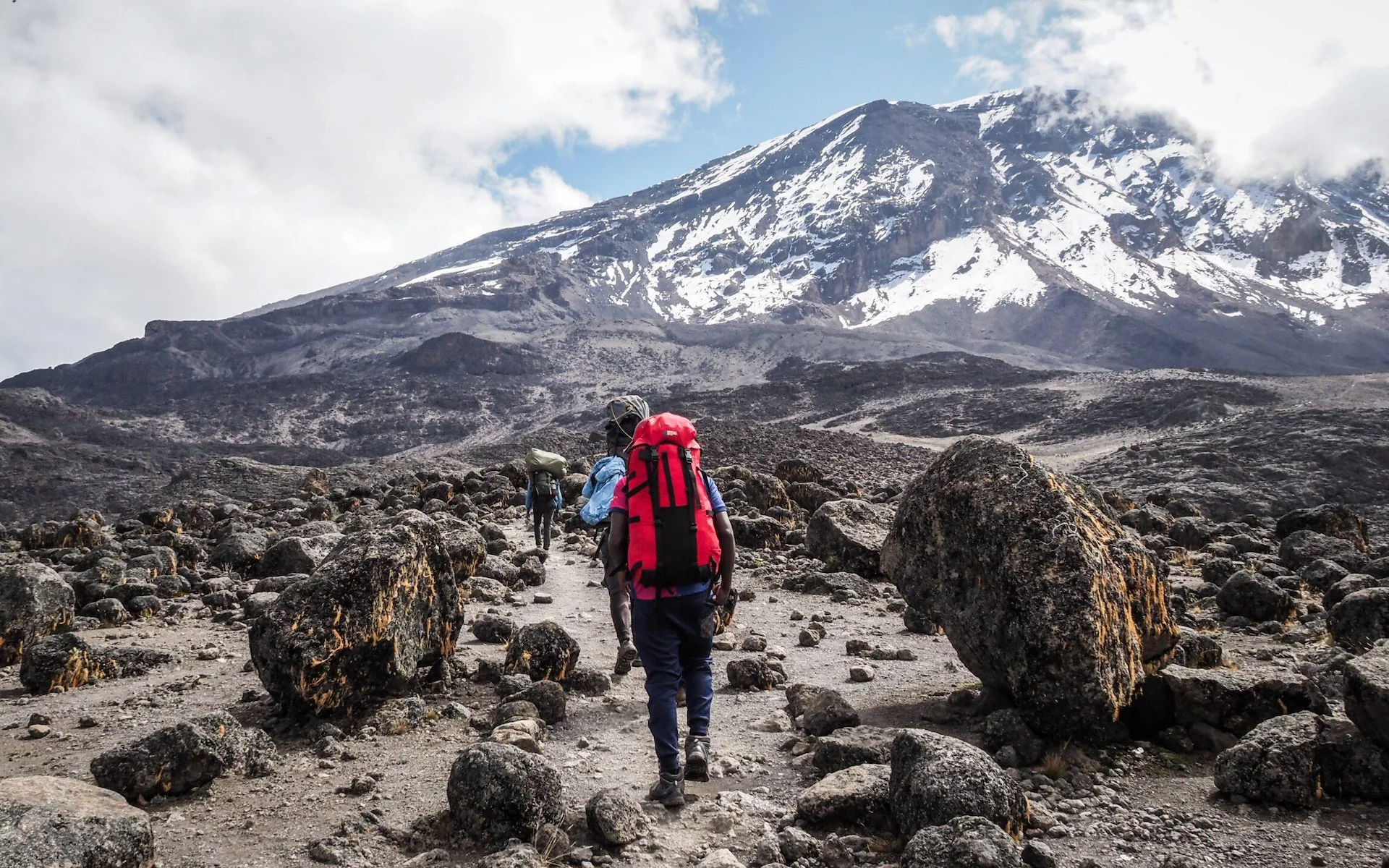
Cold, darkness and thin air test willpower on summit night. A positive attitude and a good guide make a real difference.
Summit night, hour by hour
Time | What happens |
|---|---|
11pm to midnight | Wake, tea and snack, put on all your layers |
Midnight | Start walking by headlamp, very slowly |
About 5 to 6am | Reach the crater rim (Stella Point or Gilman’s Point) around sunrise |
About 6 to 7am | Uhuru Peak, photos, a few minutes at the top |
Morning | Descend to high camp for rest and food |
Afternoon | Continue down to a lower camp |
Success rate: how many people reach the top?
Kilimanjaro National Park does not publish an official success rate. Operator estimates commonly put the average around 65% across all routes, though sources vary. The average hides big differences.
- Longer itineraries (7 days or more) are often quoted at 85% or higher.
- Five-day itineraries are often quoted much lower, around 50%.
- The main reason people turn back is altitude, not fitness.
How hard is each route?
Route | Days | Difficulty | Why |
|---|---|---|---|
Northern Circuit | 9 | Easier on the body | Longest route, best acclimatization, quietest trails |
7–8 | Moderate | Gradual start, good acclimatization, the 8-day option is strongest | |
6–7 | Moderate to hard | Steeper days, the 7-day option suits first-timers | |
Rongai | 6–7 | Moderate | Gentler northern approach, less rain |
Marangu | 5–6 | Hard for its length | Shortest standard route, less time to adjust |
Umbwe | 6 | Hardest | Steep and direct, fast altitude gain, for fit, experienced trekkers |
Kilimanjaro compared with other treks
Mountain or trek | Highest point | Typical trek length | Technical? | Best for |
|---|---|---|---|---|
Kilimanjaro | 5,895 m | 5–10 days | No | Africa’s highest summit |
Rwenzori Mountains (Uganda) | Margherita Peak, about 5,109 m | Rwenzori tours run 10 days including Entebbe transfers | Trekking is non-technical, but the final summit section uses ropes and glacier gear | Remote, wet, green alpine wilderness and glaciers |
Mount Meru | about 4,566 m | about 4 days | No ropes, but steeper and more exposed in places | Acclimatization before Kilimanjaro, quieter trails |
Ol Doinyo Lengai | about 2,900 m | usually a 1 to 2 day night climb | No ropes, but a steep, loose volcanic ash slope | An active volcano and Rift Valley views |
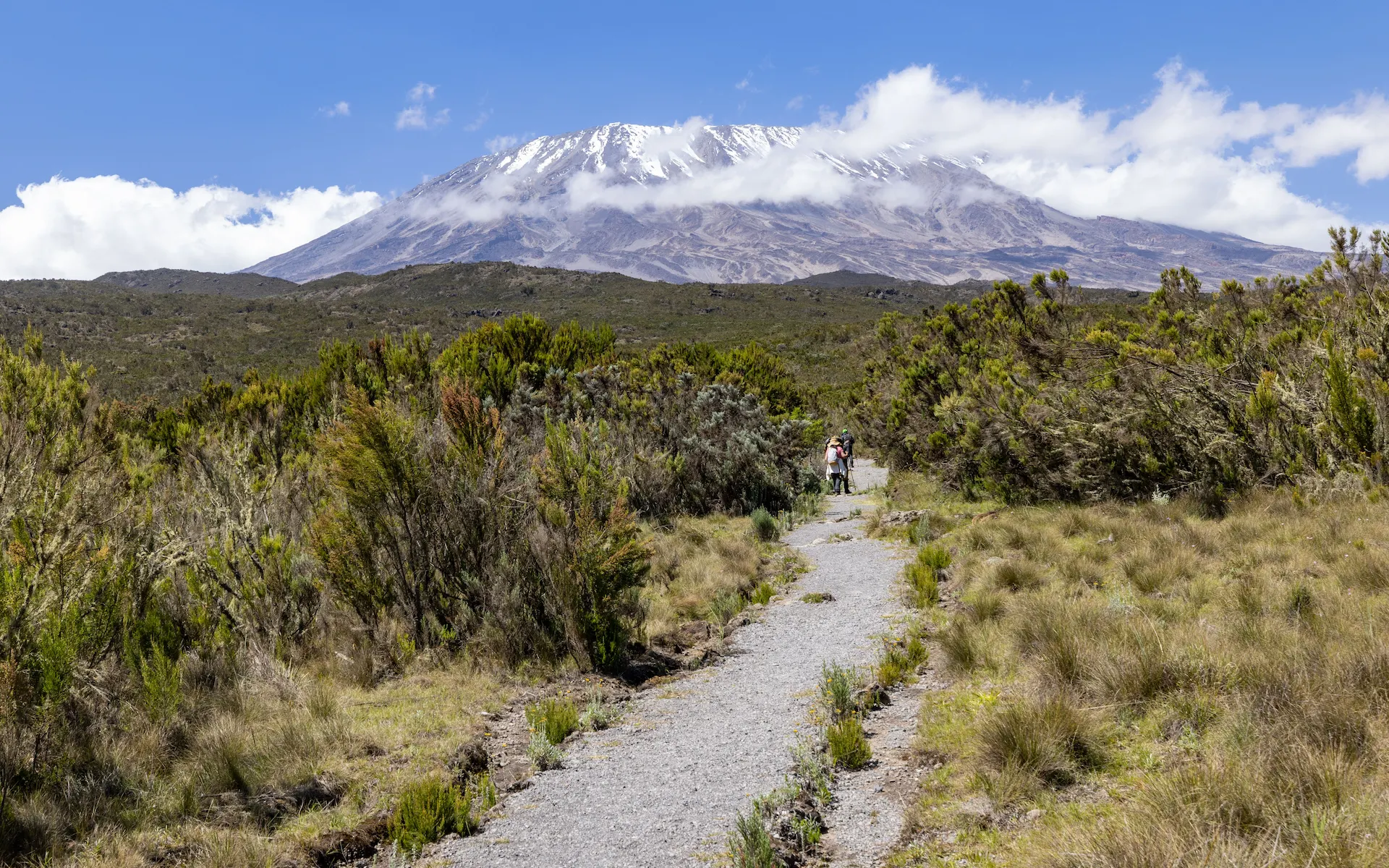
Kilimanjaro is the highest of these and the easiest to approach technically. The Rwenzori Mountains reach a similar height at Margherita Peak, but the trek is wetter, muddier and more remote, and the summit needs technical gear, so it suits climbers who want something harder and quieter. Mount Meru is the usual warm-up for Kilimanjaro, and Ol Doinyo Lengai is lower but very steep and volcanic. Kilimanjaro is also often called the most accessible of the Seven Summits, but accessible does not mean easy.
How fit do you need to be?
You do not need to be an athlete. If you can comfortably walk six to eight hours a day, several days in a row, you are physically capable of climbing. A practical benchmark is being able to hike 10 km in a day without trouble. See a doctor before booking if you have heart, lung, blood pressure or other health concerns. Children can climb from age 10, which is the park minimum.
Am I ready? Quick checklist
- I can hike 10 km in a day without trouble.
- I have done at least two long walks on consecutive days.
- I have walked with a loaded daypack on hills.
- I have broken in my boots.
- I have tried walking at night with a headlamp.
- I have checked with my doctor.
- I have chosen an itinerary of 7 days or more.
If you can tick most of these, you are on track. If not, you still have time to build up.
How to train for Kilimanjaro
Start at least 3 months out if you can; 8 to 12 weeks is a bare minimum
- Hill walking with a loaded daypack, building to several hours.
- Back-to-back long walks on consecutive days. Many climbers train single days and then struggle with cumulative fatigue.
- Stair or incline training to build leg strength.
- Cardio two to three times a week.
- Night practice: walk with a headlamp so summit night feels less strange.
- Boot practice: wear the boots you will use until they are fully broken in.
- Warm-up climb: Mount Meru helps acclimatization.
How to make Kilimanjaro easier
- Choose more days. Seven or more for most first-timers.
- Walk slowly. “Pole pole” means slowly, slowly, and it works
- Drink plenty and eat even when you are not hungry.
- Pack properly: layers, waterproofs, warm gloves and hat for summit night.
- Ask your doctor whether Diamox is right for you. It never replaces a slow pace.
- Pick your season carefully. Dry months make days more comfortable.
- Tell your guide how you feel, early and honestly.
Is Kilimanjaro dangerous?
Most climbers finish safely, but the risk is real. Altitude illness is the main danger, and pre-existing heart conditions also matter. Commonly cited unofficial estimates are a few deaths a year among roughly 40,000 attempts.
- Every Kilimanjaro climb requires a licensed guide.
- The primary response to worsening symptoms is descent. Your guide decides whether you rest, descend or stop the summit attempt.
- Choosing a longer itinerary is the single most effective way to reduce risk.
- Every climb includes emergency oxygen, a pulse oximeter, a first aid kit, rescue fees and 24-hour support.
- Travel insurance covering trekking to 6,000 m and emergency evacuation is required.
Most climbers finish safely, but the risk is real. Altitude illness is the main danger, and pre-existing heart conditions also matter. Commonly cited unofficial estimates are a few deaths a year among roughly 40,000 attempts.
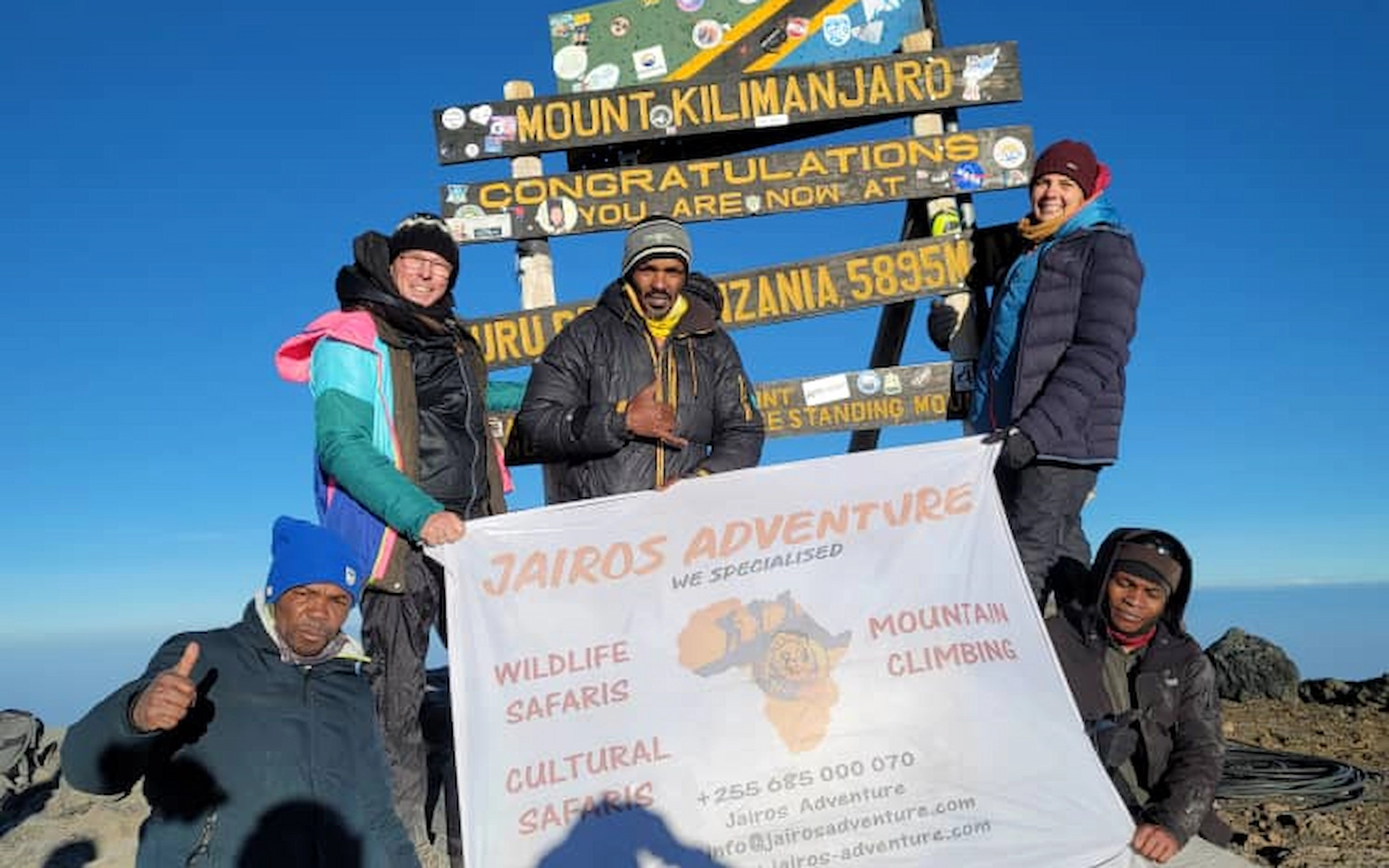
Plan your climb with Jairos Adventure
Tell us your fitness level, dates and group size, and we’ll recommend a route and number of days that give you the best chance.
Search Blog
Recent Articles
Machame Route Kilimanjaro: 7-Day Itinerary & Guide
Oct 13, 2026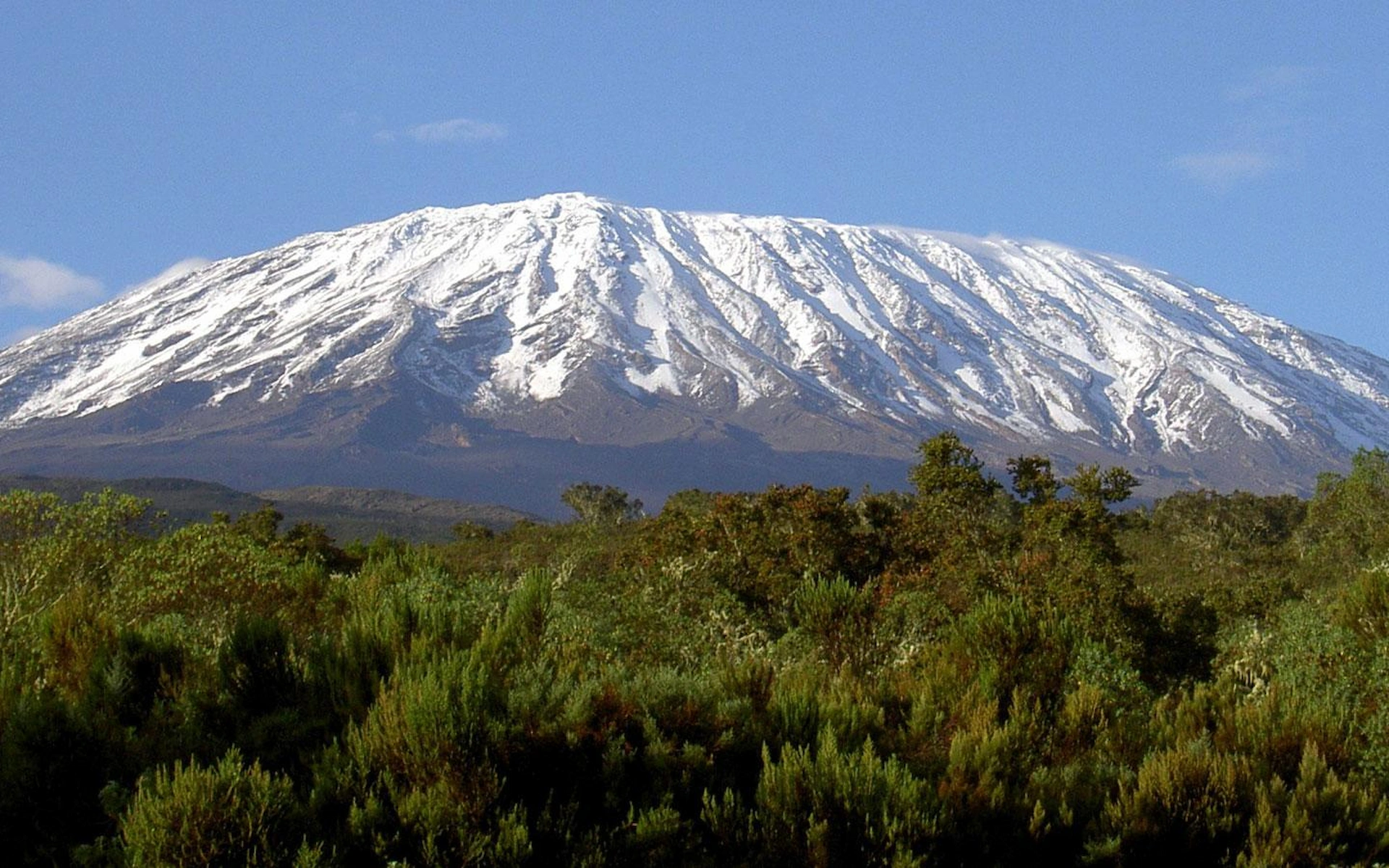

Ready for an Adventure?
Book your dream safari tour today and experience the wild like never before.
View Tours