


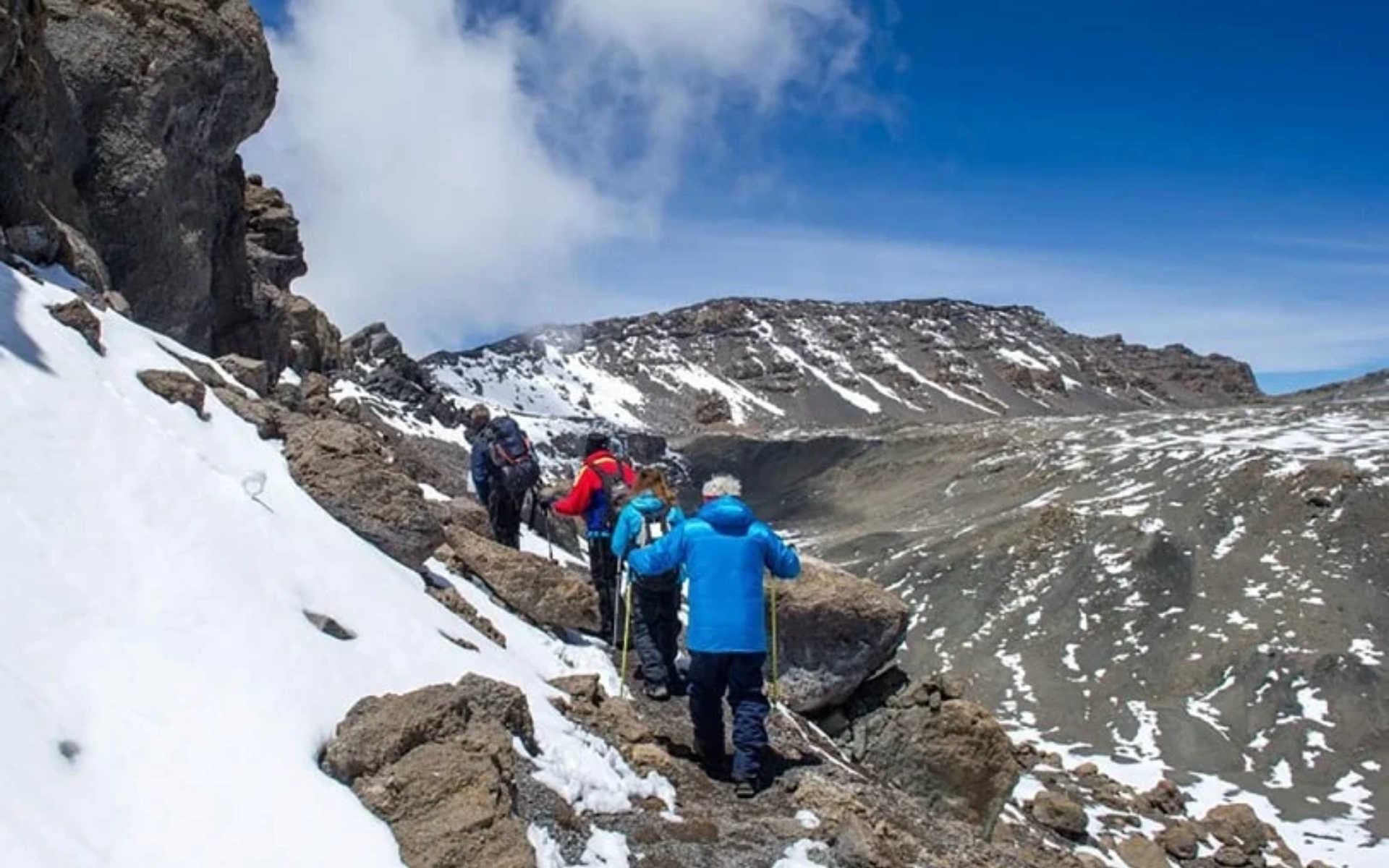
Climb Kilimanjaro
From the vast plains of the Serengeti to the misty heights of Kilimanjaro — discover Africa's most extraordinary places.
Kilimanjaro Climbing Routes, Costs, Safety, and Success Rates: 5,895 meters (19,341 feet)
Tanzania Mt Kilimanjaro Climb. Why choose Kilimanjaro instead of Everest, the Rockies, or the Himalayas?
Because Tanzania’s Mount Kilimanjaro offers the ultimate bucket-list adventure—accessible, breathtaking, and unforgettable. Standing 19,341 feet above sea level, Kilimanjaro is the highest peak in Africa and the tallest free-standing mountain in the world. And here’s the best part: you don’t need technical climbing skills. No ropes, no ice axes—just determination, basic preparation, and the dream of standing on the Roof of Africa.
A Kilimanjaro climb gives you more than a summit. It’s a cinematic journey through five stunning climate zones—lush rainforests, rolling moorlands, alpine deserts, and finally the legendary ice-capped summit. Every step feels like a new adventure, every view is worthy of a postcard. It’s challenging, inspiring, and absolutely life-changing.
If you want a mountain that delivers both thrill and meaning, Kilimanjaro is your perfect choice. This isn’t just a climb—it’s a once-in-a-lifetime experience packed with beauty, culture, and personal triumph. Reach the top, and you don’t just touch the sky—you rewrite your story.
Best Time to Climb Kilimanjaro
Timing your climb right can make a big difference, not just in the views, but in your overall experience.
Dry Season (January–March & June–October)
These are the most popular and recommended times to climb. Why? Because the weather tends to be stable clear skies, less rain, and milder conditions.
- January to March: Quieter on the mountain, with good chances of snow at the summit. A great choice if you want fewer crowds and don’t mind a bit of cold at the top.
- June to October: Peak season with amazing visibility and warm days (especially lower down). But it’s also the busiest time expect more fellow trekkers.
Wet Season (April–May & November)
- April–May: Long rains. Best to avoid unless you’re very experienced and well-prepared for wet, chilly conditions.
- November: Short rains. Slightly better than April–May but still not ideal for most climbers.
Pro Tip: Want a sweet spot with fewer crowds and decent weather? Aim for late January or early September.
Kilimanjaro Success Rate Calculator
Estimate your summit success probability based on acclimatization and route profiles.
8 Days
This duration is pulled dynamically from the selected tour package for optimal acclimatization mapping.
Conquer the Roof of Africa
Choosing the right route duration and acclimatization strategy can raise your summit success rate from 60% to over 95%.
Kilimanjaro & Mountain Trekking Routes
Choose your route and start your summit ascent with our expert mountain guides.
Showingtooftours
Finding the best tours for you...
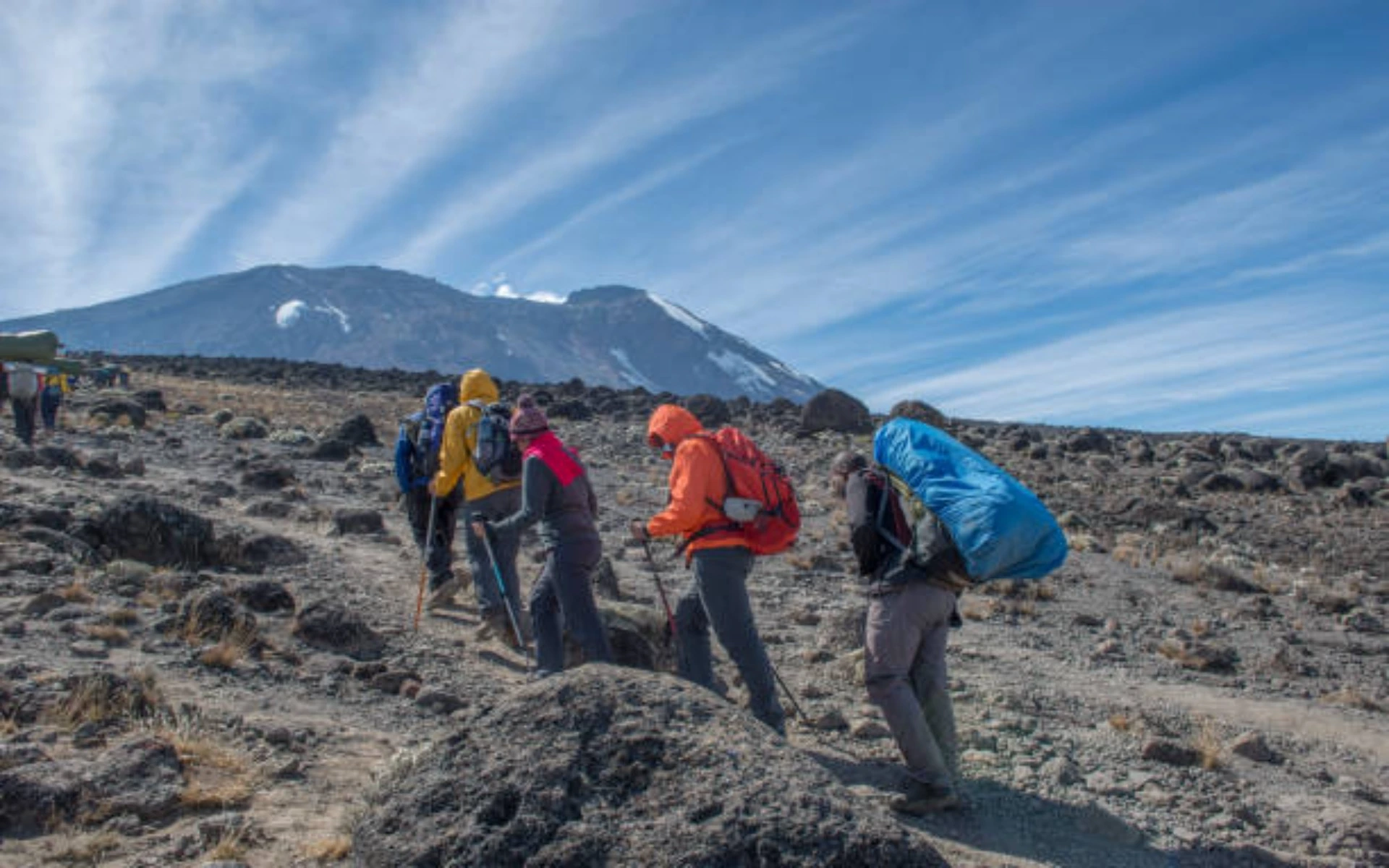
10-days Mt. Kilimanjaro & Safari Adventure -Combo
Journey Highlights: - 10 days, 9 nights- Climb Mount Kilimanjaro Via...
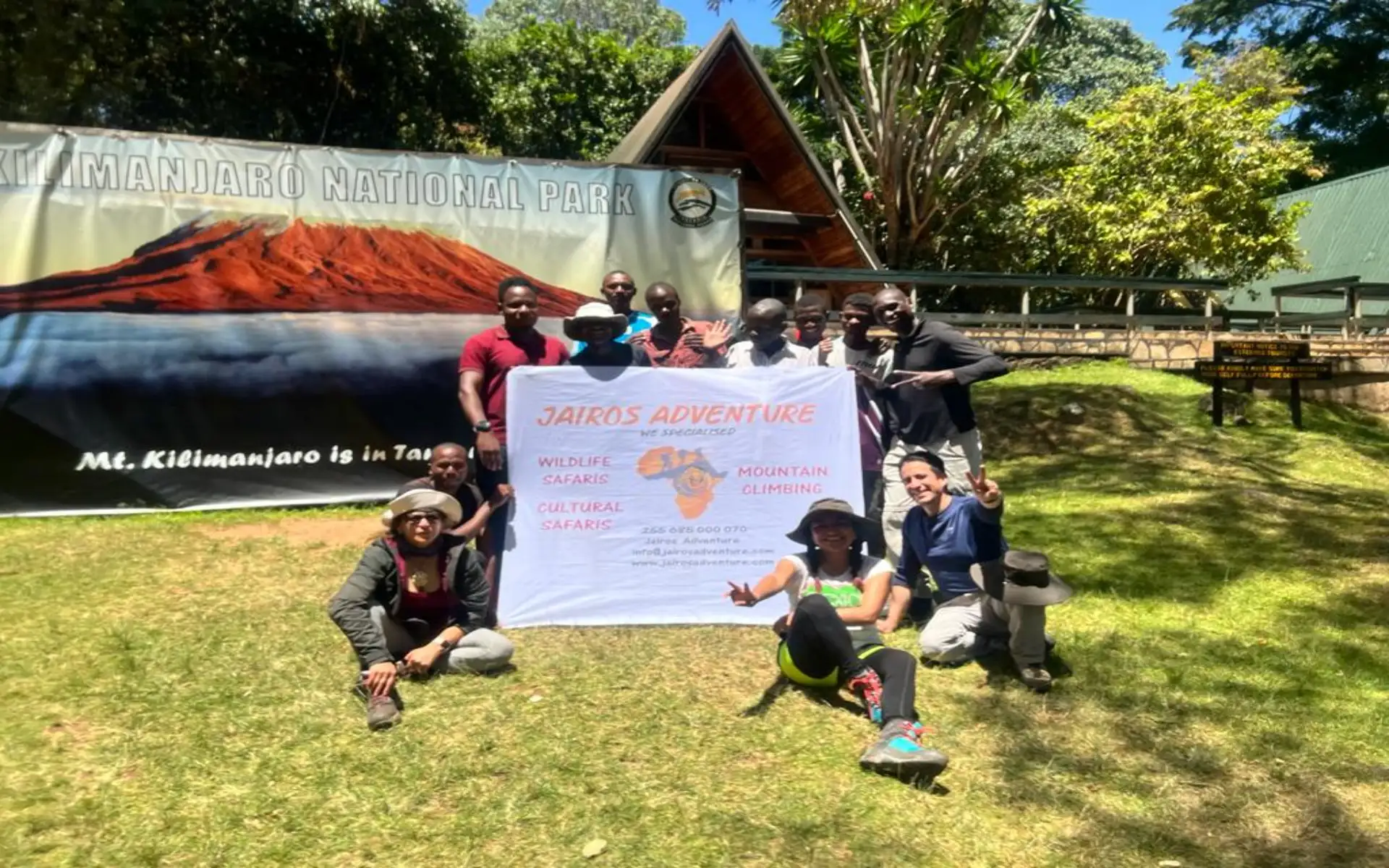
5-Days Climbing Marangu Route
Marangu Route, or “Coca-Cola” route, is the most thronged of the available routes on Kil...
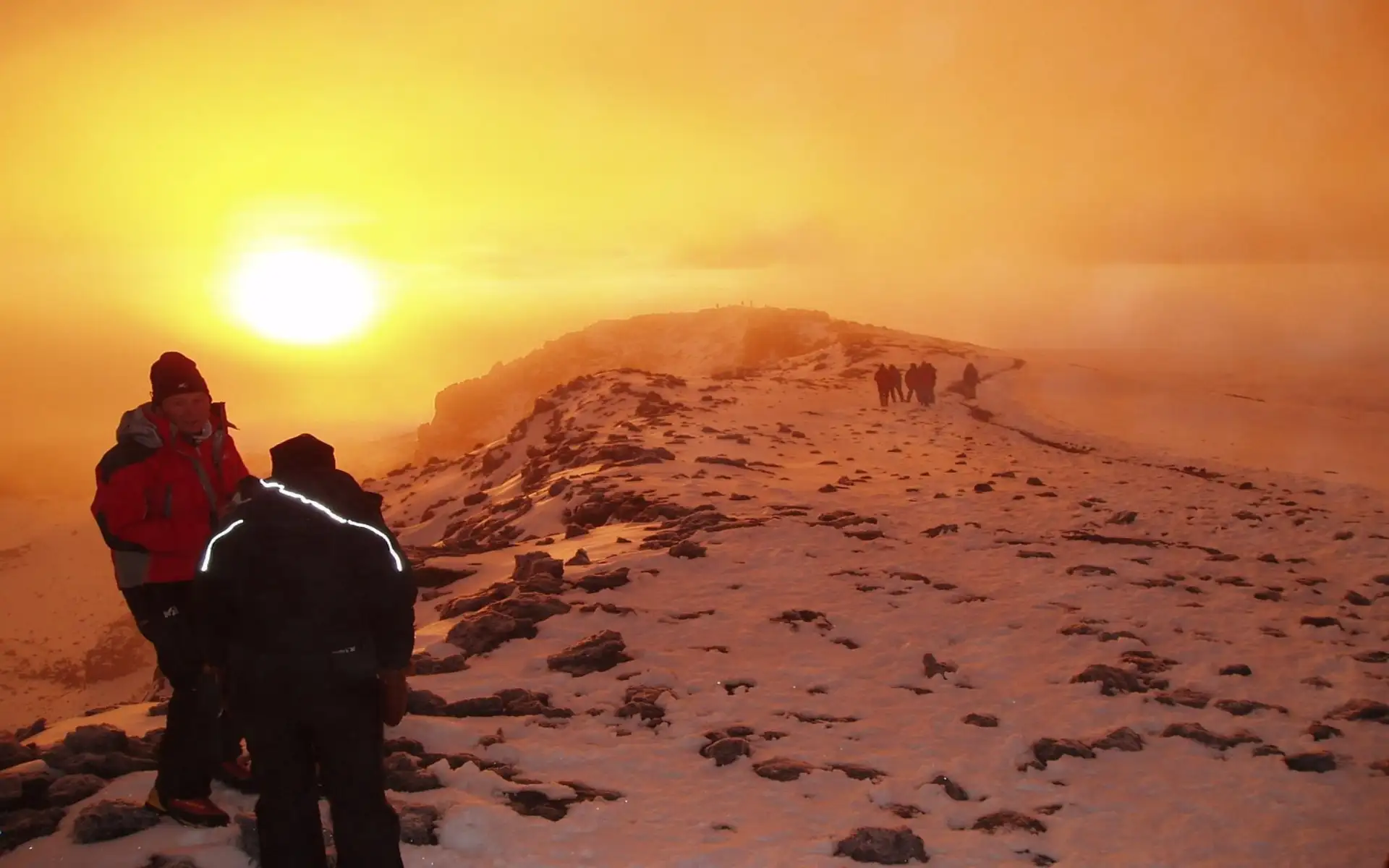
6-Days Climbing Marangu Route
Marangu Route, or “Coca-Cola” route, is the most thronged of the available routes on Kil...
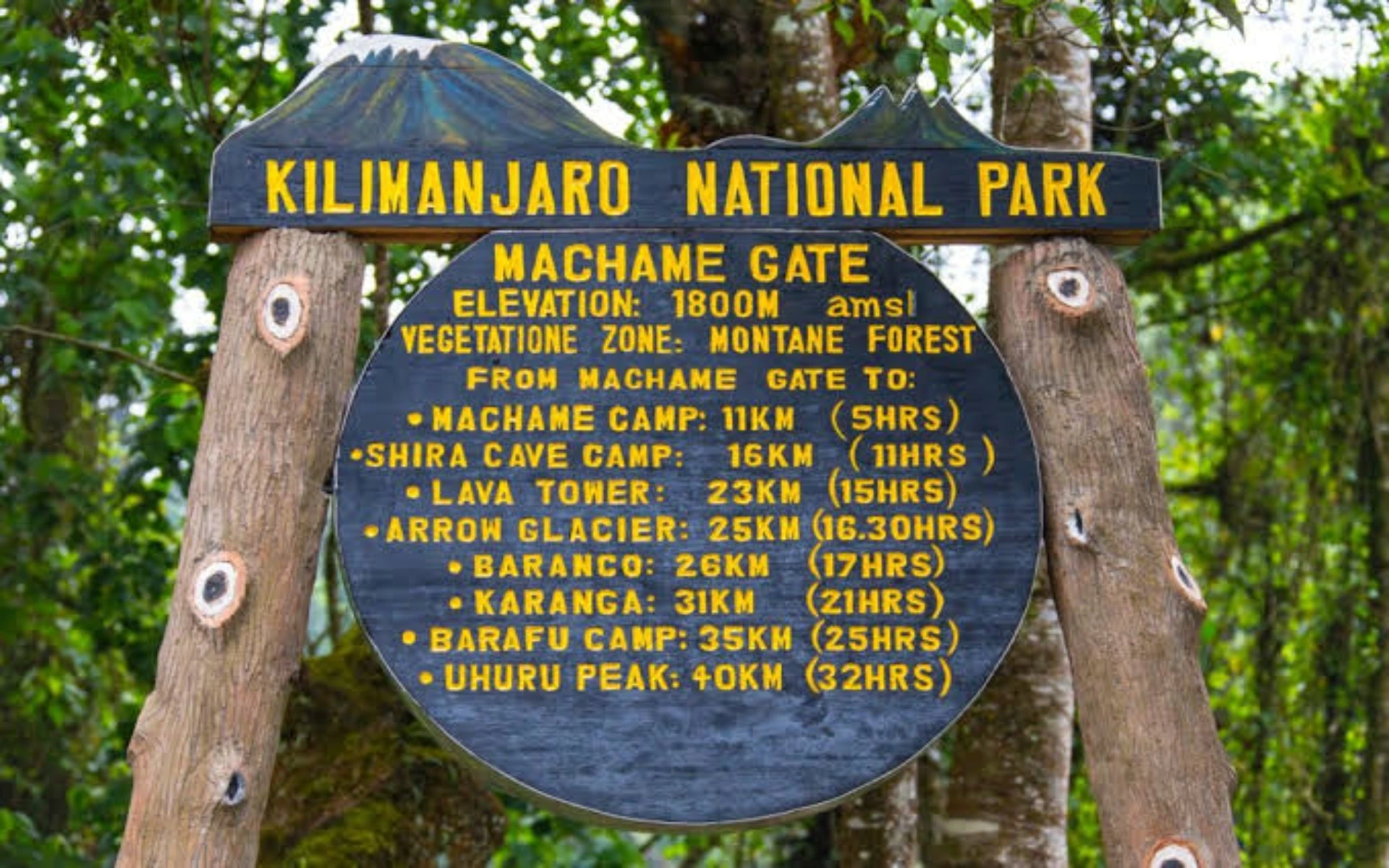
6-Days climbing Machame Route
How many days does it take to climb Mount Kilimanjaro? Next to Marangu, Machame, popularly know...
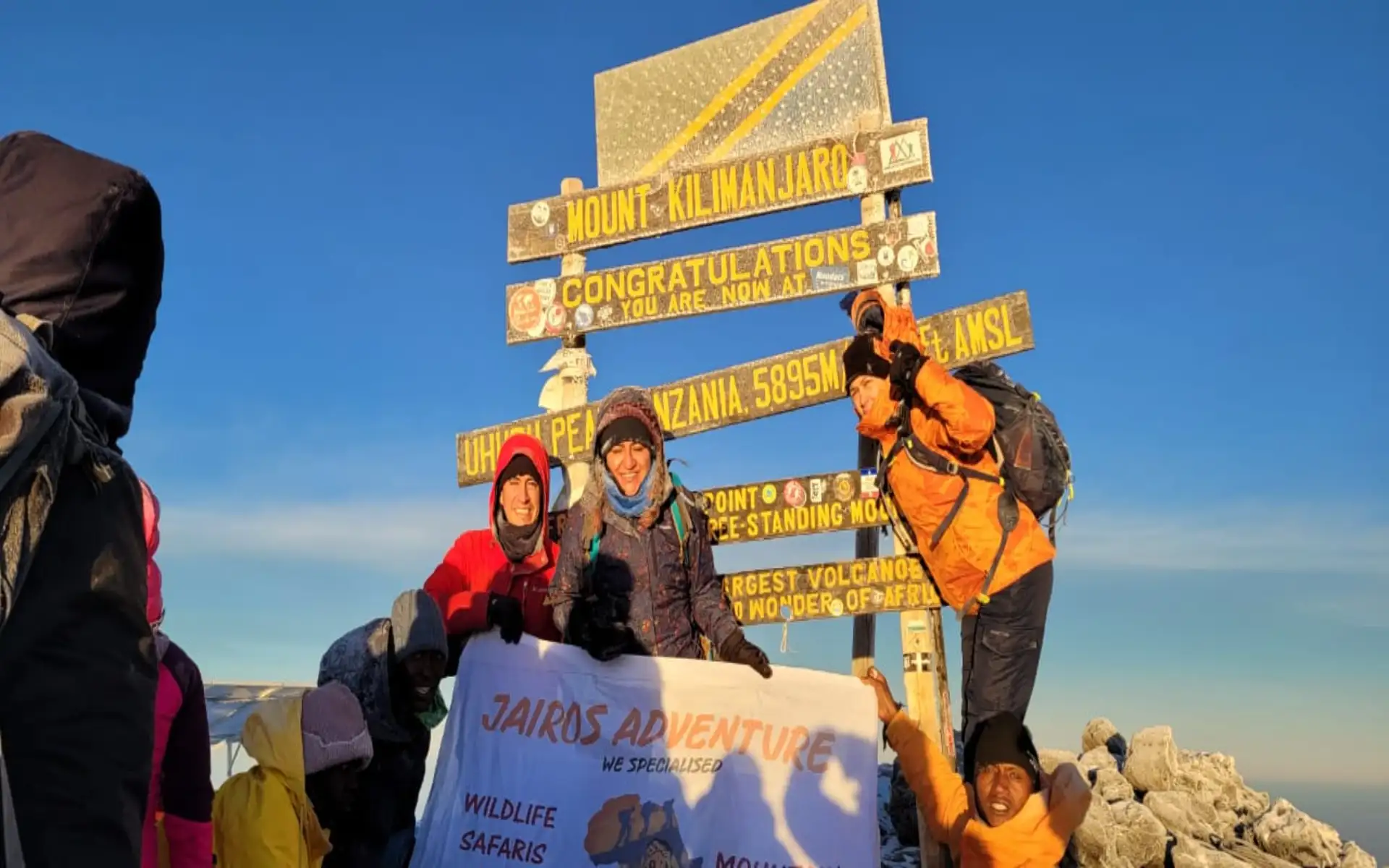
6-Days climbing Umbwe Route
Umbwe route is daring experienced climbers seeking adventure and challenge will find...
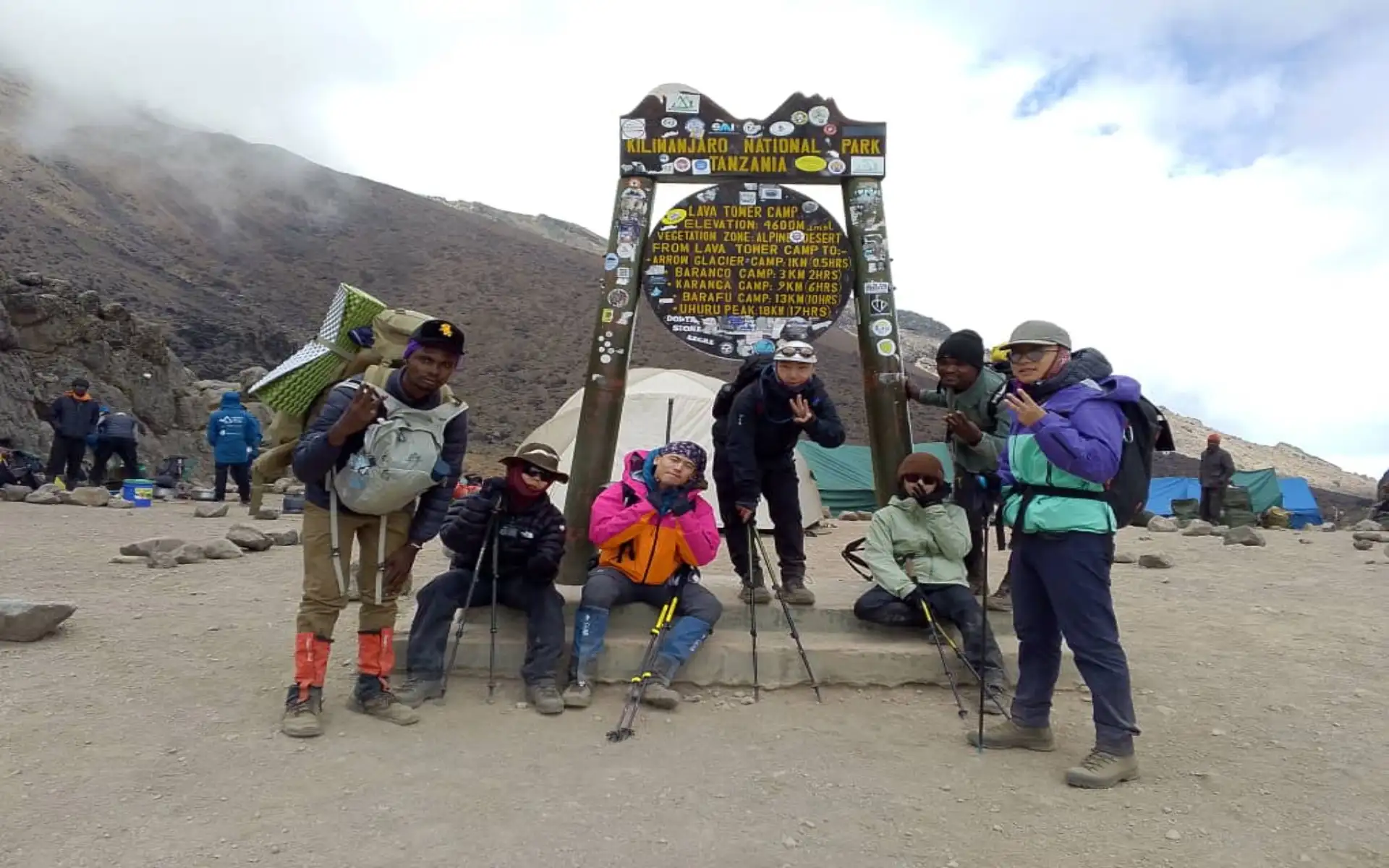
6-day climbing Rongai Route
6-Day Climbing Rongai Route is the only route to Kilimanjaro that originates from the northern slope...
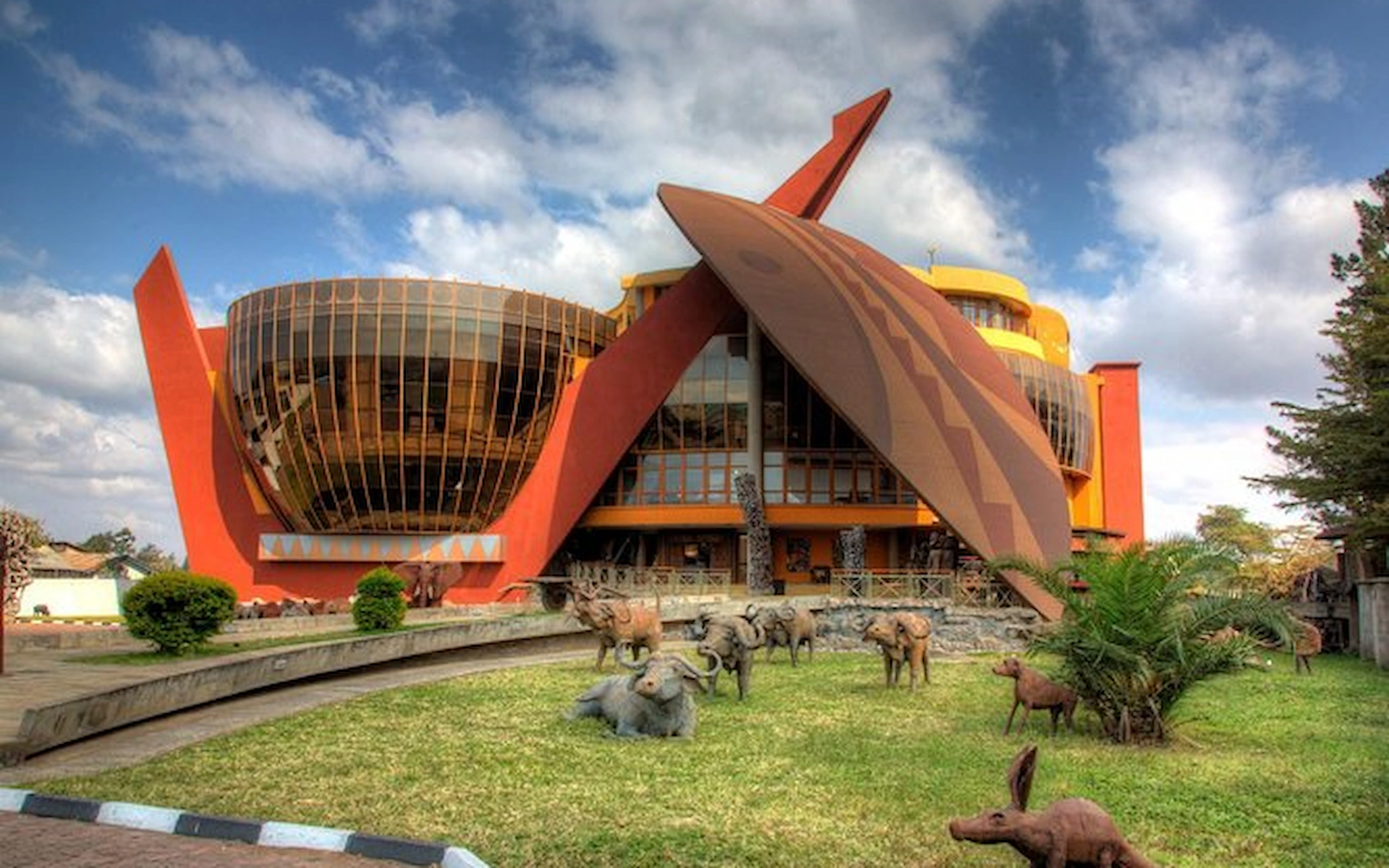
7-Days Kilimanjaro Climbing - Lemosho Route
The Lemosho Route to Kilimanjaro is one of the most scenic trails on the west side of ...
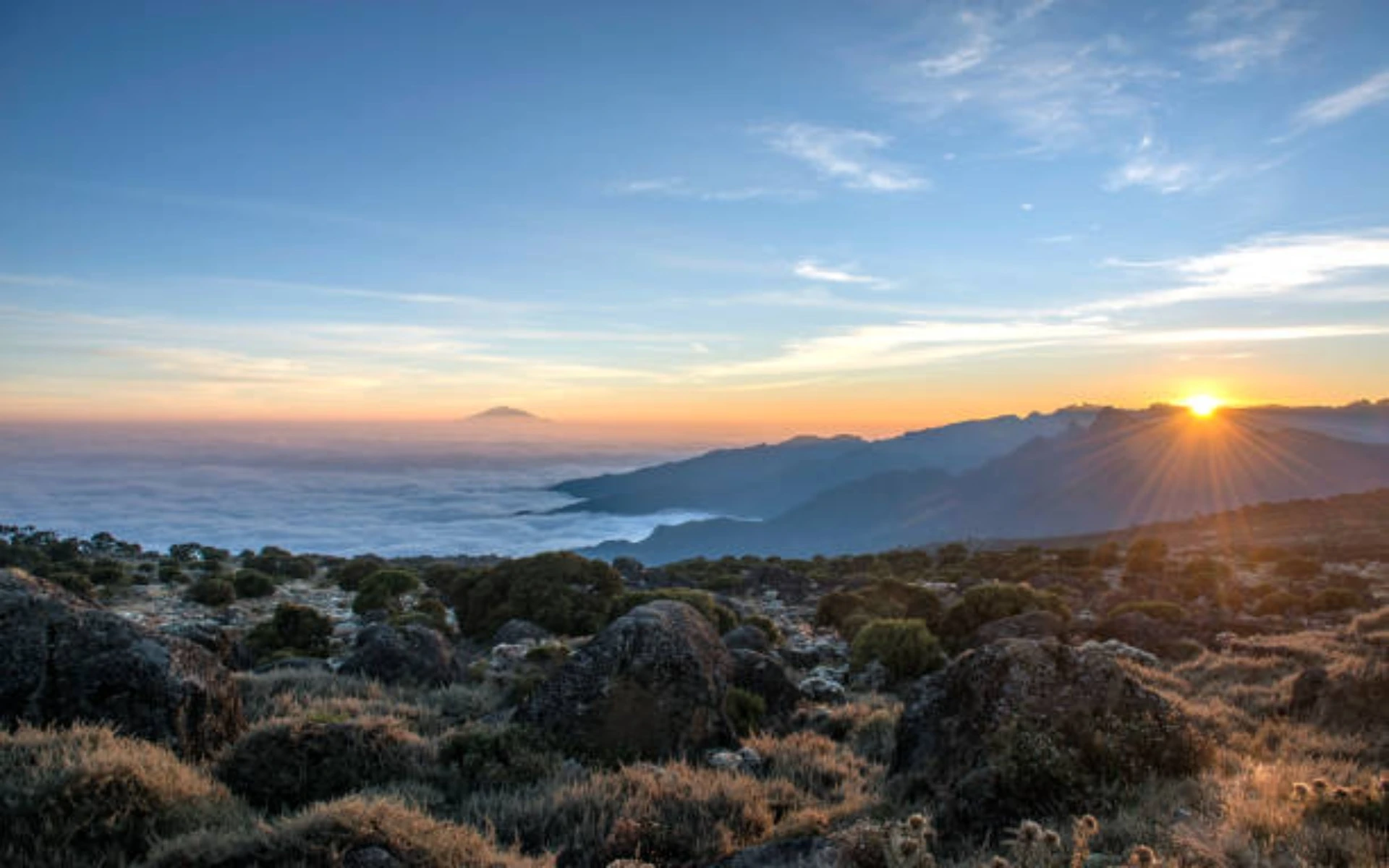
7-Days climbing Machame Route
How many days does it take to climb Mount Kilimanjaro? Next to Marangu, Machame, popularly know...
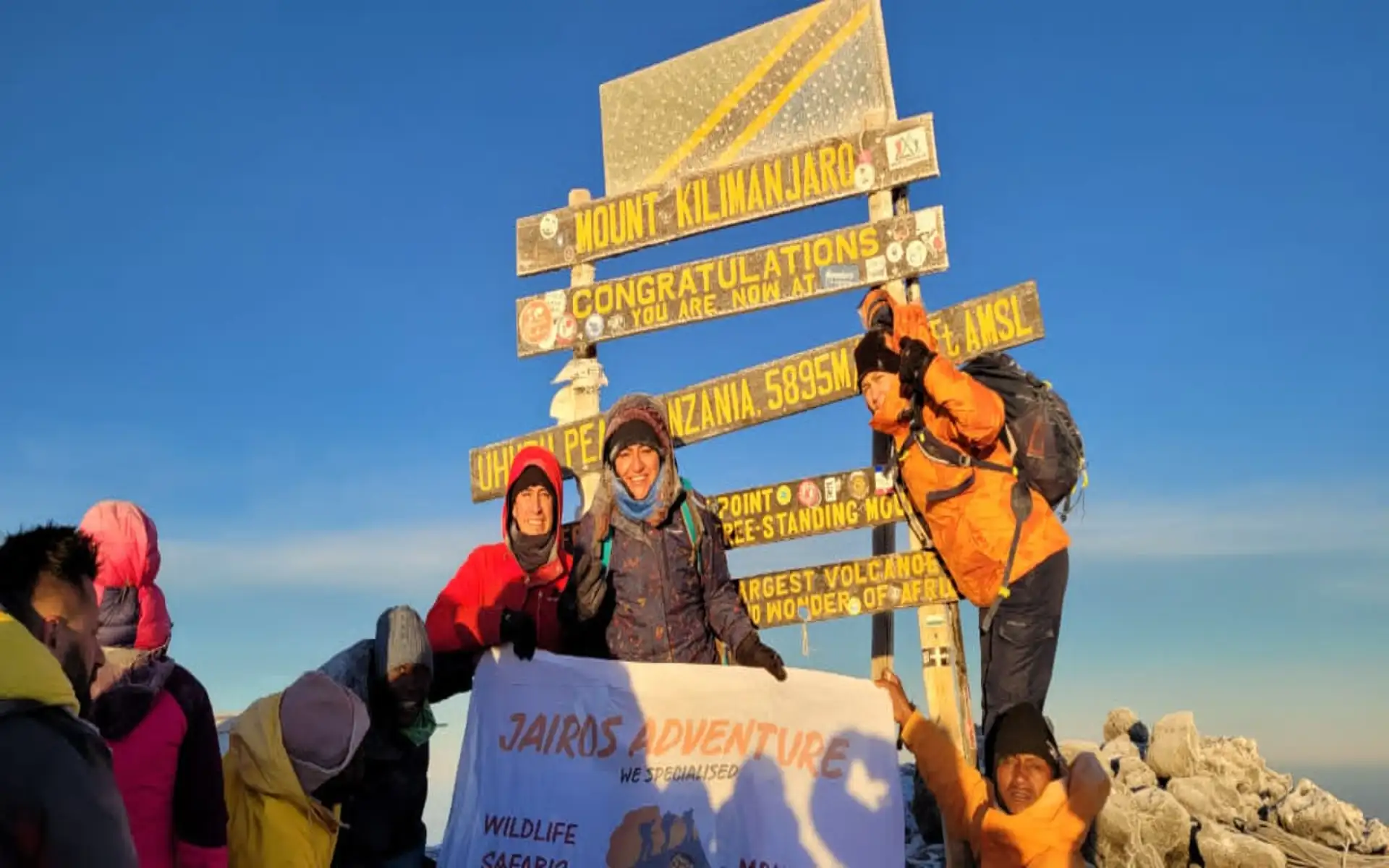
7-days Rongai Route Kilimanjaro
7-day climbing Rongai Route is the only route to Kilimanjaro that originates from the nort...
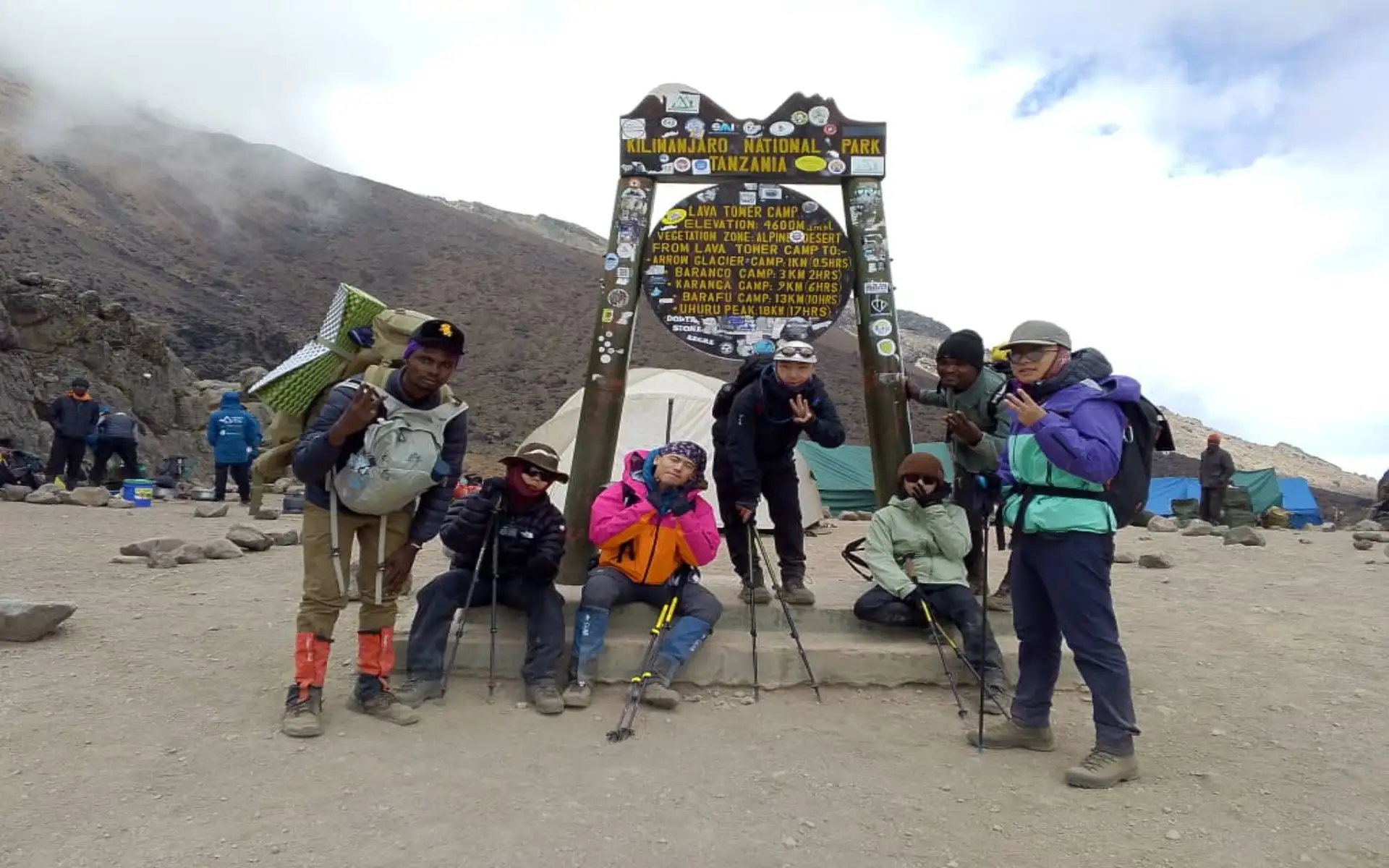
8-Days Kilimanjaro Climbing-Lemosho Route
The Lemosho Route to Kilimanjaro is one of the most scenic trails on the west side of ...
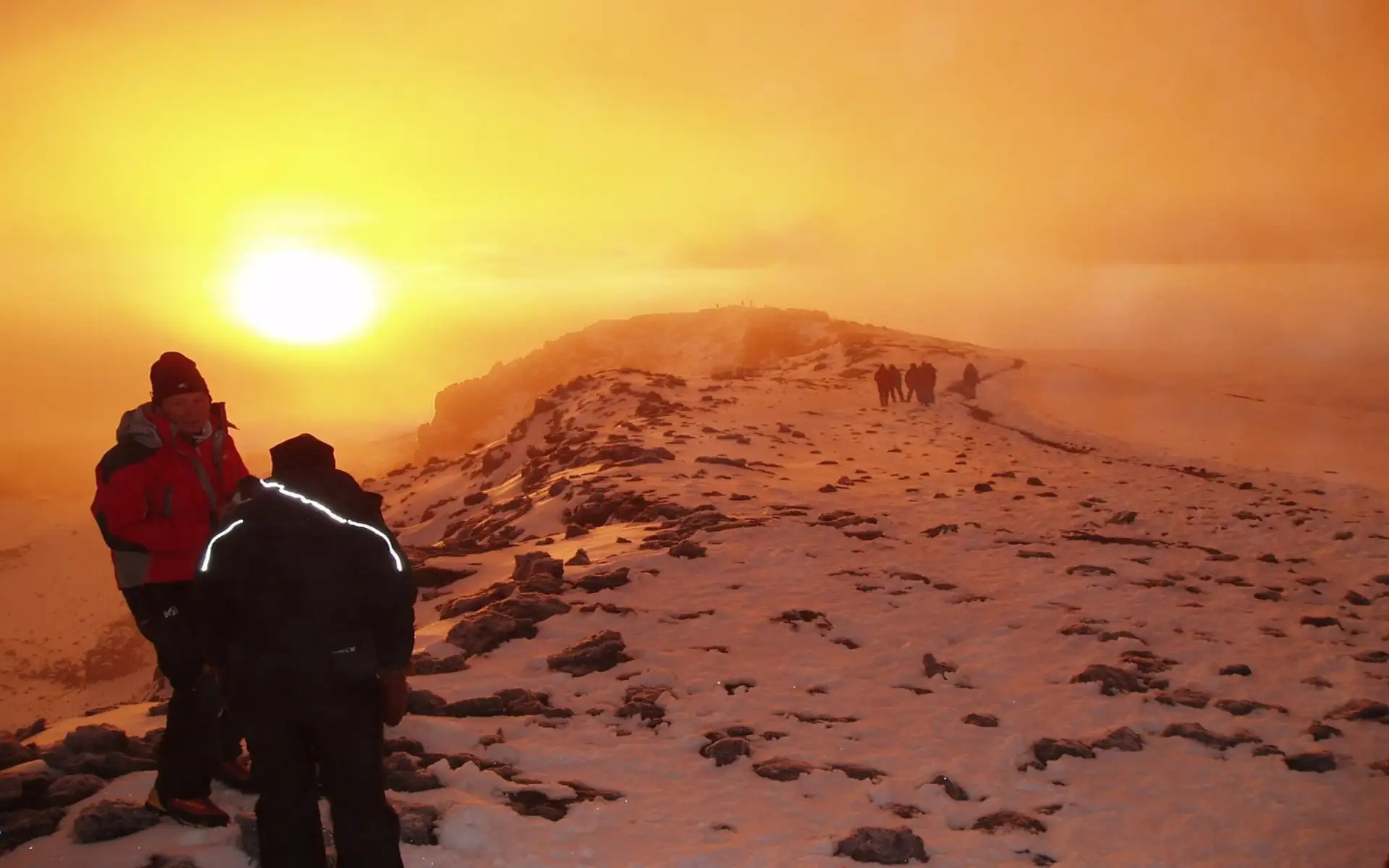
9-Days Northern Circuit Route
Experience the newest route on KilimanjaroBe one of the first to ascend the peaks of Mount Kilimanja...
No tours match your filters
Try adjusting the filters or reset them to see all available tours.