






Zanzibar Travel Guide 2026: The Complete Guide
Zanzibar Travel Guide 2026: Everything You Actually Need to Know Before You Go
The first thing that hits you in Zanzibar isn't the beaches; it's the smell. Cloves drying on tarpaulins outside Stone Town, salt air off the harbour, grilled corn smoke from Forodhani Gardens at dusk. Pictures of the sand and the turquoise water are what get you to book the flight. It's everything else, the "pole pole" pace, the calls to prayer drifting over rooftops, the fishermen hauling in dhows at sunset, that makes you want to come back.
This guide is built the way we'd brief a friend before their first trip: what's actually worth your time, what to skip, what nobody tells you about money and tides, and a real itinerary you can copy. We've planned trips here for years, and we've updated every section for 2026 so you're not working off outdated visa fees or a "best beach" list written by someone who's never left Nungwi.
Zanzibar at a Glance
Action | Fact |
|---|---|
Where it is | An archipelago 25–50 km off Tanzania's coast, in the Indian Ocean |
Best time to visit | June–October (dry, cooler) or late December–February (hot, sunny) |
Avoid if possible | April and May (heavy rains, some lodges close) |
Currency | Tanzanian Shilling (TZS); US dollars widely accepted in tourist areas |
Visa | Required for most nationalities; e-visa or visa on arrival, ~90 days |
Language | Swahili; English widely spoken in tourism |
Good for | Beaches, diving/snorkelling, culture, honeymoons, safari add-on |
Ideal trip length | 5–7 days (10+ if combining with a mainland safari) |
When Is the Best Time to Visit Zanzibar?
Every guide gives you the same three sentences here. What actually matters is which version of Zanzibar you want.
June to October: the safe bet. This is the long dry season, and it's popular for a reason: consistently sunny days, lower humidity, calm seas, and temperatures that hover in the mid-20s to high-20s (°C), so you're not melting on a spice tour at noon. July and August are the busiest and priciest months, since they overlap with European summer holidays and the Serengeti's Great Migration; book accommodation early if you're travelling then. September and October give you nearly identical weather with noticeably thinner crowds.
Late December to February, hot and festive. A shorter dry spell that's ideal if you want heat, clear water for diving, and don't mind the island feeling busier around Christmas and New Year. February in particular is excellent for visibility around Mnemba Atoll.
March to May, the low season, on purpose. This is when the "long rains" arrive, peaking in April. Some smaller lodges close entirely. It's also when prices drop the most, and the island empties. If you don't mind grey afternoon downpours followed by sun, and you're chasing a bargain, late March or May (the shoulder edges of the rains) can work.
November, the wildcard. Short, sharp afternoon showers ("short rains") that usually clear by morning. Crowds are thin, prices are fair, and honestly, most travellers who visit in November don't feel like they missed anything.
Our real recommendation: if your dates are flexible, aim for June, September, or October. You get the dry-season weather without paying peak-season prices or fighting for a sunbed.
Is Zanzibar Safe?
Yes, and it's worth being specific about what that means, because "safe" gets thrown around vaguely in most guides.
Zanzibar is calmer and less crime-affected than mainland cities like Dar es Salaam. The real risks visitors face are mundane: petty theft (phones and bags left unattended on the beach), overly persistent beach vendors and "flycatchers" (informal guides who latch onto tourists in Stone Town), sea urchins at low tide, and sunburn that sneaks up on you thanks to the ocean breeze. Tanzania's mainland has seen political unrest reflected in some governments' travel advisories, but this has consistently not extended to the Zanzibar archipelago, which remains calm.
Practical precautions that actually help:
Practical precautions that actually help:
- Use registered taxis or transport arranged through your hotel or tour operator, not random touts.
- Keep your passport in the room safe and carry a photocopy instead.
- Don't walk on quiet beach stretches alone after dark.
- Dress modestly away from resort grounds, Zanzibar is predominantly Muslim, and covered shoulders and knees go a long way in Stone Town and local villages.
- Watch the tide tables before you swim; Zanzibar's tidal range is dramatic, and the sea can retreat hundreds of metres at low tide, especially on the east coast.
The Best Things to Do in Zanzibar
1. Get Lost in Stone Town (give it a full day, not a rushed morning)
Stone Town is a UNESCO World Heritage Site, and it earns it. Narrow alleyways open onto carved wooden doors, each pattern once signalling the wealth and trade of the family behind it, and lead you past the House of Wonders, the Old Fort, and the site of the former slave market, now home to the Anglican Cathedral. Go for a guided walking tour if you want the history to land properly; the slave trade history in particular deserves context you won't pick up wandering alone. Time your visit so you're at Forodhani Gardens by sunset, when the night food market fires up, grilled octopus, Zanzibar pizza, and sugarcane juice pressed right in front of you.
3. Snorkel or Dive Mnemba Atoll
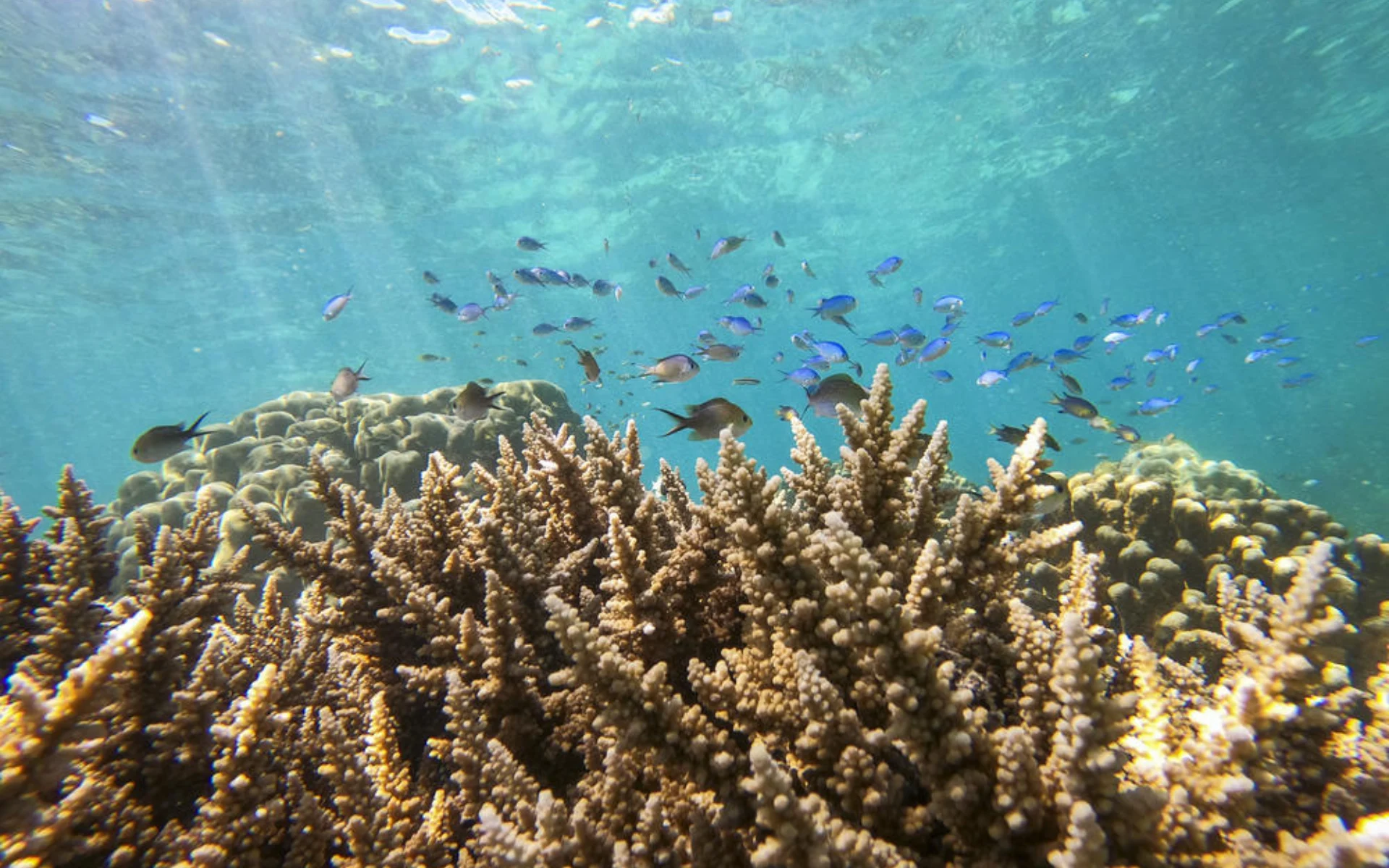
Mnemba is Zanzibar's marine showpiece, a protected atoll off the northeast coast with some of the clearest water in the archipelago and regular dolphin sightings on the boat ride out. July–October brings cooler, glassy conditions favoured by divers; January–March brings warmer water and often the calmest seas for snorkelling. Either way, book a trip that limits boat numbers around the atoll; overcrowded tours are the one thing that can spoil it.
2. Sail the Blue Safari or Safari Blue
A full day on a traditional dhow through Menai Bay: snorkelling over a healthy reef, swimming in a hidden mangrove lagoon at high tide, lounging on a sandbank that disappears at high water, and a Swahili seafood barbecue cooked on board. It's the single most-booked excursion in Zanzibar for good reason; it captures the whole island's rhythm in one day.
3. Snorkel or Dive Mnemba Atoll
Mnemba is Zanzibar's marine showpiece, a protected atoll off the northeast coast with some of the clearest water in the archipelago and regular dolphin sightings on the boat ride out. July–October brings cooler, glassy conditions favoured by divers; January–March brings warmer water and often the calmest seas for snorkelling. Either way, book a trip that limits boat numbers around the atoll; overcrowded tours are the one thing that can spoil it.
4. Walk a Spice Farm
The nickname "Spice Island" isn't marketing. A guided walk through a working plantation puts cloves, vanilla, cardamom, and cinnamon bark in your hands while they're still growing, and most tours end with a home-cooked lunch using what you just saw picked. Pair it with Jozani Forest on the same day; it's the last natural habitat of the endangered red colobus monkey, and you'll get genuinely close to troops of them in the wild.
5. Day trip to Prison Island and Nakupenda Sandbank
Prison Island (Changuu) never actually held prisoners; it was built as a quarantine station, and today it's best known for its population of giant Aldabra tortoises, some over a century old. Combine it with Nakupenda, a sandbank that only exists at low tide, for a half-day that's easy on kids and easy on anyone who just wants a slower pace than a full dhow safari.
6. Learn to Kitesurf in Paje
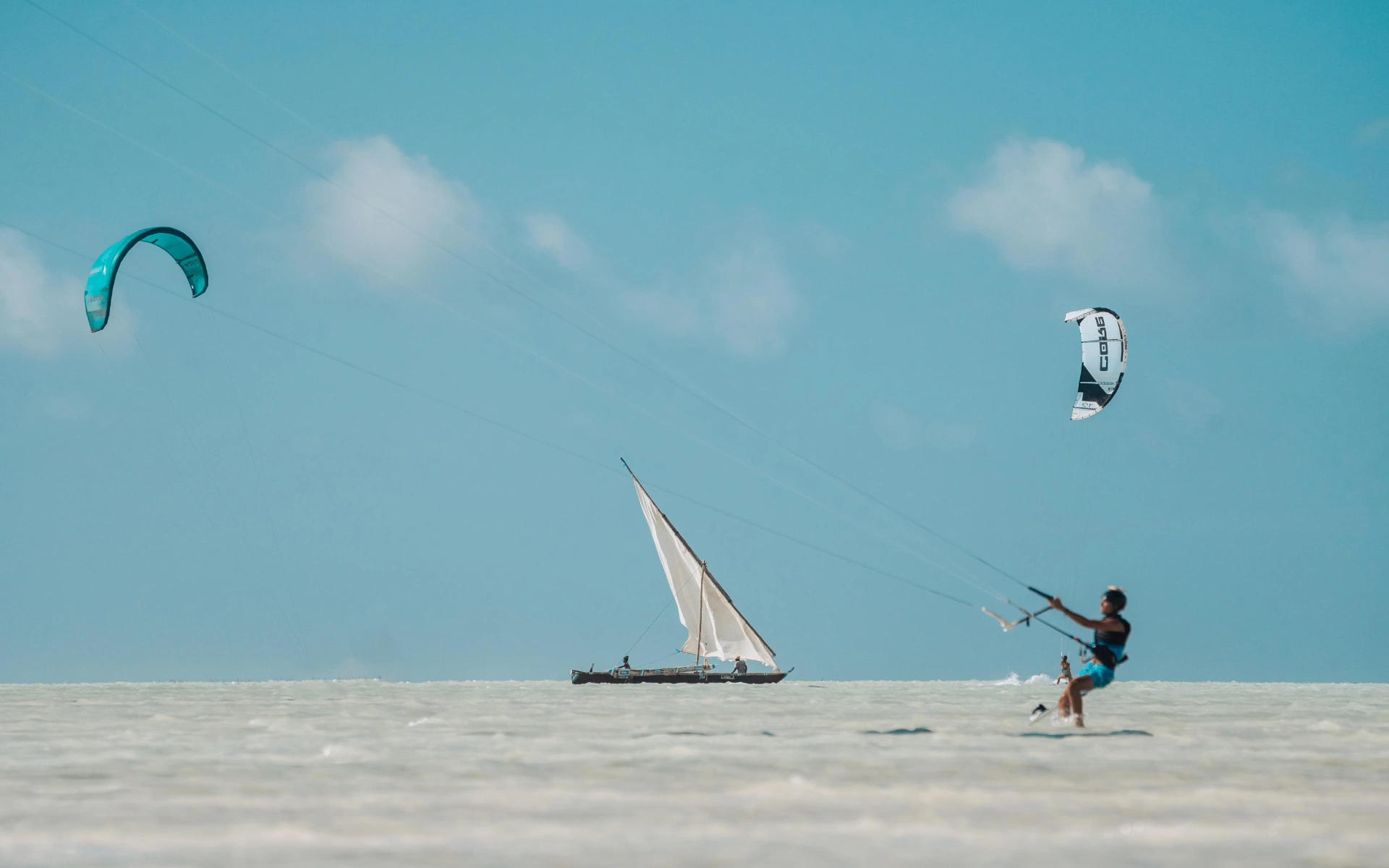
Paje and neighbouring Jambiani on the southeast coast have become East Africa's kitesurfing hub, with steady cross-shore wind, shallow lagoons for beginners, and a genuinely laid-back backpacker energy that's different from the resort scene up north. Kitesurfing season runs roughly December to February and June to September; the wind is unreliable outside those windows.
7. Watch the Sunset from a Dhow
You'll see this offered everywhere, and it's worth doing anyway. A couple of hours on the water as the sky goes orange over the Indian Ocean, usually with drinks included, is one of those things that photographs less well than it feels in person.
Where to Stay in Zanzibar (by Coast)
This is where most first-timers go wrong, booking a beautiful resort on the wrong coast for what they actually want to do.
- Stone Town, Best for culture, history, and food. Stay here if you want walkable nightlife and easy access to day tours, but know the town beaches aren't swimmable; you'll need to travel out for the sand.
- Nungwi & Kendwa (North): the most reliable swimming beaches on the island, since they're largely unaffected by the tide (unlike the east coast). Best for beach-and-nightlife travellers, sunset drinks, and first-timers who want a straightforward "beach holiday" base.
- Matemwe & Kiwengwa (East, north-central), Quieter, more boutique, and closer to Mnemba Atoll for diving. A good middle ground for couples who want beach time without the Nungwi bustle.
- Paje & Jambiani (Southeast), Kitesurfing, budget-friendly guesthouses, and a younger, backpacker-adjacent crowd. Tides here are dramatic, so check timing if "walk straight into the ocean" matters to you.
A Real 6-Day Zanzibar Itinerary
Day 1, Arrive, settle into Stone Town. Drop your bags, wander the medina, catch the Forodhani Gardens night market at sunset.
Day 2, Spice farm and Jozani Forest. Morning plantation walk and lunch, afternoon with the red colobus monkeys, then transfer to the north or east coast.
Day 3, Beach day. Do nothing. Swim, nap, reset, you'll want it before the busier days ahead.
Day 4, Safari Blue or Blue Safari day trip. Dhow sailing, snorkelling, sandbank, lagoon swim, seafood barbecue.
Day 5, Mnemba Atoll snorkel or dive. Half-day on the water; spend the afternoon back at the resort or explore your coastal village.
Day 6, Prison Island, Nakupenda, and departure prep. A lighter half-day before flying out, or extend to Day 7 if you want one more pure beach day.
If you're combining Zanzibar with a Tanzania safari, tack it on after, most travellers land in Zanzibar exhausted from early safari mornings, and there's no better decompression than a few days of doing nothing on the sand.
Practical Tips: Visa, Money, and Packing
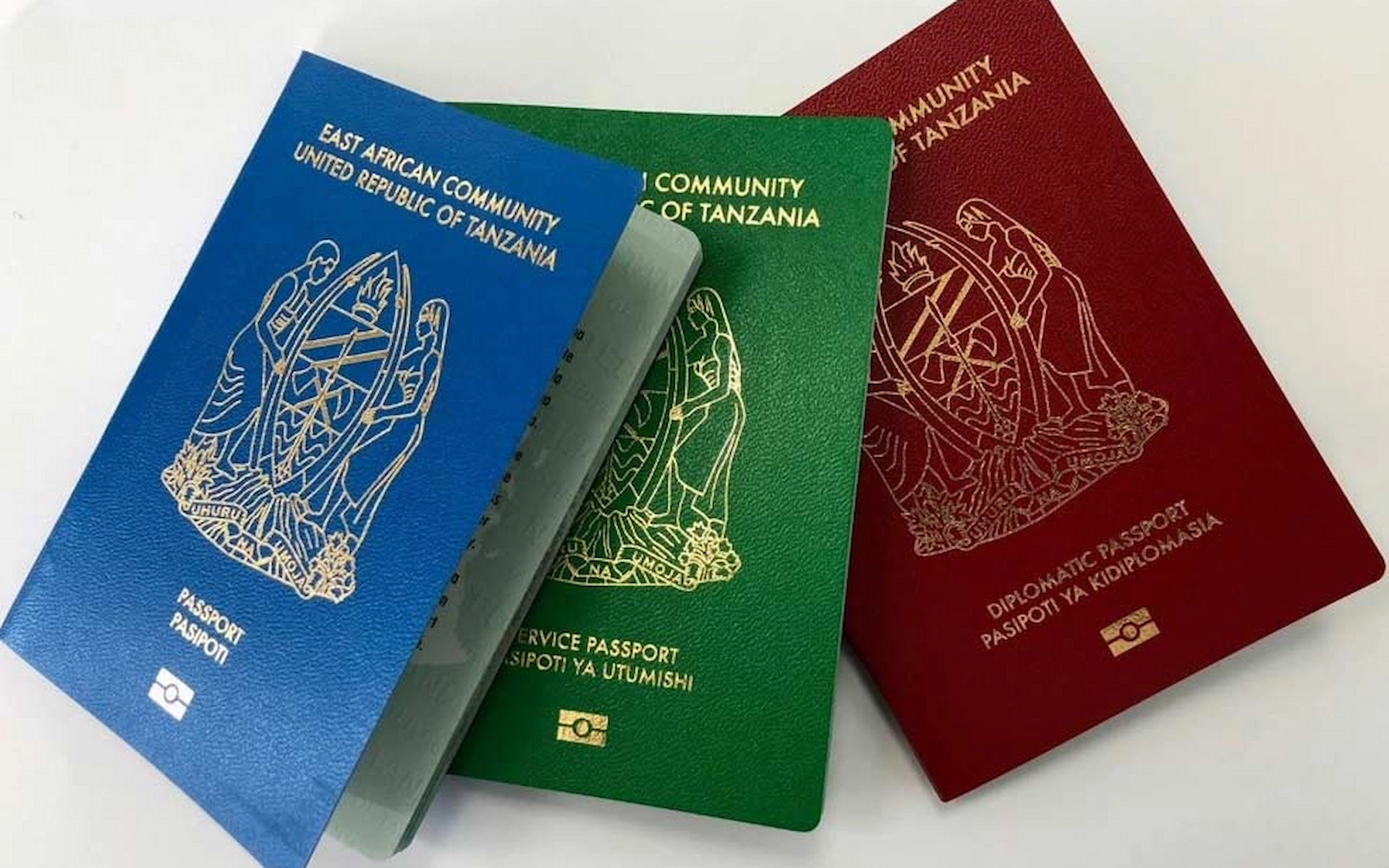
Visa. Most nationalities need a visa for Tanzania, which also covers Zanzibar. Apply online for an e-visa before you travel where possible; it's faster than arrival lines and lets you skip carrying large amounts of cash for the fee. Standard single-entry tourist visas run around USD 50 for most nationalities (USD 100 for US citizens, who need the multiple-entry version) and are valid for stays of up to 90 days. Your passport needs at least six months' validity from your departure date, and you may be asked for proof of a return flight.
Money. The Tanzanian Shilling is the official currency, but US dollars are widely accepted at hotels, resorts, and tour operators; bring bills from 2009 or later, since older notes are often refused. Carry some shillings for markets, local taxis, and street food, where dollars aren't always practical. Credit cards work at upscale resorts and restaurants but often carry a 3–5% surcharge. Withdraw or exchange a bit of cash on arrival rather than relying entirely on the airport rate, which tends to be poor.
Health. Zanzibar requires proof of yellow fever vaccination if you're arriving from a country with risk of transmission; check this before you fly, not at the airport. Malaria prophylaxis is generally recommended, and bottled or filtered water is the safer default over tap water.
Packing. Lightweight, breathable clothing for the heat, but pack something that covers your shoulders and knees for Stone Town and village visits, this matters more than most beach-brochure guides let on. Reef shoes are genuinely useful on the east coast, where low tide exposes rock and sea urchins. A dry bag for dhow trips, strong sunscreen, and a portable charger for the inevitable power blips round out the list.
Search Blog
Recent Articles

What to Wear on a Tanzania Safari
Aug 30, 2026

Ready for an Adventure?
Book your dream safari tour today and experience the wild like never before.
View Tours