



Great Wildebeest Migration Safari
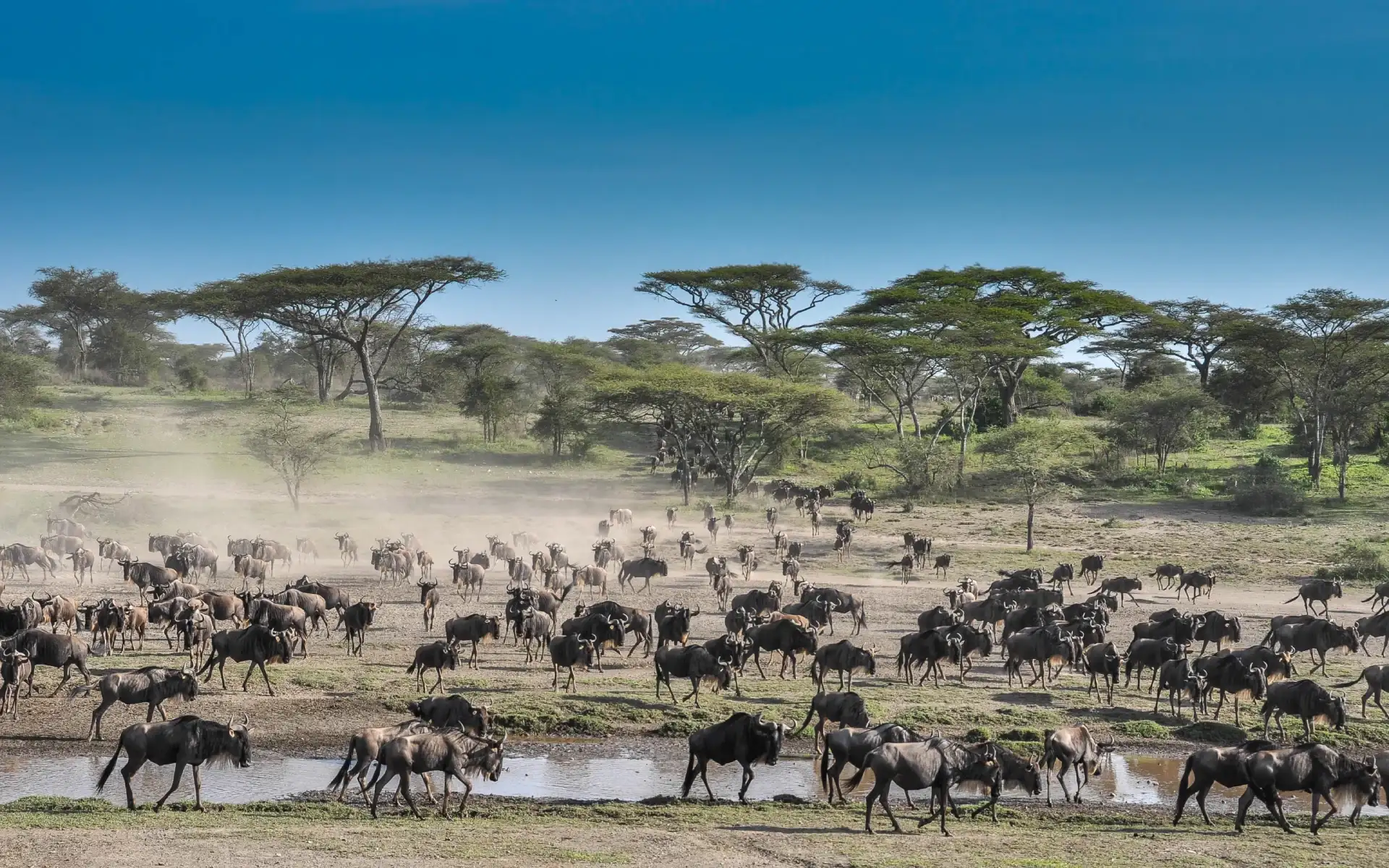
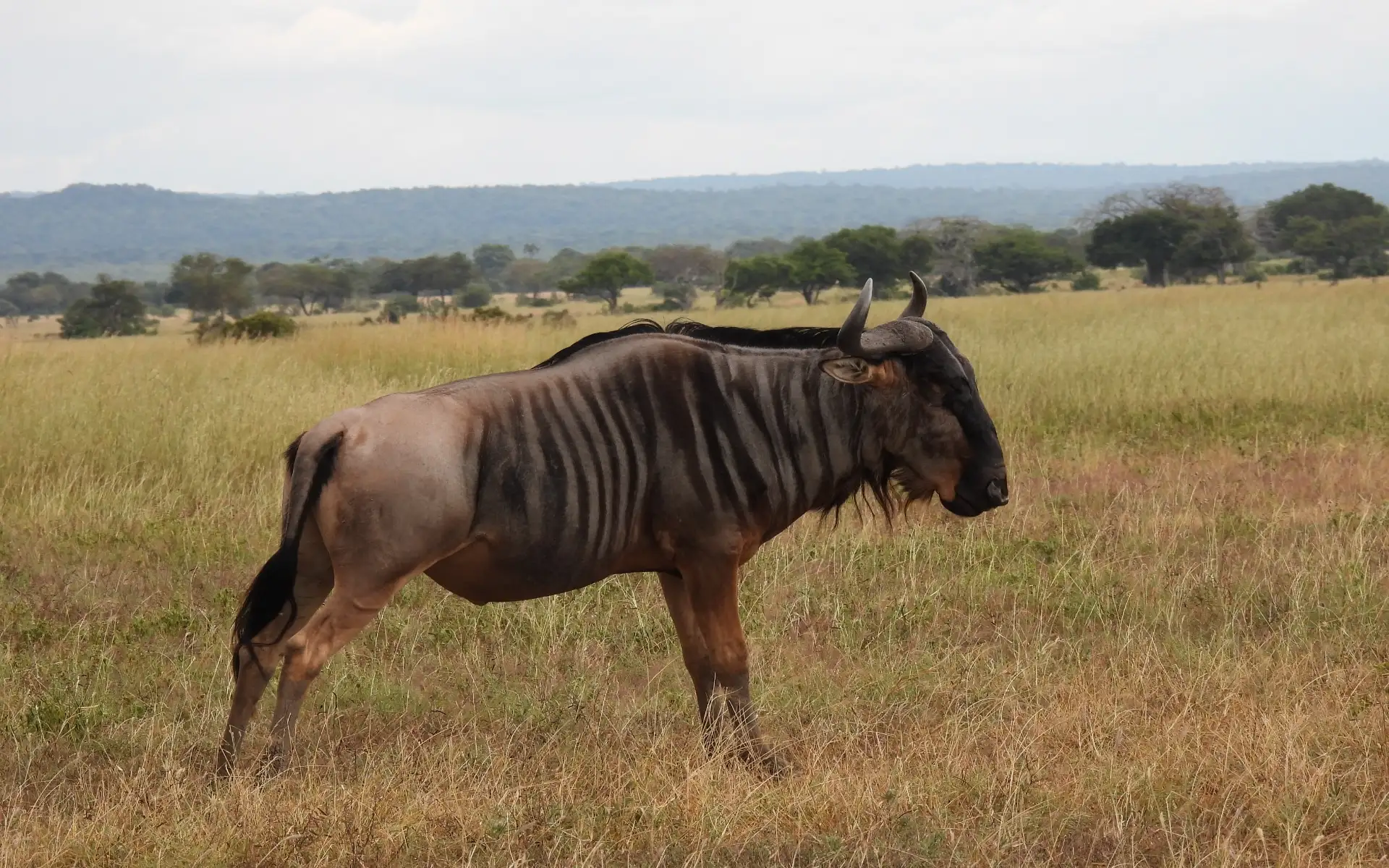
So here it is, without the fluff. Over 1.5 million wildebeest move through the Serengeti and Masai Mara every year, along with roughly 200,000 zebra and a good number of gazelles, all following the rain in a huge clockwise loop across Tanzania and Kenya. It's genuinely one of the great sights in nature. This guide covers the timing, the real costs for 2026/2027, what should be included in a package, and a sample itinerary, so you can plan this properly instead of guessing.
Best Time to Go, at a Glance
| Go in... | Location | |
|---|---|---|---|
Calving season (500,000+ births) | January to March | Ndutu and Southern Serengeti | |
Dramatic Mara River crossings | July to September (peak: August) | Northern Serengeti and Masai Mara | |
Fewer crowds and lower prices | April, May, November | Central and Western Serengeti | |
Solid game viewing at a fair price | June, October | Western Corridor and Southern Serengeti |
There's no single "best" month. There's only the best month for what you personally want to see, and what you're willing to pay for it. That's really the whole decision, so let's break both parts down properly.
What Does a Migration Safari Actually Cost in 2027?
Prices depend on season, trip length, and the level of accommodation. Here's roughly where things sit right now across Tanzania and Kenya operators.
What Does a Migration Safari Actually Cost in 2026-2027?
| Duration | Price per person (2026-2027) | Best season | |
|---|---|---|---|---|
Budget camping safari | 4 days | $1,400 to $1,800 | Green season (April to May) | |
Mid-range lodge safari | 5 to 6 days | $2,200 to $3,200 | Calving or shoulder season | |
Luxury tented camp safari | 6 to 7 days | $3,800 to $5,500 | River crossing (July to September) | |
Combined Kenya and Tanzania | 8 to 10 days | $4,500 to $7,000 | Peak migration plus Big Five |
The reason July through September is so much pricier isn't really about greed. Camps near the Mara River have a fixed number of tents, and everyone wants to be there at the same time. When demand is that concentrated against limited supply, prices climb. If you're set on this window, book 8 to 12 months out. You'll get a better camp and a better rate than someone booking three months before their trip.
January to March, calving season. The herds gather on the short grass plains around Ndutu and the Southern Serengeti. At the peak in February, thousands of calves are born every day, which draws in every predator for miles. If you want lion, cheetah, and hyena action, this is your window.
April and May, green season. The long rains push the herds toward the Western Corridor. Fewer people, cheaper rates, and the landscape looks stunning after the rain. Some roads get muddy, so it's not the season for people who want everything to go perfectly smoothly.
June. The migration works its way across the Grumeti River. Smaller crossings than what you'd see on the Mara later in the year, but with a fraction of the crowds.
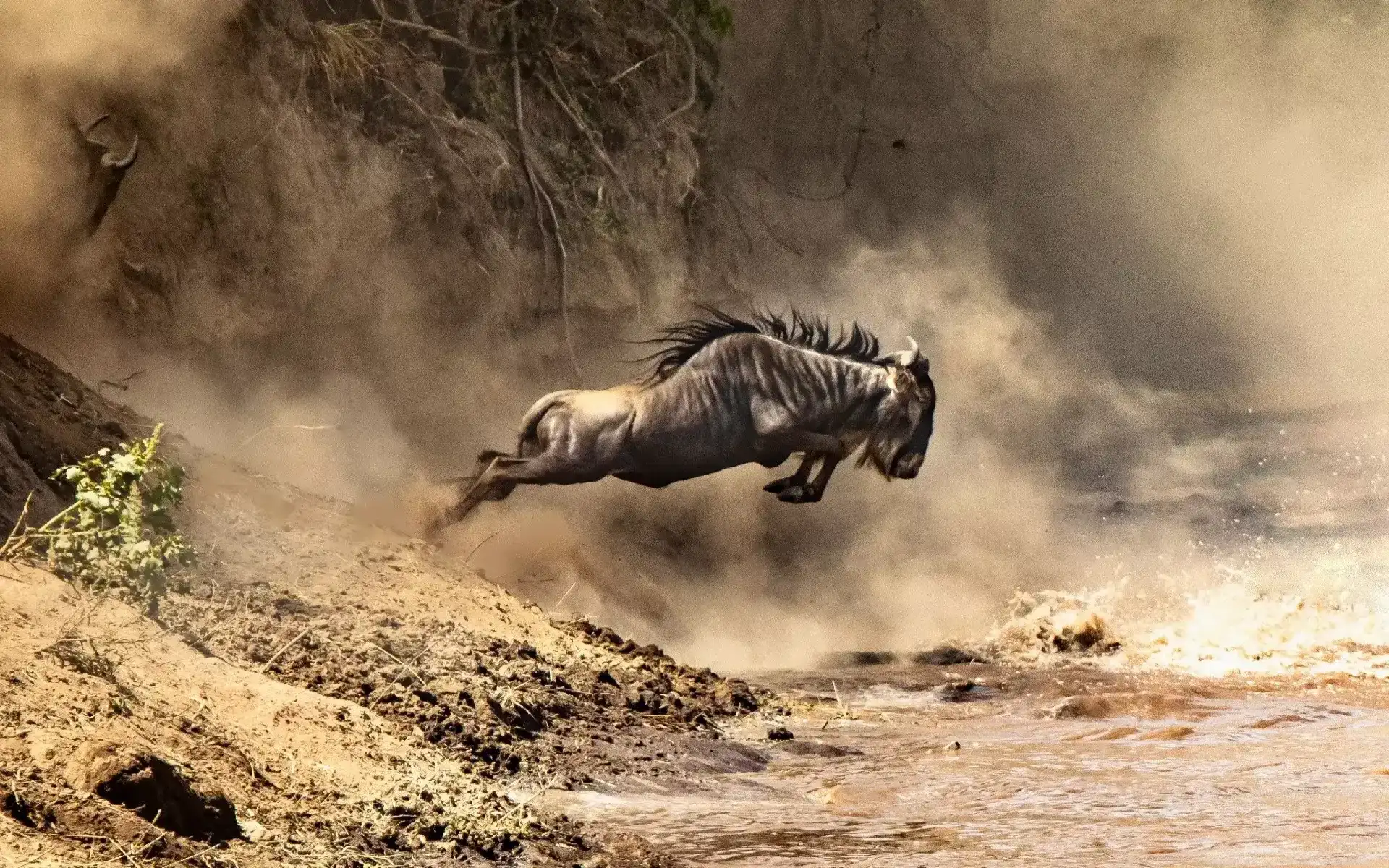
July to September, river crossing season. This is the one everyone's seen on TV. The herds push north and cross into the Masai Mara, dodging crocodiles along the way. It's peak season, so expect peak prices and a decent number of other vehicles at the good viewpoints.
October to December. The herds turn south again, moving through Lobo and Loliondo back toward the Southern Serengeti, closing the loop as the short rains arrive.
Serengeti or Masai Mara?
| Serengeti (Tanzania)Duration | Masai Mara (Kenya) | |
|---|---|---|---|
Best for | The full migration cycle, calving season | Concentrated river crossings, July to October | |
Park size | Much bigger, so it feels less crowded | Smaller, and the crossing points can get busy | |
Typical cost | A bit lower | A bit higher, since flights are shorter but camps are denser | |
Trip length | 5 to 10 days for the full experience | 3 to 5 days is often enough |
If it's a once-in-a-lifetime trip and the budget stretches, doing both countries gives you the fullest picture: Tanzania for the calving season or general migration viewing, then Kenya timed for a river crossing. If you have to pick one, Tanzania gives you more flexibility throughout the year, while Kenya gives you a tighter, more predictable window for the crossings specifically.
What Should Actually Be Included in Your Package
This is where a lot of people get burned comparing quotes, because two "migration safari" packages at similar prices can include very different things. A properly costed package should have:
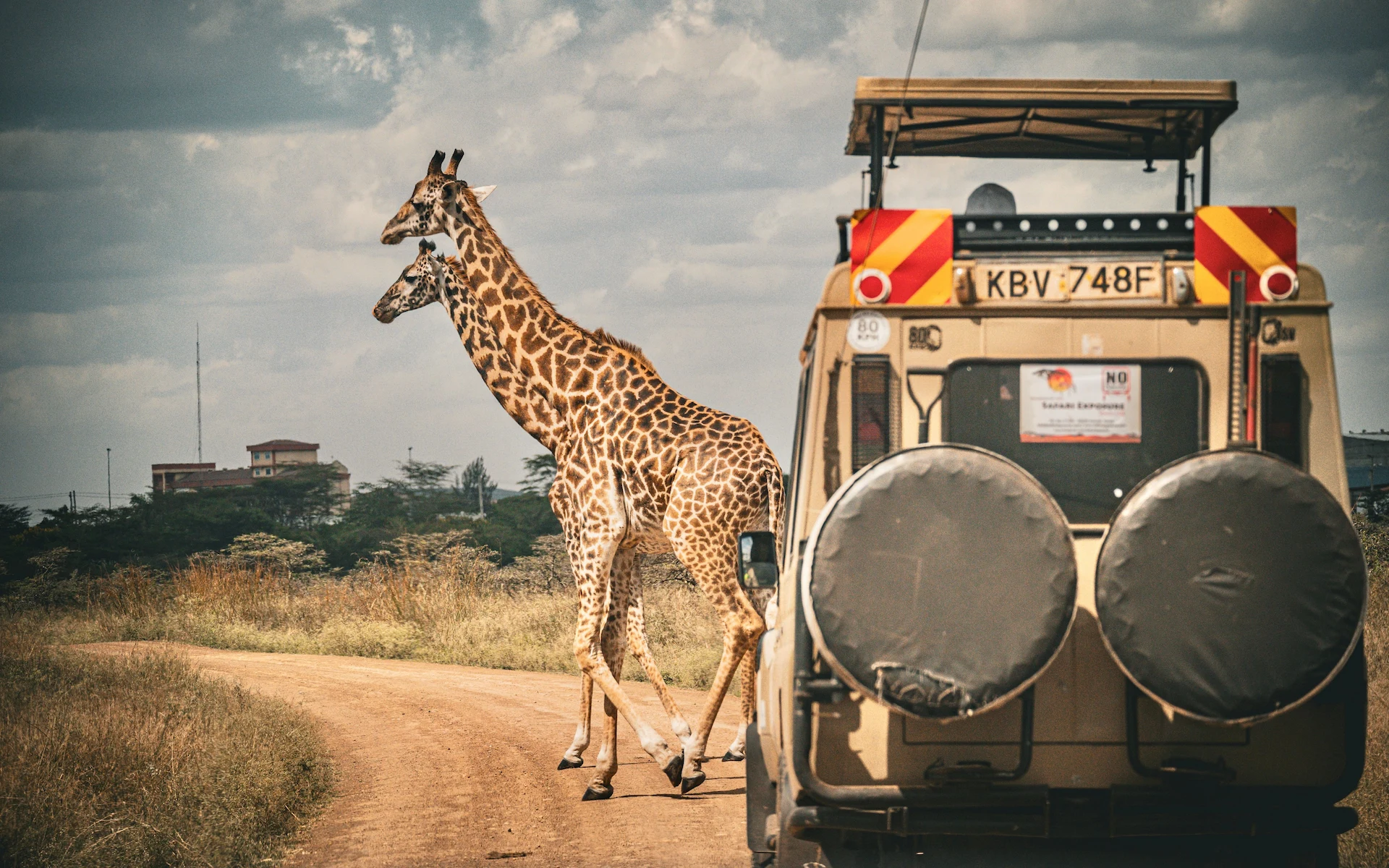
- A private 4x4 with a pop up roof and your own driver guide
- All park entrance and conservation fees
- Accommodation, whether that's camping, a lodge, or a luxury tented camp (confirm which one you're actually booking)
- Full board meals during the safari
- Airport and hotel transfers
- Internal flights, if your route covers multiple parks or both countries
Things that usually get quoted separately:
- Hot air balloon ride over the Serengeti, around $550 to $600 per person
- Guided walking safari, around $150 to $200
- Maasai village visit, around $100 to $150
- A Ngorongoro Crater day trip, if it's not already built in, around $250 to $300
A Sample 6 Day Itinerary
- Day 1: Arrive in Kilimanjaro or Arusha, transfer to Tarangire National Park
- Day 2: Game drives in Tarangire, then transfer to the Ngorongoro Highlands
- Day 3: Game drive on the Ngorongoro Crater floor, then on to Central or Southern Serengeti, depending on the season
- Day 4: Full day tracking the migration, with a picnic lunch out in the field
- Day 5: Another full day in the Serengeti, either at the river crossing area or the calving grounds, depending on when you're there
- Day 6: Morning game drive, then fly back to Arusha for departure
Search Blog
Recent Articles
Machame Route Kilimanjaro: 7-Day Itinerary & Guide
Oct 13, 2026

Ready for an Adventure?
Book your dream safari tour today and experience the wild like never before.
View Tours