



Do You Need Vaccinations for Tanzania? A US Traveler's Complete Guide (2026)
Do You Need Vaccinations for Tanzania? A US Traveler's Complete Guide (2026)
Short answer: if you're flying from the United States straight to Tanzania, you don't need a yellow fever shot to get in. You will, though, be strongly encouraged to protect yourself against a few other diseases — malaria especially — and to make sure your routine vaccines are up to date.
The exact advice depends on your itinerary, recent travel history, health, and how long you'll be in Tanzania. A travel-health appointment several weeks before departure is the best way to get personalized guidance.
Yellow Fever Requirements
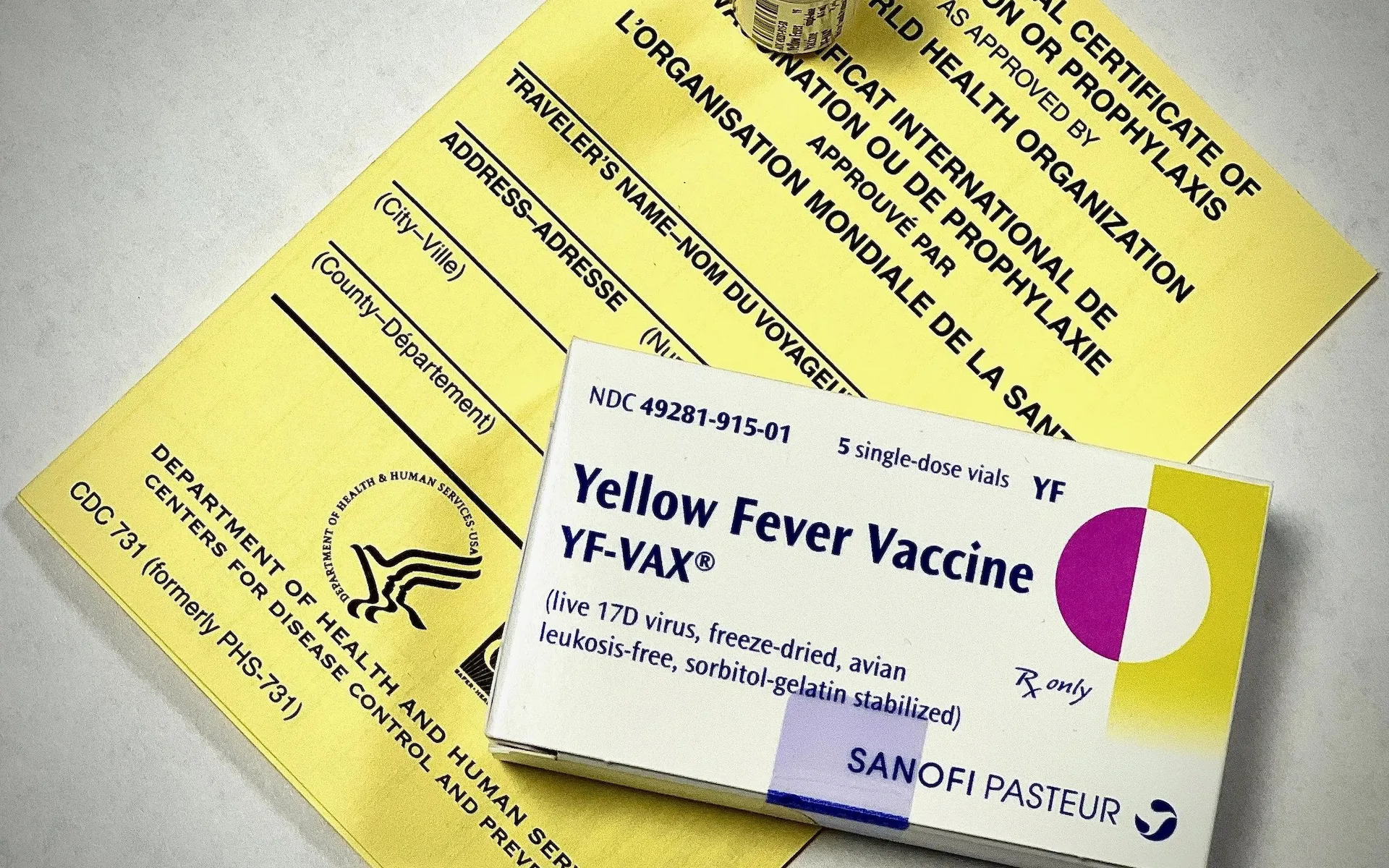
Tanzania generally does not require a yellow fever vaccination certificate from travelers arriving directly from the United States. However, you may need proof of vaccination if you're arriving from, or have recently transited through, a country where yellow fever is present. This can include certain countries in Africa and South America.
The rule can also depend on the length of your transit. A short airport connection may be treated differently from a long layover or an overnight stay, so check your route carefully before departure.
What About Kenya?
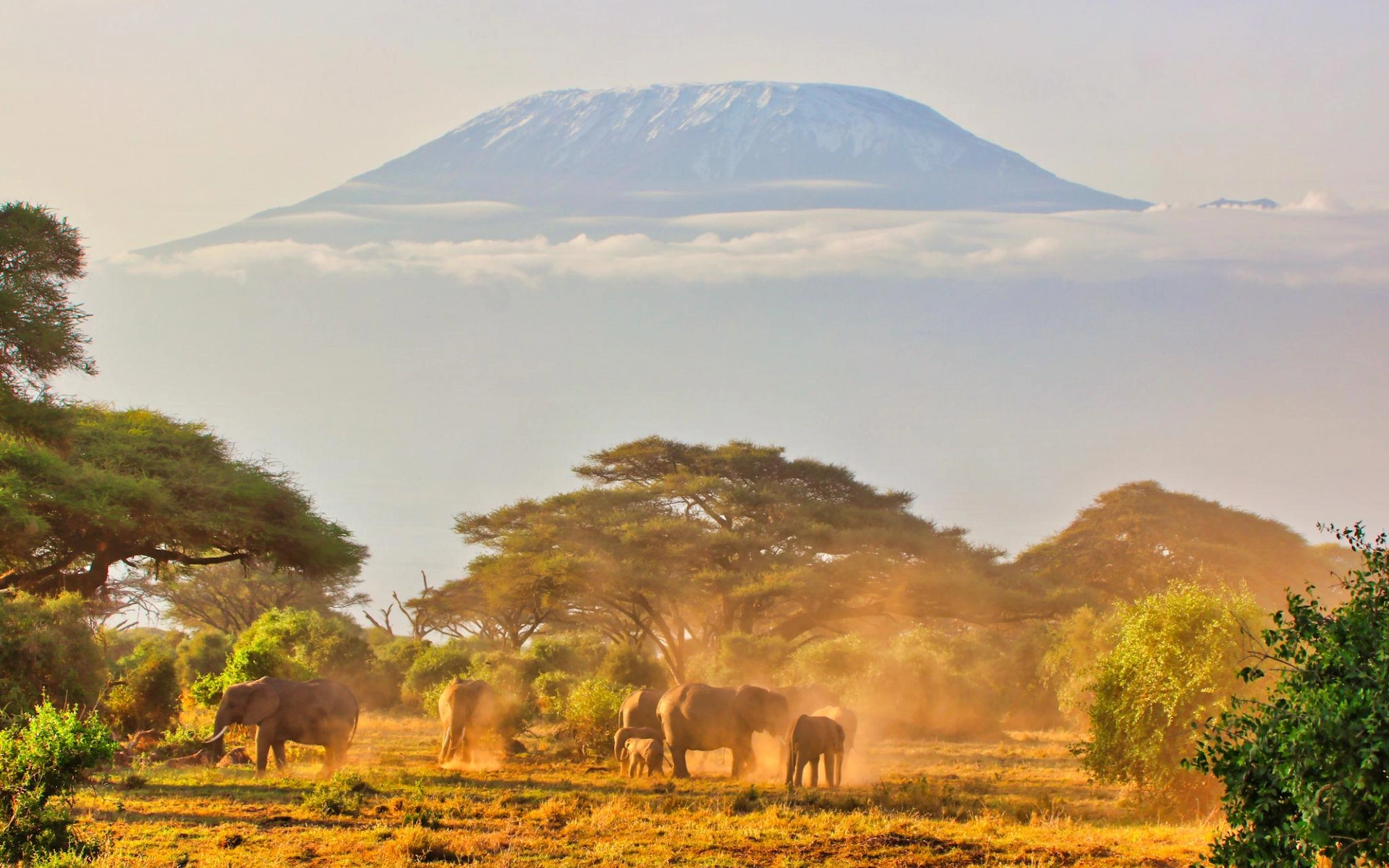
If you're combining a Kenya and Tanzania safari, pay close attention to your itinerary. Kenya itself often doesn't require the vaccine for U.S. citizens flying in from non-endemic countries, but Tanzania may ask for proof if you arrive from Kenya, depending on your travel history and route.
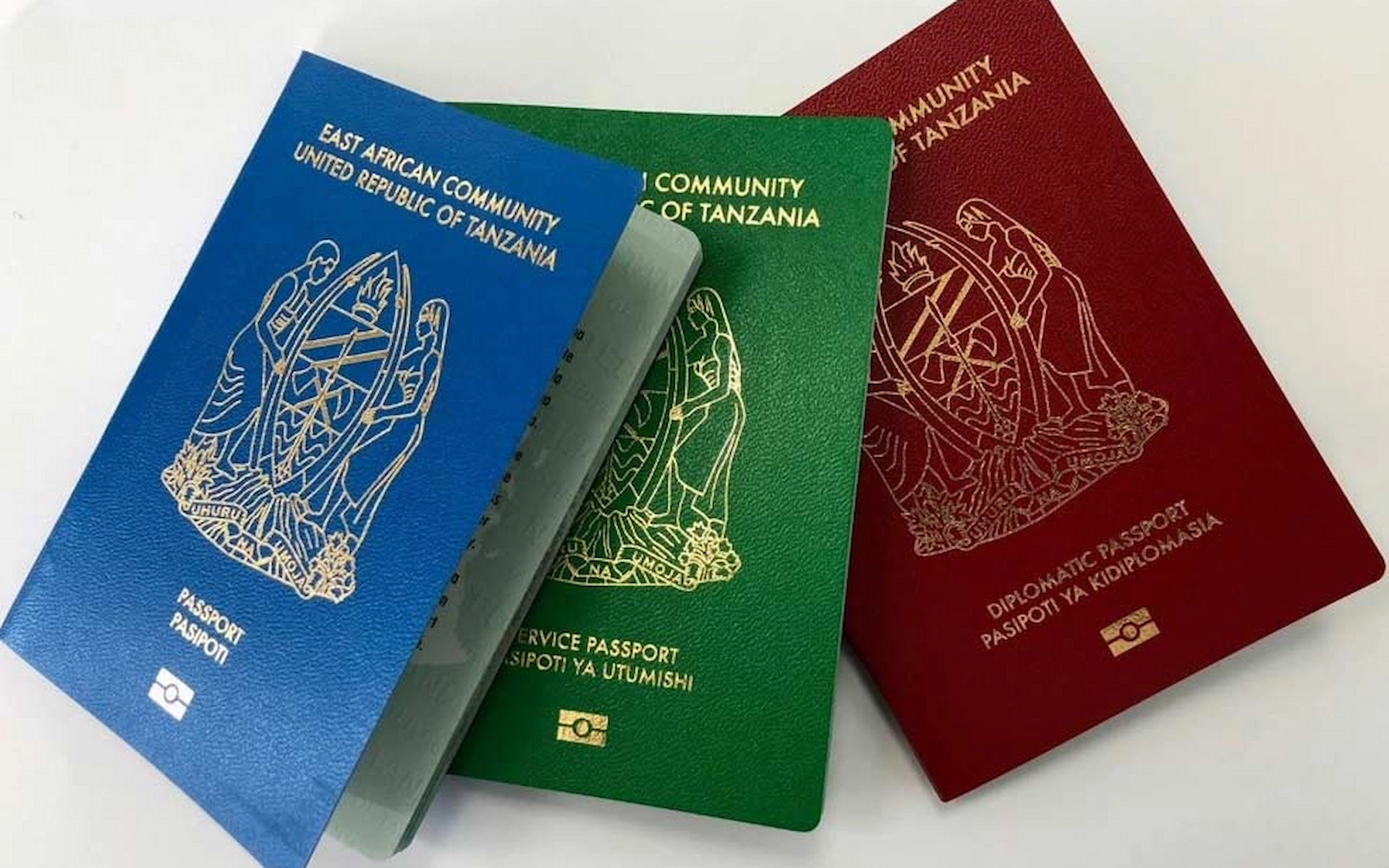
If you need the yellow fever certificate, bring the physical card with your passport. Border officers want to see the card itself, not a photo on your phone.
Can You Get Vaccinated on Arrival?
If you show up without a required certificate, you may be offered vaccination at the entry point for a fee of around 50 USD, and possibly asked to wait for a short period afterward.
This is not something to rely on. It is much easier to arrange the vaccination and certificate before you travel.
Recommended Vaccines for Tanzania
The CDC commonly recommends that travelers make sure their routine vaccinations are current before visiting Tanzania. Depending on your plans, your healthcare provider may also discuss:
- Hepatitis A, recommended for nearly everyone, since it spreads through food and water.
- Hepatitis A, recommended for nearly everyone, since it spreads through food and water.
- Typhoid, recommended for most travelers, especially if you'll be eating locally or spending time in rural areas.
- Hepatitis B, worth considering for longer trips or if there's any chance you'd need medical care while abroad.
- Rabies, worth a conversation if you'll be at remote lodges or camps, or traveling with kids.
- Routine vaccines, including measles, mumps, rubella, tetanus, diphtheria, polio, influenza, and COVID-19, depending on your vaccination history.
Your doctor may recommend additional vaccines based on the activities included in your trip, such as trekking, visiting rural communities, or spending extended periods away from medical facilities.

Malaria Prevention
Malaria is present in most of mainland Tanzania and Zanzibar. There is no widely available malaria vaccine for ordinary travelers. Instead, prevention usually involves prescription antimalarial medication before, during, and after your trip, along with careful protection against mosquito bites.
Your healthcare provider can help you choose the right medicine based on:
- Your health history.
- Your itinerary and destination.
- The length of your trip.
- Possible side effects.
- Your budget and medication preferences.
Use insect repellent, wear long sleeves and trousers after dark, and sleep under a mosquito net or in accommodation with effective screening or air conditioning.
If you're traveling with kids or are pregnant, both vaccines and malaria medication need extra thought, so it's worth booking a pediatric or prenatal travel-health consult before you go.

How Much Do Travel Vaccines Cost?
Prices vary by clinic and insurance, but here's roughly what U.S. travelers typically see paying out of pocket:
- Yellow fever: commonly around 200–400 USD, including the consultation and certificate.
- Hepatitis A: often around 75–200 USD per dose.
- Typhoid: commonly around 50–150 USD.
-
Rabies: potentially several hundred dollars because it requires multiple doses.
-
Rabies: potentially several hundred dollars because it requires multiple doses.
- Travel-health consultation: often around 50–150 USD, depending on the clinic.
Some vaccines require more than one dose, so book your appointment early. Your insurance may cover routine vaccinations, but travel-specific vaccines are not always covered.
How Much Do Travel Vaccines Cost?
Before your trip, make sure you:
-
Check that your routine vaccinations are up to date.
-
Check that your routine vaccinations are up to date.
- Review your itinerary for yellow fever transit requirements.
- Ask a travel-health professional about hepatitis A, typhoid, hepatitis B, and rabies.
- Discuss malaria medication before departure.
- Pack mosquito repellent and suitable clothing.
- Bring your yellow fever certificate if your route requires one.
- Carry prescription medicines in their original packaging.
- Keep important medical information accessible while traveling.
If you need the yellow fever certificate, bring the physical card with your passport. Border officers want to see the card itself, not a photo on your phone.
Planning Your Tanzania Safari?
With the right preparation, you can enjoy Tanzania's incredible wildlife, beautiful landscapes and unforgettable safari experiences. Explore our Tanzania safari packages and let Jairos Adventure help you plan your journey.
Quick Answers
Search Blog
Recent Articles
Zanzibar Travel Guide 2026: The Complete Guide
Sep 01, 2026
What to Wear on a Tanzania Safari
Aug 30, 2026

Ready for an Adventure?
Book your dream safari tour today and experience the wild like never before.
View Tours