

Best Time for Gorilla Trekking
Best Time for Gorilla Trekking in 2026: A Month-by-Month Guide to Uganda, Rwanda & Congo
Quick answer: Mountain gorillas can be tracked 365 days a year; they don't migrate, and sightings are roughly 95%+ successful in every month. The real question isn't when I will see gorillas; it's what trekking conditions I want. The two dry windows — June to September and December to February — offer firmer trails and easier hiking, but also the highest prices and the earliest permit sell-outs. The wet "green" months (March–May and October–November) trade some mud for thinner crowds, lower rates, and lusher scenery.
Below is the full breakdown so you can pick the month that actually fits your budget, fitness level, and rain tolerance, not just the one every other article repeats.
Why "Best Time" Is the Wrong Question (Sort Of)
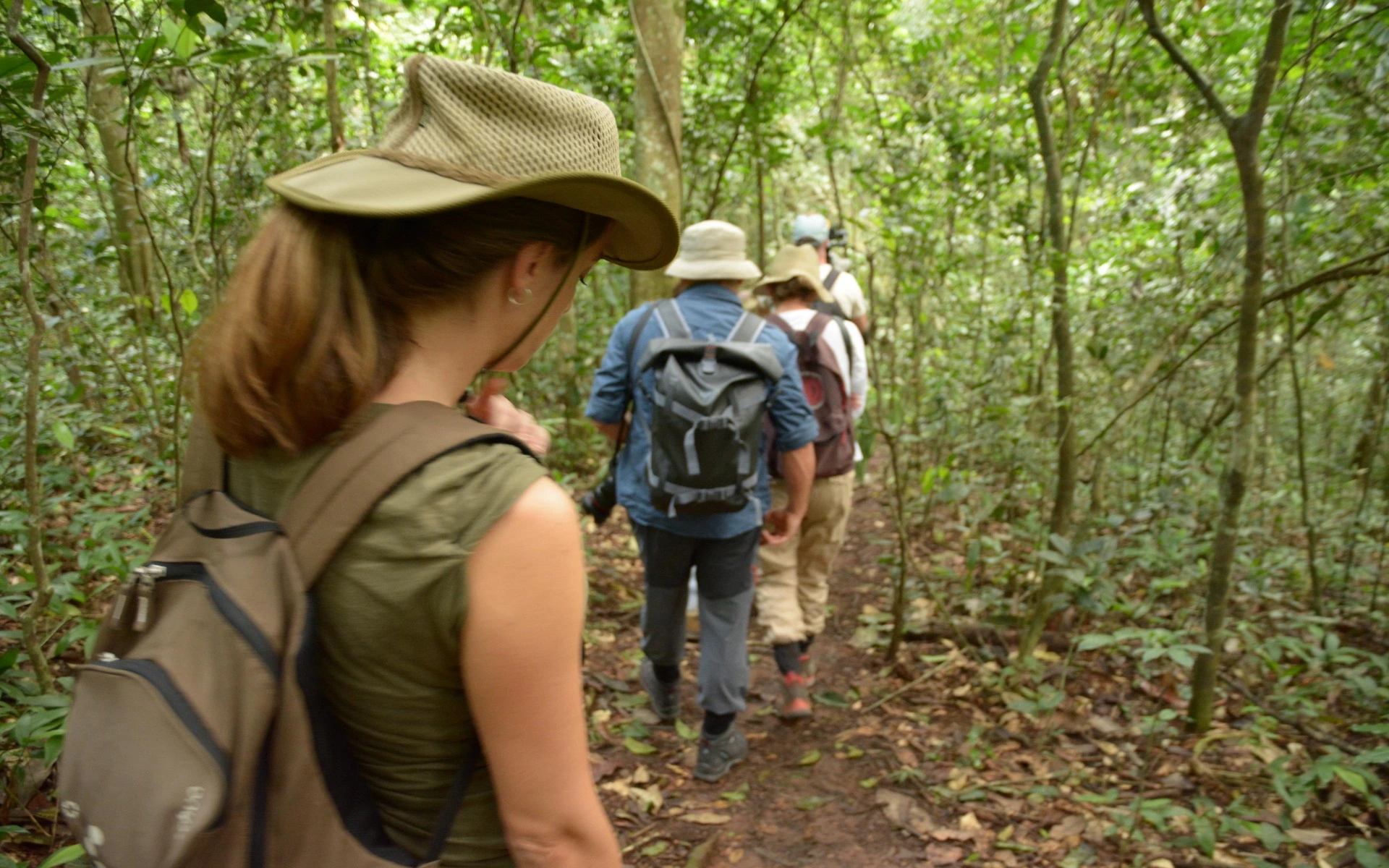
Most articles on this topic treat gorilla trekking like a beach holiday with one "correct" season. That's misleading. Gorilla families live permanently in Bwindi, Mgahinga, Volcanoes, and Virunga National Parks; they aren't seasonal wildlife like migrating wildebeest. Rangers track each family's location daily, so your odds of finding gorillas are consistently high whether you visit in July or April.
What actually changes month to month is:
- Trail conditions — dry dirt versus slick, ankle-deep mud
- Permit availability — dry-season permits vanish months in advance
- Price — Uganda alone swings between $600 and $800 depending on season
- Crowd density — up to 8 trekkers per gorilla family in peak months versus far smaller groups in low season
- Photography light and foliage — greener forest in wet months, clearer visibility in dry ones
Once you know which of these matters most to you, the "best" month becomes obvious.
Month-by-Month Gorilla Trekking Conditions
Month | Season Type | Rainfall | Trail Difficulty |
| Best For | |||
|---|---|---|---|---|---|---|---|---|
January |
|
| Easy–moderate | High | Post-holiday trekkers, clear photos | |||
February |
|
| Easy–moderate | High | Warm, dry hiking before rains build | |||
March |
| High | Hard | Low | Budget travelers, solitude | |||
April | Peak long rains | Very high | Hardest | Lowest | Deep discounts, lush green forest | |||
May | Long rains tapering | High | Hard | Low |
| |||
June |
|
| Easy | Rising | Reliable hiking, wildlife migrations elsewhere in East Africa | |||
July | Peak dry season | Very low | Easiest | Very high | First-time trekkers, families | |||
Row 3, Cell 1 | Row 3, Cell 2 | Row 3, Cell 3 | Row 3, Cell 4 | Row 3, Cell 4 | Row 3, Cell 4 | |||
August | Peak dry season | Very low | Easiest | Very high |
| |||
September | Dry season ending |
| Easy | High |
| |||
October | Short rains begin | Moderate | Moderate | Low–moderate |
| |||
|
| Moderate–high | Moderate–hard | Low |
| |||
December |
|
| Easy–moderate | High |
|
The Two Dry Seasons: Peak Trekking Windows
June–September and December–February are the dry windows across Uganda, Rwanda, and Congo alike, since all three sit near the equator with two rainy and two dry cycles a year.
What you get:
- Firmer, less slippery trails through the forest interior
- Better visibility for photos and easier footing on steep volcanic slopes
- The most predictable travel logistics (roads to Bwindi and Volcanoes NP are far less prone to washing out)
What it costs you:
- Permits (especially Rwanda's limited daily allocation) sell out three to six months ahead
- Lodges raise rates and fill up fastest around these dates
- Larger trekking groups — up to eight visitors per gorilla family
The Wet "Green" Season: The Underrated Alternative
March–May and October–November are quieter, cheaper, and contrary to what many sites imply, still deliver excellent gorilla encounters, since the animals don't relocate based on rainfall.
What you get:
- Noticeably fewer trekkers per group, sometimes closer to three or four instead of eight
- Discounted permits in some periods (Uganda has offered a lower rate in April, May, and November)
- Dramatic, lush scenery and easier last-minute permit availability
What it costs you:
- Muddy, sometimes steep trails that demand more physical effort and proper gaiters/waterproof boots
- A higher chance of a rain-interrupted hike, though treks proceed regardless of weather
- Some remote lodges scale back operations or close briefly
Country-by-Country Notes
Uganda (Bwindi & Mgahinga)
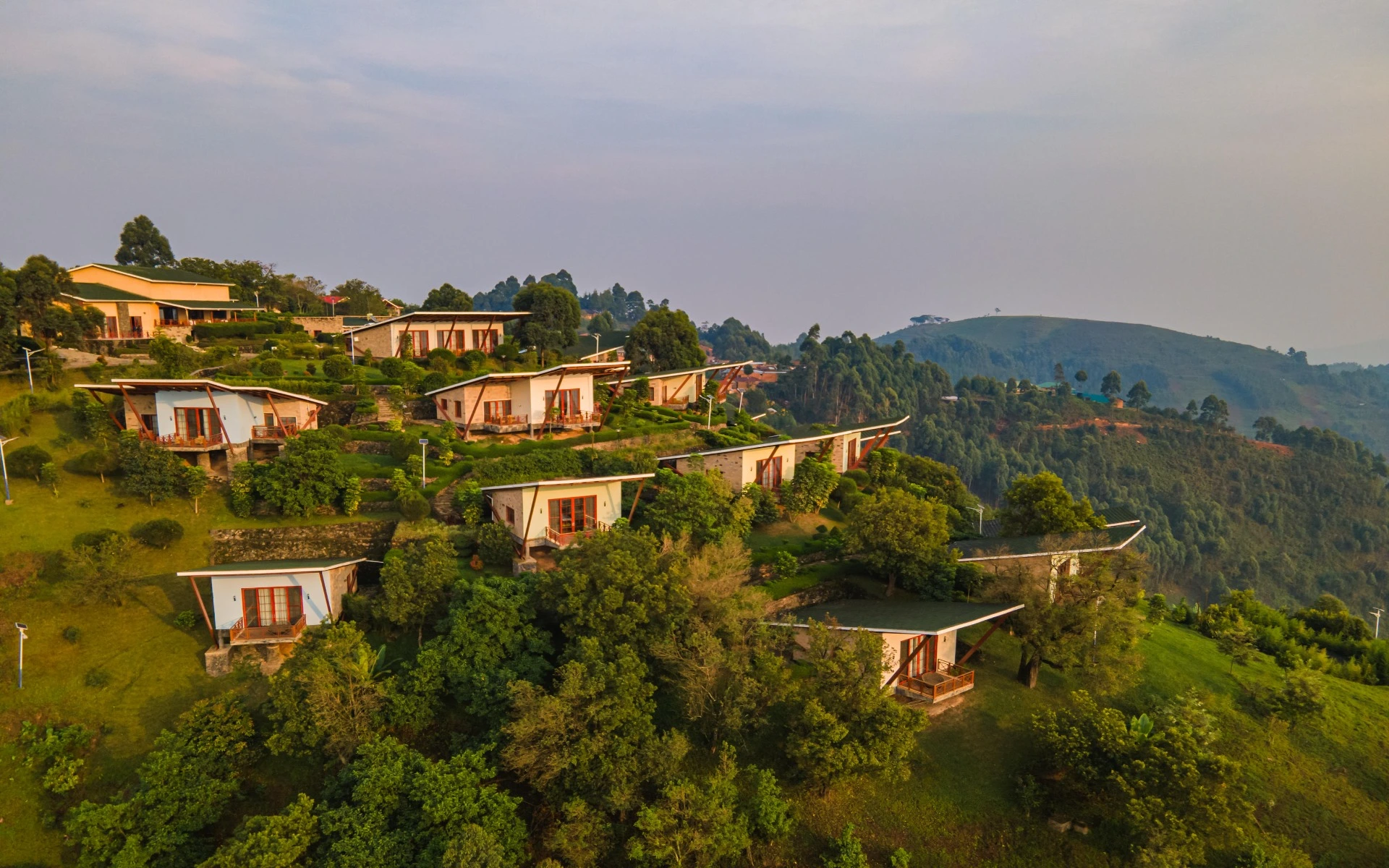
Uganda runs the same two dry/wet cycles as its neighbors but offers by far the most flexibility: roughly 160 daily permits across multiple trekking sectors, versus Rwanda's much smaller allocation. This makes Uganda the easiest country to book on shorter notice, even in the June–September window, and the only one of the three offering a four-hour Gorilla Habituation Experience for photographers and researchers.
Rwanda (Volcanoes National Park)
Rwanda's Volcanoes NP is the most accessible base — under two hours from Kigali International Airport — which is why its dry-season permits are the first to disappear each year. Because Rwanda issues far fewer permits per day, book six or more months ahead for June–September or December–January dates.
DR Congo (Virunga National Park)
Virunga has historically offered the lowest permit price of the three, though security conditions and park access have varied and travelers should verify current operating status before planning a trip. When open, its dry-season pattern mirrors Uganda and Rwanda.
2026 Gorilla Permit Prices at a Glance
Country | Standard Permit (Foreign Non-Resident) | Notes |
|---|---|---|
Uganda | ~$800 (as low as ~$600 in low season) | Bwindi Impenetrable NP & Mgahinga; ~160 permits/day |
Rwanda | ~$1,500 | Volcanoes NP; fixed year-round, no low-season discount |
DR Congo | ~$400 | Virunga NP; confirm current park access before booking |
Permit prices are set by each government and, in Rwanda's case, don't fluctuate by season; the savings there come from lodge rates, not the permit itself. Uganda is the one destination where trekking in the shoulder months can genuinely lower your total trip cost.
How to Choose Your Month: Match Timing to Your Priorities
- Want the easiest possible hike and don't mind crowds or higher prices? Book June–September, ideally 6+ months ahead for Rwanda or 3–4 months ahead for Uganda.
- Traveling over the holidays? December and January offer a genuine dry window with festive-season lodge experiences, though book early for Christmas and New Year dates.
- On a budget or want the forest to yourself? Target April or November — expect mud, but also the lowest crowds and best per-dollar value.
- Prioritizing photography over comfort? The green season's dramatic light and misty forest canopy often outshine dry-season photos, if you're prepared for the trail conditions.
- Booking last-minute? Shoulder months (March, May, October) tend to have leftover permit availability even a few weeks out, unlike July–August.
Frequently Asked Questions
Search Blog
Recent Articles
Zanzibar Travel Guide 2026: The Complete Guide
Sep 01, 2026
What to Wear on a Tanzania Safari
Aug 30, 2026
Ready for an Adventure?
Book your dream safari tour today and experience the wild like never before.
View Tours