


When to Go on Safari in Tanzania: A Season-by-Season Planning Guide
When to Go on Safari in Tanzania: A Season-by-Season Planning Guide
There's no wrong month to visit Tanzania — but there is a right month for what you specifically want to see. A traveler chasing Mara River crossings and a traveler hoping for empty plains and rock-bottom rates should be booking completely different trips. This guide breaks Tanzania's year down by season, by park, and by what you're actually hoping to experience, so you can match your dates to your priorities instead of just defaulting to "dry season."
The Two Seasons That Shape Everything
Tanzania runs on two broad weather patterns:
- Dry season — June to October. Thinning vegetation pushes wildlife toward permanent water sources, making animals far easier to find. This is when the classic safari images come from.
- Wet season — November to May, split into the short rains (November–December, brief afternoon showers) and the long rains (March–May, heavier and more sustained).
But treating the year as just "dry vs. wet" undersells it — several of the best months for wildlife and value fall inside the wet season, and a few dry-season weeks are far busier than others.
Season Snapshot
|
Season |
Months |
Best for |
Trade-off |
|
Peak dry |
July–September |
Mara River crossings, reliable game viewing |
Highest prices, book 6–12 months out |
|
Dry shoulder |
June, October |
Nearly peak-quality viewing, thinner crowds |
Slightly less predictable migration timing |
|
Green/short-rains |
November–December, January–February |
Calving season, birdlife, lush scenery, low prices |
Brief afternoon showers |
|
Long rains |
March–May |
Deep discounts, total solitude |
Some camps close, roads can be tough |
Month-by-Month Cheat Sheet
|
Month |
Weather |
Migration/wildlife highlight |
Crowds |
Value |
|
Jan–Feb |
Hot, brief showers |
Wildebeest calving on the Ndutu plains (southern Serengeti) — intense predator activity |
Low |
Excellent |
|
Mar–Apr |
Heaviest rains |
Quiet parks, dramatic skies, lowest rates of the year |
Very low |
Best of the year |
|
May |
Rains taper off |
Herds begin moving north through central Serengeti |
Very low |
Excellent |
|
Jun |
Dry season begins |
Herds gather at the Grumeti River before crossing |
Moderate |
Very good |
|
Jul–Aug |
Dry, cool nights |
Mara River crossings — peak Great Migration drama |
Very high |
Premium, book early |
|
Sep |
Dry, easing crowds |
River crossings continue; fewer vehicles than August |
High |
Premium |
|
Oct |
Warming toward rains |
Tarangire's elephant herds at their best; Mahale chimp tracking |
Moderate |
Good |
|
Nov |
Short rains begin |
Migratory birds arrive; landscape turns green |
Low |
Excellent |
|
Dec |
Hot, mostly dry |
Quiet until mid-month, then a festive-season spike |
Low, then high |
Varies |
Where the Great Migration Actually Is, Month by Month
The "Great Migration" isn't a single event with one correct month — it's a continuous, roughly 1,000-mile circuit the herds walk every year. Where you should be depends on which phase you want to see:
- January–March: Calving season on the short-grass plains of the southern Serengeti/Ndutu — the single most predator-dense window of the year.
- April–May: Herds start pushing north through the central Serengeti as the grass thins.
- June: Concentration builds at the Grumeti River in the western corridor ahead of the first crossings.
- July–September: The northern Serengeti and Mara River — this is the crossing footage you've seen in documentaries, and it's the most-visited window of the year by a wide margin.
- October–December: Herds drift back south again, resetting the cycle.
Best Time by Park (Not Every Park Peaks Together)
Tanzania's parks don't all follow the same calendar, and this is where a lot of general "best time" advice falls short:
|
Park |
Peak window |
Why |
|
Serengeti (north) |
July–September |
Mara River crossings |
|
Serengeti (south/Ndutu) |
January–March |
Calving season |
|
Ngorongoro Crater |
Year-round |
Resident wildlife, less season-dependent than open plains |
|
Tarangire |
June–October |
Elephant herds concentrate along the river |
|
Lake Manyara |
November–May |
Best birdlife, flamingos on the lake |
|
Nyerere & Ruaha (south) |
June–October |
Southern circuit is far more dry-season dependent than the north |
|
Mahale (chimp tracking) |
July–October |
Drier trails, easier trekking |
Matching the Calendar to Your Priority
|
If your priority is... |
Aim for |
|
Mara River crossings |
July–September |
|
Wildebeest calving & predator action |
January–February |
|
Lowest prices / fewest other vehicles |
March–May |
|
Good value without sacrificing much |
June, or October–November |
|
Birdwatching |
November–February |
|
Kilimanjaro climbing |
January–February or June–September |
|
Zanzibar beach combo |
June–October (driest coastal weather) |
|
Traveling with school-age kids |
July–August, December |
Booking Timing Matters as Much as the Season
- Peak months (July–September) sell out early. The best northern Serengeti camps are frequently fully booked 9–12 months in advance — this is the one season where "just wing it" genuinely doesn't work.
- Calving season is underbooked relative to how good it is. January–February delivers some of the most intense predator sightings of the year at a fraction of peak-season prices, simply because fewer travelers think to ask about it.
- The long rains reward flexibility, not rigidity. If your dates are movable and mud doesn't bother you, March–May is where the real bargains live — but confirm which camps stay open, since some close entirely.
- No single park works for every month. A well-planned northern-circuit itinerary often moves between 2–3 parks specifically to follow where the wildlife concentration is strongest that month — worth discussing with your operator rather than fixing your route before your dates.
Quick Answers
What's genuinely the best month for a Tanzania safari? There isn't one universal answer — July–September for river crossings, January–February for calving and value, June or October for a strong middle ground.
Is the wet season worth visiting at all? Yes, especially November and early December — lush scenery, strong birdlife, and noticeably lower rates, with only brief afternoon rain.
How far ahead should I book for peak season? 6–12 months for July–September, particularly for northern Serengeti camps.
Can I see the Great Migration any time of year? You can see the herds year-round somewhere in the ecosystem, but the dramatic river crossings are specifically a July–September event.
Not sure which months fit your trip, budget, and must-see list? Jairos Adventure builds itineraries around the current wildlife calendar rather than a fixed template — get a free quote and we'll tell you honestly whether your dates line up with what you want to see.
When to Go on Safari in Tanzania: A Season-by-Season Planning Guide
There's no wrong month to visit Tanzania — but there is a right month for what you specifically want to see. A traveler chasing Mara River crossings and a traveler hoping for empty plains and rock-bottom rates should be booking completely different trips. This guide breaks Tanzania's year down by season, by park, and by what you're actually hoping to experience, so you can match your dates to your priorities instead of just defaulting to "dry season."
The Two Seasons That Shape Everything
Tanzania runs on two broad weather patterns:
- Dry season — June to October. Thinning vegetation pushes wildlife toward permanent water sources, making animals far easier to find. This is when the classic safari images come from.
- Wet season — November to May, split into the short rains (November–December, brief afternoon showers) and the long rains (March–May, heavier and more sustained).
But treating the year as just "dry vs. wet" undersells it — several of the best months for wildlife and value fall inside the wet season, and a few dry-season weeks are far busier than others.
Season Snapshot
Season | Months | Best for | Trade-off |
Peak dry | July–September | Mara River crossings, reliable game viewing | Highest prices, book 6–12 months out |
Dry shoulder | June, October | Nearly peak-quality viewing, thinner crowds | Slightly less predictable migration timing |
Green/short-rains | November–December, January–February | Calving season, birdlife, lush scenery, low prices | Brief afternoon showers |
Long rains | March–May | Deep discounts, total solitude | Some camps close, roads can be tough |
Month-by-Month Cheat Sheet
Month | Weather | Migration/wildlife highlight | Crowds | Value |
Jan–Feb | Hot, brief showers | Wildebeest calving on the Ndutu plains (southern Serengeti) — intense predator activity | Low | Excellent |
Mar–Apr | Heaviest rains | Quiet parks, dramatic skies, lowest rates of the year | Very low | Best of the year |
May | Rains taper off | Herds begin moving north through central Serengeti | Very low | Excellent |
Jun | Dry season begins | Herds gather at the Grumeti River before crossing | Moderate | Very good |
Jul–Aug | Dry, cool nights | Mara River crossings — peak Great Migration drama | Very high | Premium, book early |
Sep | Dry, easing crowds | River crossings continue; fewer vehicles than August | High | Premium |
Oct | Warming toward rains | Tarangire's elephant herds at their best; Mahale chimp tracking | Moderate | Good |
Nov | Short rains begin | Migratory birds arrive; landscape turns green | Low | Excellent |
Dec | Hot, mostly dry | Quiet until mid-month, then a festive-season spike | Low, then high | Varies |
Where the Great Migration Actually Is, Month by Month
The "Great Migration" isn't a single event with one correct month — it's a continuous, roughly 1,000-mile circuit the herds walk every year. Where you should be depends on which phase you want to see:
- January–March: Calving season on the short-grass plains of the southern Serengeti/Ndutu — the single most predator-dense window of the year.
- April–May: Herds start pushing north through the central Serengeti as the grass thins.
- June: Concentration builds at the Grumeti River in the western corridor ahead of the first crossings.
- July–September: The northern Serengeti and Mara River — this is the crossing footage you've seen in documentaries, and it's the most-visited window of the year by a wide margin.
- October–December: Herds drift back south again, resetting the cycle.
Best Time by Park (Not Every Park Peaks Together)
Tanzania's parks don't all follow the same calendar, and this is where a lot of general "best time" advice falls short:
Park | Peak window | Why |
Serengeti (north) | July–September | Mara River crossings |
Serengeti (south/Ndutu) | January–March | Calving season |
Ngorongoro Crater | Year-round | Resident wildlife, less season-dependent than open plains |
Tarangire | June–October | Elephant herds concentrate along the river |
Lake Manyara | November–May | Best birdlife, flamingos on the lake |
Nyerere & Ruaha (south) | June–October | Southern circuit is far more dry-season dependent than the north |
Mahale (chimp tracking) | July–October | Drier trails, easier trekking |
Matching the Calendar to Your Priority
If your priority is... | Aim for |
Mara River crossings | July–September |
Wildebeest calving & predator action | January–February |
Lowest prices / fewest other vehicles | March–May |
Good value without sacrificing much | June, or October–November |
Birdwatching | November–February |
Kilimanjaro climbing | January–February or June–September |
Zanzibar beach combo | June–October (driest coastal weather) |
Traveling with school-age kids | July–August, December |
Booking Timing Matters as Much as the Season
- Peak months (July–September) sell out early. The best northern Serengeti camps are frequently fully booked 9–12 months in advance — this is the one season where "just wing it" genuinely doesn't work.
- Calving season is underbooked relative to how good it is. January–February delivers some of the most intense predator sightings of the year at a fraction of peak-season prices, simply because fewer travelers think to ask about it.
- The long rains reward flexibility, not rigidity. If your dates are movable and mud doesn't bother you, March–May is where the real bargains live — but confirm which camps stay open, since some close entirely.
- No single park works for every month. A well-planned northern-circuit itinerary often moves between 2–3 parks specifically to follow where the wildlife concentration is strongest that month — worth discussing with your operator rather than fixing your route before your dates.
Quick Answers
What's genuinely the best month for a Tanzania safari? There isn't one universal answer — July–September for river crossings, January–February for calving and value, June or October for a strong middle ground.
Is the wet season worth visiting at all? Yes, especially November and early December — lush scenery, strong birdlife, and noticeably lower rates, with only brief afternoon rain.
How far ahead should I book for peak season? 6–12 months for July–September, particularly for northern Serengeti camps.
Can I see the Great Migration any time of year? You can see the herds year-round somewhere in the ecosystem, but the dramatic river crossings are specifically a July–September event.
Not sure which months fit your trip, budget, and must-see list? Jairos Adventure builds itineraries around the current wildlife calendar rather than a fixed template — get a free quote
- Kilimanjaro, Tanzania: Permanent glaciers year-round, with the best fresh snowfall from November to May. The most popular climbing windows are January–February and June–October.
- Atlas Mountains, Morocco: Snow season runs November to April. January and February are the snowiest months, and the ski resort operates from around December to March.
- Drakensberg and Lesotho: May to September (southern hemisphere winter) is the reliable snow window, with June and July typically the snowiest months.
- Simien Mountains, Ethiopia: November to February for the best chance of seeing snow on the high peaks.
- Mount Kenya and Rwenzori: Permanent glaciers year-round, with the best trekking in January–February and July–August during drier periods.
Experience Snow in Africa for Yourself — Climb Kilimanjaro With Jairos Adventure
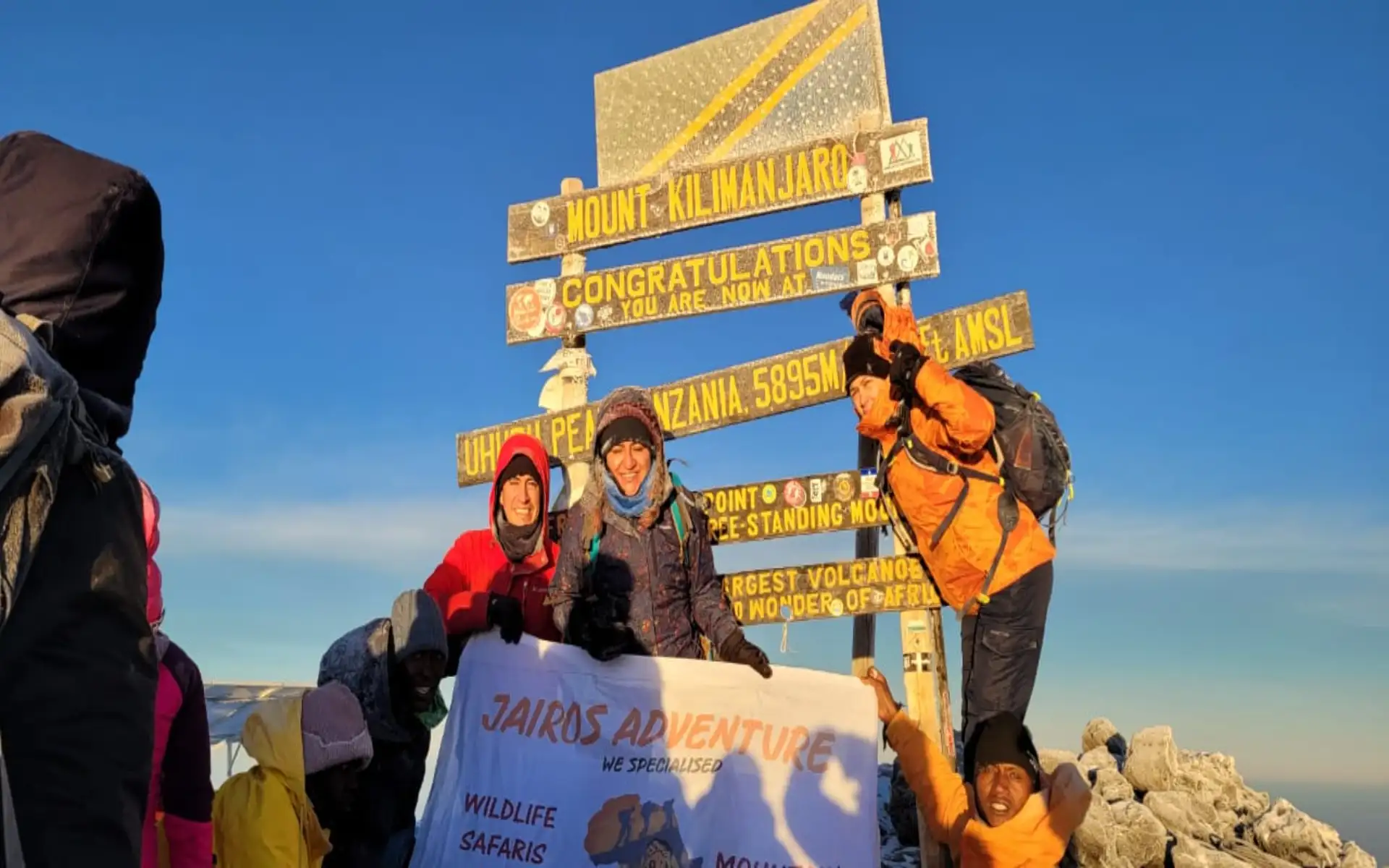
For many travellers, the most powerful way to experience snow in Africa is to stand on the roof of the continent. When you summit Mount Kilimanjaro, you are not just ticking off a bucket list you are walking across glaciers that have existed for nearly 12,000 years, witnessing one of the world’s great natural wonders up close.
At Jairos Adventure, we have been guiding climbers from around the world to the summit since 2017. Our team of experienced local guides knows every route, every weather pattern, and every challenge Kilimanjaro can throw at you. We keep our groups small, pay our porters fairly, and put your safety above everything else.
Whether you choose the popular Machame Route, the scenic Lemosho Route, or the remote Northern Circuit, we will prepare you fully and give you the best possible chance of reaching the top and seeing those glaciers for yourself.
Search Blog
Recent Articles
Zanzibar Travel Guide 2026: The Complete Guide
Sep 01, 2026
What to Wear on a Tanzania Safari
Aug 30, 2026

Ready for an Adventure?
Book your dream safari tour today and experience the wild like never before.
View Tours