
When most people think of Africa, images of scorching deserts, tropical rainforests, and sun-drenched savannas come to mind. The concept of snow in Africa seems almost contradictory to the popular perception of this vast continent. However, the reality is far more fascinating and diverse than stereotypes suggest. Yes, snow does fall in Africa, and more frequently than you might imagine. From year-round glaciers on equatorial mountains to seasonal winter wonderlands in southern regions, the continent offers surprising snowy destinations that challenge everything you thought you knew about African geography.
Africa’s position straddling the equator creates unique climatic conditions across its 54 countries. While approximately 60% of the continent consists of deserts and drylands, specific geographical features make snowfall not only possible but regular in certain areas.
Why Does It Snow in Africa?
Snow formation requires specific atmospheric conditions that exist in several African regions:
High-Altitude Mountains: Elevation is the primary factor enabling snow in Africa. Mountains rising above 4,000 meters (13,123 feet) create alpine climates where temperatures drop below freezing, regardless of latitude.
Climate Zones: Africa encompasses multiple climate zones, from Mediterranean conditions in the north and south to tropical equatorial regions. This diversity means the continent experiences winter in different hemispheres simultaneously.
Weather Systems: Cold fronts from Europe affect North Africa, while the Southern Ocean influences South Africa’s winter weather. These systems bring the moisture and low temperatures necessary for snowfall.
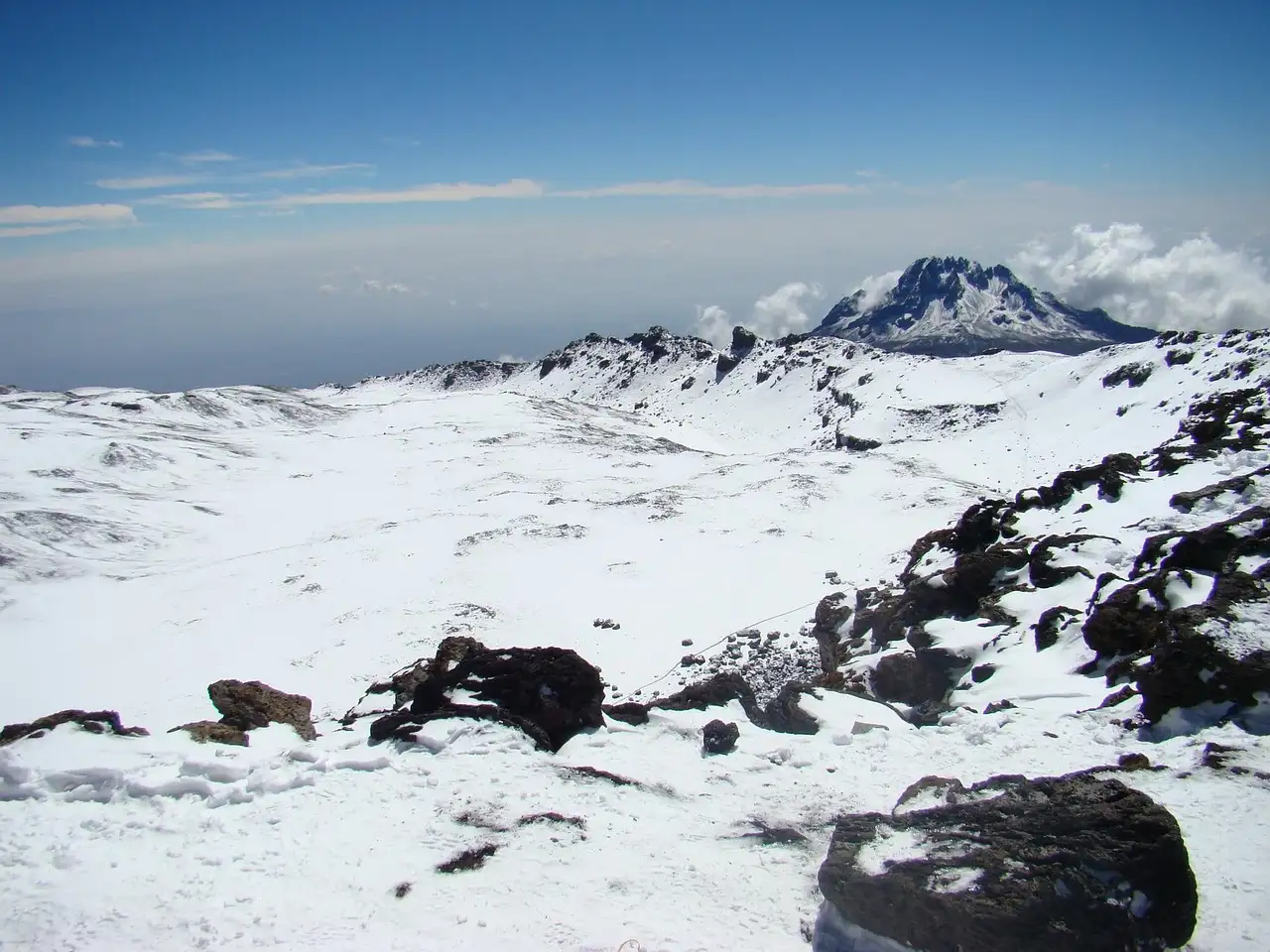
When most people think of Africa, they imagine vast savannas, scorching deserts, and tropical rainforests. Snow rarely enters the picture. However, this continent of diverse climates defies expectations with several remarkable locations where snow falls regularly, creating stunning winter landscapes that rival those found anywhere in the world. From towering volcanic peaks near the equator to expansive mountain ranges stretching across multiple countries, Africa’s snowy destinations offer unique experiences for adventurers, skiers, and nature enthusiasts alike.
Mount Kilimanjaro, Tanzania
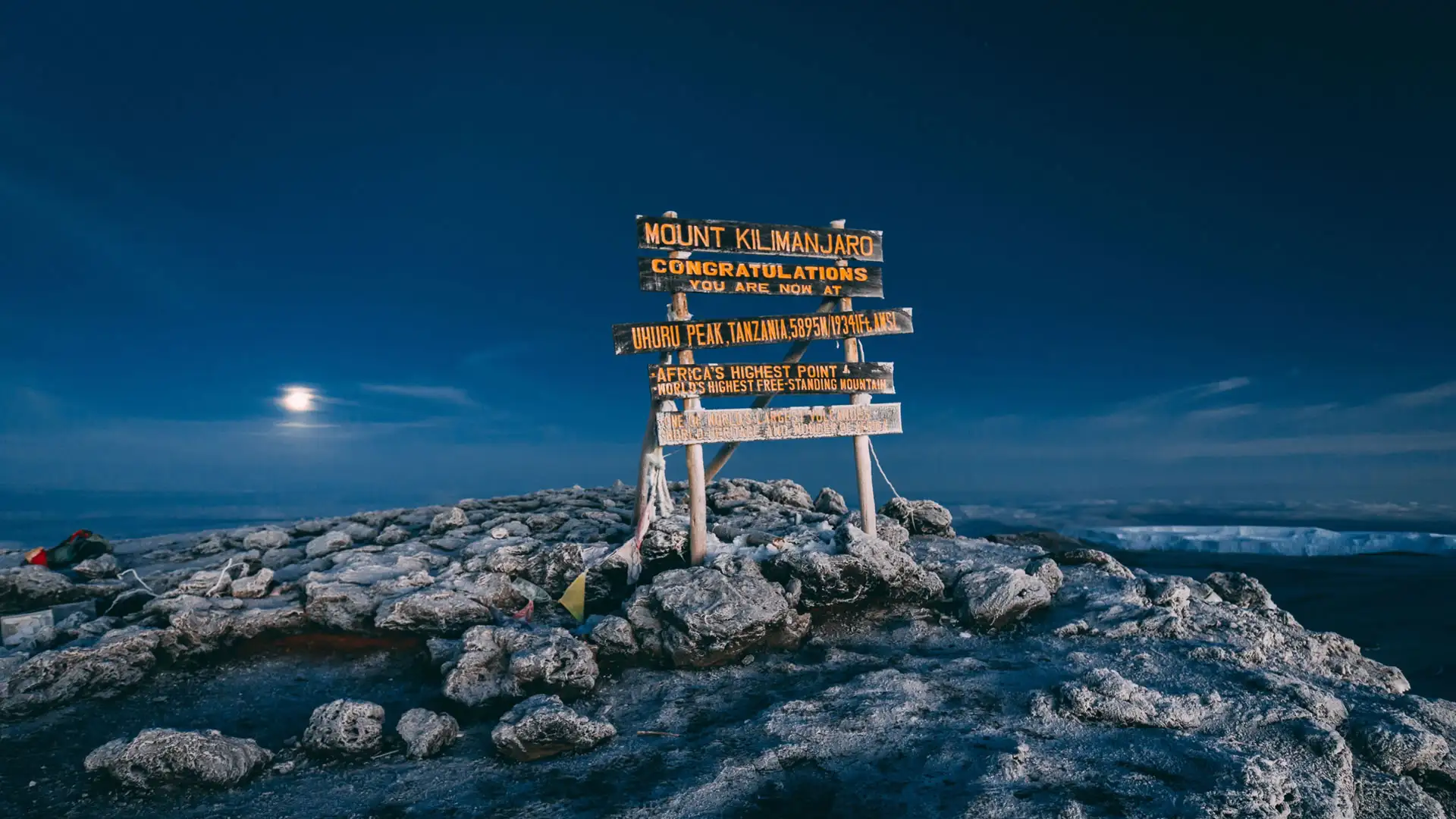
Mount Kilimanjaro stands as Africa’s most iconic snow-covered destination and one of the continent’s most recognizable natural landmarks. Rising majestically to 5,895 meters (19,341 feet), this dormant volcano maintains year-round snow and glaciers despite its location just 330 kilometers south of the equator. This geographical paradox demonstrates how altitude can overcome latitude in creating alpine conditions, making Kilimanjaro a fascinating subject for climatologists and a bucket-list destination for mountaineers worldwide.
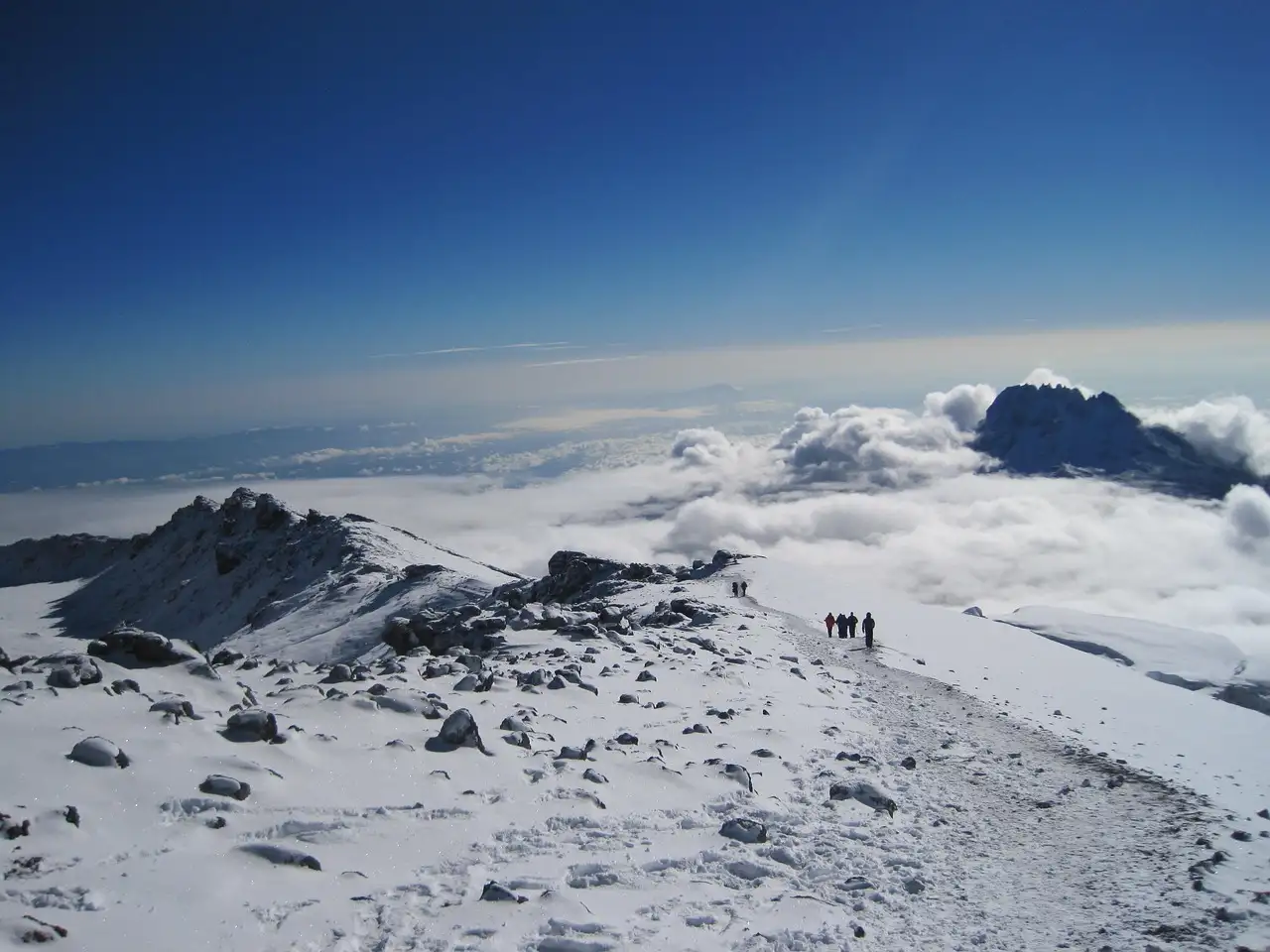
The best time to witness Kilimanjaro’s snow-capped summit is between June and October, when visibility is at its peak and the weather conditions are most favorable for climbing. However, snow persists year-round at the summit, with December bringing particularly significant snowfall accompanied by extremely cold temperatures. The mountain presents climbers with one of the world’s most dramatic temperature transitions, with base temperatures ranging from 21-27°C (70-81°F) in comfortable tropical warmth, while Uhuru Peak nighttime temperatures plunge to a bone-chilling -7°C to -29°C (-20°F). This means climbers must prepare for all weather conditions imaginable, experiencing tropical heat and arctic cold within a single day’s journey. Unfortunately, Kilimanjaro’s glaciers face an uncertain future. Since 1912, the mountain has lost over 80% of its ice cover due to climate change, serving as a visible reminder of global environmental challenges. Scientists predict the complete disappearance of these ancient glaciers within decades if current trends continue, making present-day visits all the more precious for those hoping to witness this natural wonder in its icy glory.
Mount Kenya, Kenya
Africa’s second-highest peak at 5,199 meters (17,057 feet) features eleven distinct glaciers and receives regular snowfall throughout much of the year. Located just south of the equator near the town of Nanyuki, Mount Kenya provides another striking example of how altitude trumps latitude in creating snow conditions. This mountain has long been revered by local communities and continues to captivate visitors with its jagged peaks, pristine glaciers, and unique high-altitude ecosystem. Snowfall on Mount Kenya typically occurs from March to December during the rainy season, appearing at elevations above 4,300 meters (14,108 feet). During the dry seasons from January to February and July to October, snowfall becomes minimal, but these periods offer more stable weather conditions and excellent visibility of the existing glaciers. This makes the dry seasons particularly popular among mountaineers and photographers seeking clear views of the mountain’s spectacular ice formations.
The mountain’s ecological and geological significance has earned it recognition as a UNESCO World Heritage Site through Mount Kenya National Park. The park attracts not only climbers and tourists but also researchers from around the world who study tropical glacier behavior and climate change impacts. These scientists work to understand how equatorial glaciers respond to changing global conditions, making Mount Kenya an important natural laboratory for climate science.
Atlas Mountains, Morocco, Algeria, and Tunisia
The Atlas Mountains receive the highest snowfall volumes in all of Africa, with precipitation occurring from September through June in a prolonged winter season that would surprise many who think of North Africa as perpetually warm. This extensive mountain range stretches across Morocco, Algeria, and Tunisia, creating a natural barrier between the Mediterranean coast and the Sahara Desert. The High Atlas region in Morocco stands out as particularly renowned for its heavy snowfall and dramatic alpine scenery.
Mount Toubkal, reaching 4,167 meters (13,671 feet), claims the title of North Africa’s highest peak and maintains substantial snow cover from November to April, with snow sometimes persisting at the summit until June. The mountain and surrounding peaks create a winter wonderland that has enabled the development of winter sports infrastructure in an unexpected location. Morocco hosts three operational ski resorts, including Oukaimeden in the High Atlas Mountains, which has earned recognition as one of Africa’s premier winter sports destinations, attracting skiers and snowboarders from across Europe and beyond. Perhaps most remarkably, the Atlas Mountains’ influence occasionally extends even to the desert fringes. The Algerian town of Ain Sefra, known poetically as the “gateway to the desert,” experienced rare snowfall in December 2016—the first such event since February 1979. This unusual occurrence captured global attention when orange Saharan dunes were temporarily blanketed in white, creating surreal photographs that went viral on social media. The event served as a reminder that even in Africa’s most arid regions, nature can deliver surprises.
Rwenzori Mountains, Uganda and Democratic Republic of Congo
Known by the evocative name “Mountains of the Moon,” the Rwenzori range features Africa’s most permanent snowfields and some of its most mystical landscapes. Mount Stanley’s Margherita Peak reaches 5,109 meters (16,763 feet), supporting year-round glaciers that are maintained by the region’s extraordinary 300 annual rain days. This combination of high altitude and abundant precipitation creates conditions unlike anywhere else on the continent, where tropical and arctic environments exist in remarkable proximity.
Dense tropical rainforest surrounds the Rwenzori Mountains, creating dramatic contrasts between lush jungle valleys teeming with exotic wildlife and icy peaks that gleam white against blue skies. Morning mists frequently obscure the mountains, revealing them only in moonlight—a phenomenon that inspired ancient explorers to dub them the “Mountains of the Moon.” This atmospheric quality adds to their mystique and can make glimpsing the snow-covered peaks feel like a rare privilege. For those planning to trek in the Rwenzoris, December through March offers the clearest skies and less muddy trekking paths, though the trails remain challenging regardless of season. Climbers attempting to reach the glaciated peaks need specialized mountaineering gear for navigating icy terrain year-round, as the glaciers and snowfields present technical challenges that require proper equipment and experience.
Drakensberg Mountains, South Africa and Lesotho
The Drakensberg range, whose name means “Dragon Mountains” in Afrikaans, stretches impressively across eastern South Africa into the mountain kingdom of Lesotho. With elevations ranging between 2,000 and 3,482 meters (6,562-11,424 feet), these ancient mountains form one of southern Africa’s most spectacular natural features and provide reliable winter snowfall in a region otherwise known for warm weather. Winter snowfall arrives consistently from June through August, particularly in the central and northern regions of the range. Higher elevations can accumulate several inches of snow that may last for days or even weeks, transforming the landscape into a winter wonderland and providing rare snow play opportunities for South African families. The mountains become especially popular during these months as locals and tourists alike seek out the unusual experience of snow in Africa.
Tiffindell Ski Resort operates as South Africa’s only commercial ski facility in the Drakensberg, offering skiing and snowboarding when conditions permit. While the season may be shorter and less reliable than resorts in traditional skiing destinations, it provides an extraordinary opportunity to ski on the African continent. Meanwhile, neighboring Lesotho claims an even stronger connection to snow and winter sports. Lesotho has earned the nickname “The Kingdom in the Sky” due to its unique geography—the entire country sits almost entirely above 1,800 meters in elevation, making it the only nation in the world with such a distinction. The Maluti Mountains, which dominate Lesotho’s landscape, receive five to ten snowfalls annually, with snow cover lasting up to ten days during mid-winter. This has enabled the development of Afriski Mountain Resort, which provides another skiing option on the continent and has become a source of national pride for Lesotho, attracting visitors from neighboring countries eager to experience snow without leaving southern Africa.
Simien Mountains, Ethiopia
The Simien Mountains of Ethiopia form part of a UNESCO World Heritage Site recognized for dramatic cliffs, rare endemic wildlife, and snow-capped peaks that appear during the coldest months of the year. Ras Dashen, Ethiopia’s highest peak at 4,550 meters, receives light but reliable snow between December and February at elevations above 4,200 meters. While the snowfall here may not match the volume seen in the Atlas or Drakensberg ranges, it adds a magical quality to an already spectacular landscape. What makes the Simien Mountains particularly special is their unique wildlife that has adapted to these cold alpine conditions. The critically endangered Ethiopian wolf, found nowhere else on Earth, roams these high-altitude grasslands, as does the equally rare Walia ibex, a wild goat species endemic to these mountains. This offers visitors an extraordinary opportunity to observe snow-adapted African wildlife in their natural habitat—a combination found nowhere else on the continent. Watching these remarkable animals against a backdrop of snow-dusted peaks creates unforgettable memories for wildlife enthusiasts and photographers.
Rare Urban Snowfall: Johannesburg, South Africa
While mountain snowfall in Africa follows predictable patterns based on altitude and season, urban snow events remain rare and newsworthy. Johannesburg, South Africa’s largest city, occasionally surprises its residents with snow, creating widespread excitement and disruption in equal measure. The city’s elevation of approximately 1,750 meters makes these events possible, though they remain uncommon enough to be memorable for generations.
Johannesburg experienced significant snowfall in May 1956, August 1962, June 1964, and September 1981, with each event becoming part of local lore. More recently, June 2007 brought substantial snow that accumulated over four inches in the southern suburbs, causing traffic chaos and school closures while delighting children who had never seen snow before. August 2012 saw another noteworthy snowfall that blanketed parts of the city and surrounding areas. These rare events transform the urban landscape, with residents rushing outside to photograph the unprecedented sight of snow-covered streets, buildings, and gardens in what is typically a mild winter climate.
Africa’s snowy destinations challenge common perceptions and reveal the continent’s remarkable climatic diversity. From the glaciers of Kilimanjaro and Mount Kenya near the equator to the ski resorts of Morocco and Lesotho, from the mystical Rwenzoris to the dramatic Simien Mountains, snow in Africa tells a story of altitude overcoming latitude and nature’s ability to create extraordinary conditions in unexpected places. Whether you’re a mountaineer seeking challenging peaks, a skier looking for unique slopes, or simply someone who appreciates nature’s diversity, Africa’s snow-covered locations offer experiences that few expect but many find unforgettable. As climate change continues to affect these fragile environments, visiting these snowy African destinations becomes not just an adventure but an opportunity to witness natural wonders that may not exist in their current form for future generations.
From morning to afternoon, guests often consider how long the Kilimanjaro Safari is when planning their schedules. Understanding how long the Kilimanjaro Safari is is vital for optimizing your visit to Disney’s Animal Kingdom. Many families inquire about how long the Kilimanjaro Safari is to ensure a smooth experience. If you’re curious, how long is the Kilimanjaro Safari? This guide provides all the details you need. So, how long is the Kilimanjaro Safari? Understanding this will help you manage your time in the park. Knowing how long the Kilimanjaro Safari is is essential for making the most of your visit. To answer your question, how long is the Kilimanjaro Safari? This guide covers everything you need to know. Plan your trip well by understanding how long the Kilimanjaro Safari is to avoid missing any attractions. To summarize, how long the Kilimanjaro Safari is affects your overall schedule in the park. Wondering how long the Kilimanjaro Safari is? This guide will give you all the insights needed. Once you know how long the Kilimanjaro Safari is, you can plan other activities around it.
- Morocco, Algeria, Tunisia: December through February/March
- Ethiopia: December through February
Equatorial Region (Year-Round)
- Mount Kilimanjaro, Tanzania: Year-round at summit; heaviest June-October and December
- Mount Kenya, Kenya: March through December above 4,300 meters
- Rwenzori Mountains, Uganda/DRC: Year-round at highest elevations
Southern Hemisphere (Southern Africa)
- South Africa: June through August
- Lesotho: June through August (5-10 snow events annually)
Essential Preparations
Physical Fitness: All snow-capped African mountains exceed 4,000 meters, requiring proper acclimatization. Gradual altitude gain, adequate hydration, and rest days prevent altitude sickness.
Gear Requirements: Even if starting in tropical heat, prepare for freezing conditions. Essential items include:
- Layered clothing systems
- Waterproof outer layers
- Insulated boots
- Cold-weather sleeping bags for mountain climbs
- Sun protection (intense UV at altitude)
Guided Tours: Book certified local guides through reputable operators. They ensure safety, provide cultural insights, and support local communities economically.
Timing: Research seasonal patterns for your chosen destination. Dry seasons often provide better visibility and trail conditions, though less snow. Wet seasons bring more snow but challenging weather.
Climate Change Impact on African Snow
The snow and ice of Africa face existential threats from global warming. Mount Kilimanjaro has become a symbol of climate change impacts, having lost over 80% of its glacial ice since 1912. Without intervention, predictions suggest complete glacier disappearance within decades.
Mount Kenya’s glaciers are similarly retreating, as are the Rwenzori snowfields. These losses affect more than scenic beauty:
- Water Resources: Snowmelt feeds rivers supporting millions of people downstream
- Ecosystems: Alpine species adapted to cold conditions face habitat loss
- Tourism: Mountain climbing tourism contributes significantly to local economies
- Scientific Value: Tropical glaciers provide unique climate research opportunities
Facts
Myth: Africa is too hot for snow. Reality: High-altitude regions create arctic conditions regardless of latitude.
Myth: Snow in Africa only occurs on Kilimanjaro. Reality: Multiple countries experience regular snowfall across various mountain ranges.
Myth: Africans don’t celebrate Christmas, so they don’t know about snow. Reality: This misconception, perpetuated by the 1984 charity song “Do They Know It’s Christmas?”, ignores Ethiopia’s ancient Christian communities and the continent’s climate diversity. The lyric was changed from “Ethiopia” to “Africa” simply because “Ethiopia” had too many syllables.
Myth: Desert snow is impossible. Reality: Rare but documented snow events have occurred in the Sahara Desert, most recently in Ain Sefra, Algeria, in 2016.
Practical Travel Information
Visa Requirements
Most African countries require visas for international visitors. Check specific requirements:
- Tanzania (Kilimanjaro): eVisa available online
- Kenya: eVisa system operational
- Morocco: Visa policies vary by nationality
- South Africa: Visa required for many nationalities
- Uganda: eVisa available
Health Considerations
- Altitude sickness prevention and recognition
- Travel insurance covering high-altitude activities
- Updated vaccinations based on country requirements
- Malaria prophylaxis if traveling through lowland regions
Why Visit Snow in Africa?
Experiencing snow in Africa offers unique opportunities:
- Challenge Stereotypes: Witness the continent’s incredible diversity firsthand
- Unique Photography: Capture striking contrasts between tropical and alpine landscapes
- Adventure Tourism: Climb world-famous peaks or ski in unexpected locations
- Cultural Experiences: Meet communities adapted to mountain life
- Conservation Awareness: Observe climate change impacts directly
- Rare Achievements: Stand on snow at the equator or ski in the Sahara region
Pros of Snow in Africa
Snow in Africa represents far more than a geographical curiosity—it showcases the continent’s remarkable diversity and challenges common misconceptions. From Kilimanjaro’s iconic glaciers to Morocco’s ski resorts, from Ethiopia’s highland frosts to South Africa’s winter wonderlands, snow exists across the continent in surprising abundance.
Whether you’re an adventure seeker, nature photographer, or simply curious traveler, Africa’s snowy destinations offer unforgettable experiences. The urgency of climate change makes visiting these icy peaks increasingly important, as future generations may not have the same opportunities to witness Africa’s magnificent snow-capped mountains.
Plan your journey to experience the unexpected side of Africa—where you can genuinely enjoy a white Christmas, ski down mountain slopes, or stand in snow just kilometers from the equator. The snow in Africa awaits, defying expectations and creating memories that last a lifetime.
Explore Our Adventures gallery

Customize Your Tour
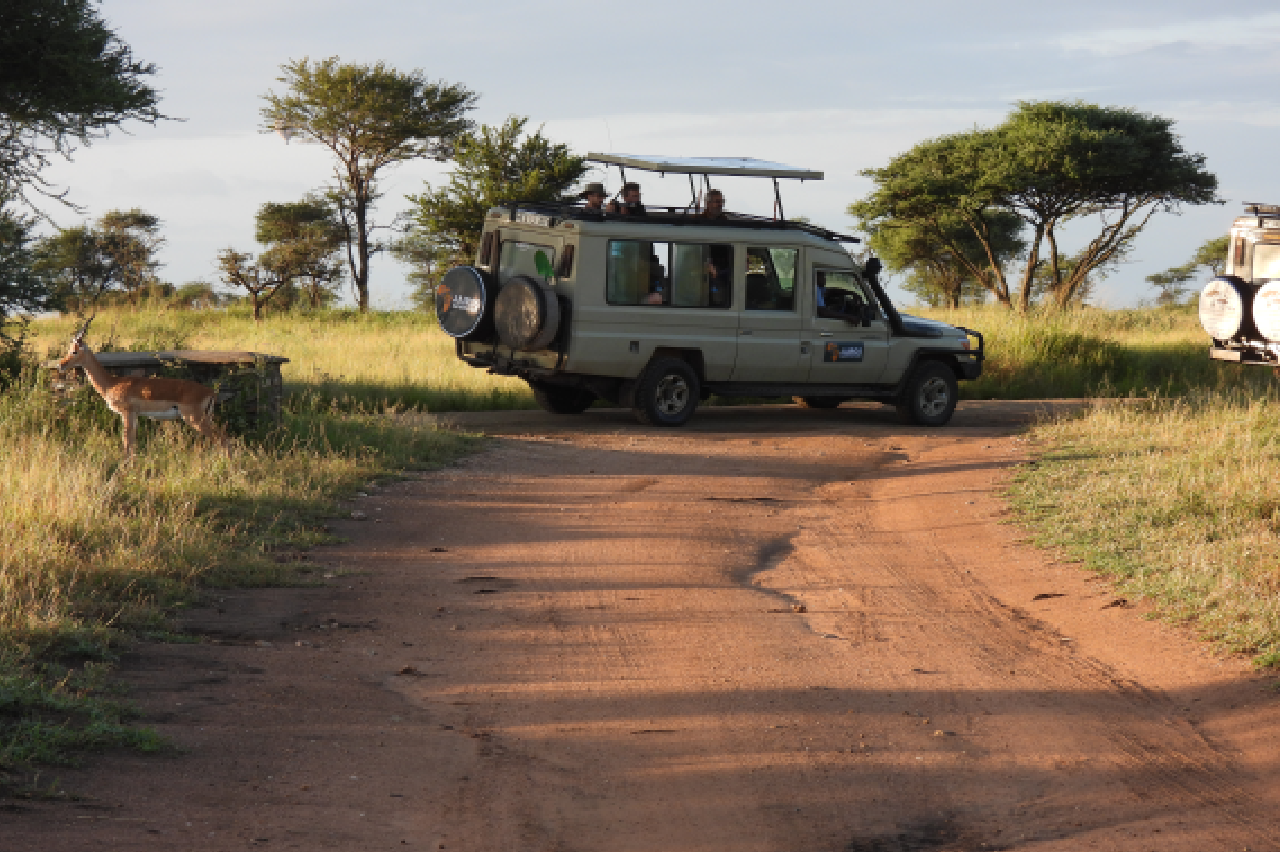
Start your journey today with an unforgettable African Safari.
Tell us what you’re looking for, and we’ll help turn your travel ideas into an unforgettable experience.