
A season-by-season guide to wildlife, weather, and what to expect
When considering the time to visit Tanzania, it’s crucial to recognize the wildlife patterns and seasonal changes that influence your experience.
Tanzania is one of Africa’s greatest safari destinations — home to the iconic Serengeti, the wildlife-packed Ngorongoro Crater, and the legendary Great Migration. But when you go matters enormously. The right timing can mean the difference between witnessing one of nature’s most dramatic spectacles and arriving to empty plains and muddy roads.
The good news? Every month in Tanzania offers something. This guide breaks down what to expect — season by season, month by month — so you can plan a trip that matches your interests, budget, and travel style.
Understanding the best time to visit Tanzania can enhance your safari experience significantly, as it directly impacts wildlife visibility and comfort.
Tanzania's Safari Seasons at a Glance
Tanzania’s weather follows two key patterns: the dry season (June–October) and the wet season (November–May). But within those broad categories, there’s a lot of nuance — and some of the best-value months are ones most travellers overlook.
Peak season (Jun–Oct): Best wildlife viewing, Great Migration river crossings, ideal weather — but higher prices and bigger crowds.
Shoulder season (Jun, Sep–Oct): Nearly as good as peak, with fewer tourists and better value.
Green season (Jan–Feb, Nov–Dec): Lush landscapes, calving wildebeest, spectacular birdwatching, and low prices.
Wet season (Mar–May): Heavy rains, some lodges close, roads can be difficult — but solitude and rock-bottom prices await those who don’t mind the mud.
For many, the ideal time to visit Tanzania aligns with the thrilling Great Migration, offering an unforgettable spectacle.
Each season’s unique offerings make it essential to plan your time to visit Tanzania according to your preferences and interests.
The Dry Season (June–October): Peak Safari Time
The dry season is widely considered the best time for a Tanzanian safari — and for good reason. Vegetation thins out, water becomes scarce at permanent waterholes, and animals congregate in predictable areas. Game viewing is at its most reliable and dramatic.
June: The Hidden Gem
June marks the start of the dry season, and it’s one of the most underrated safari months. The landscape begins its transformation from lush green to golden savannah, and wildebeest herds gather at the Grumeti River in the western Serengeti before making dramatic crossings.
- Temperature: 22–26°C, cool evenings
- Crowds: Moderate — before the school holiday rush
- Price: Excellent value — peak quality without peak pricing
Local tip: June is one of the best months for luxury safari value. You get world-class game viewing with far fewer vehicles at any given sighting.
July & August: The Heart of the Migration
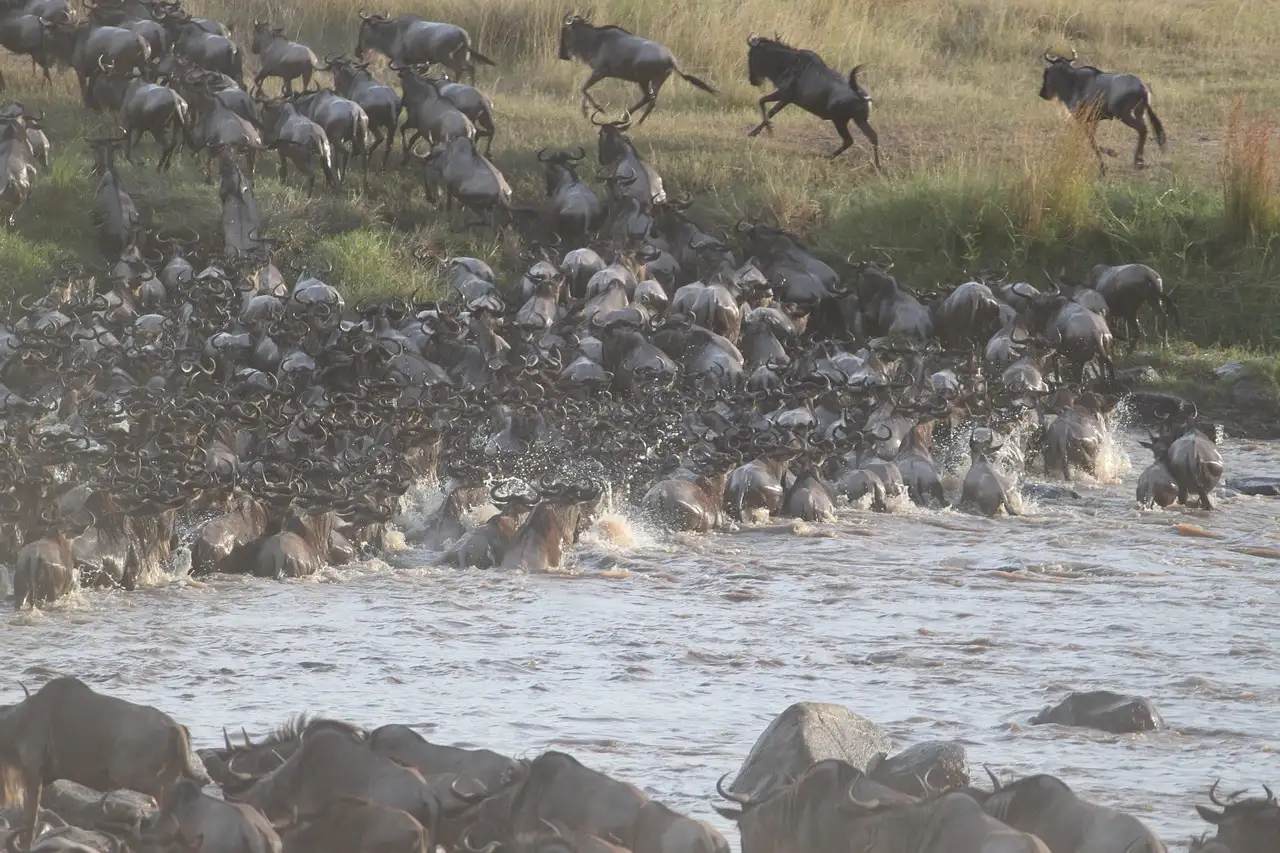
July and August are Tanzania’s most popular safari months — and the most spectacular. Over a million wildebeest and hundreds of thousands of zebra cross the crocodile-filled Mara River in one of nature’s greatest wildlife events. It’s breathtaking, chaotic, and deeply moving.
- Temperature: 20–28°C, warm days and cool nights
- Crowds: Very high — especially in the northern Serengeti
- Price: Premium — book 6–12 months in advance
- Also excellent: Ngorongoro Crater, Tarangire, Lake Manyara
Good to know: Mara River crossings are unpredictable — herds can wait for days before crossing. Allow at least three nights in the northern Serengeti to maximise your chances of witnessing one.
September: Slightly Quieter, Equally Spectacular
September offers nearly everything August does, but with a noticeable drop in crowd levels as European school holidays end. River crossings continue in the northern Serengeti, and the dry savannah makes for outstanding Big Five game viewing.
- Temperature: 22–28°C
- Crowds: High, but easing
- Price: Premium, but slightly lower than August
- Also great for: Kilimanjaro climbing — clear skies and moderate temperatures
Photographer’s note: September’s golden dry-season light and open grasslands are exceptional for wildlife photography.
October: End of Dry Season, Start of Adventure
By October, the wildebeest herds have largely returned to Kenya. But Tanzania still delivers: Tarangire National Park reaches its peak, with enormous elephant herds gathering around the Tarangire River. Mahale Mountains is at its best for chimpanzee tracking, and Mafia Island sees whale shark season in full swing.
- Temperature: 24–30°C, warming towards the short rains
- Crowds: Moderate and declining
- Price: Good value
Hidden gem: October in Tarangire is one of Tanzania’s most underappreciated safari experiences — vast elephant herds, baobab-studded landscapes, and far fewer tourists than the Serengeti.
June is often considered a hidden gem when it comes to the time to visit Tanzania, as it allows for unforgettable wildlife sightings.
Choosing the right time to visit Tanzania can provide a more intimate experience with the natural beauty of the landscapes.
By understanding the best time to visit Tanzania, you can make the most of the stunning scenery and diverse wildlife.
The peak season is undoubtedly the most popular time to visit Tanzania, attracting many safari enthusiasts from around the globe.
For photographers, knowing the best time to visit Tanzania means capturing extraordinary moments against breathtaking backdrops.
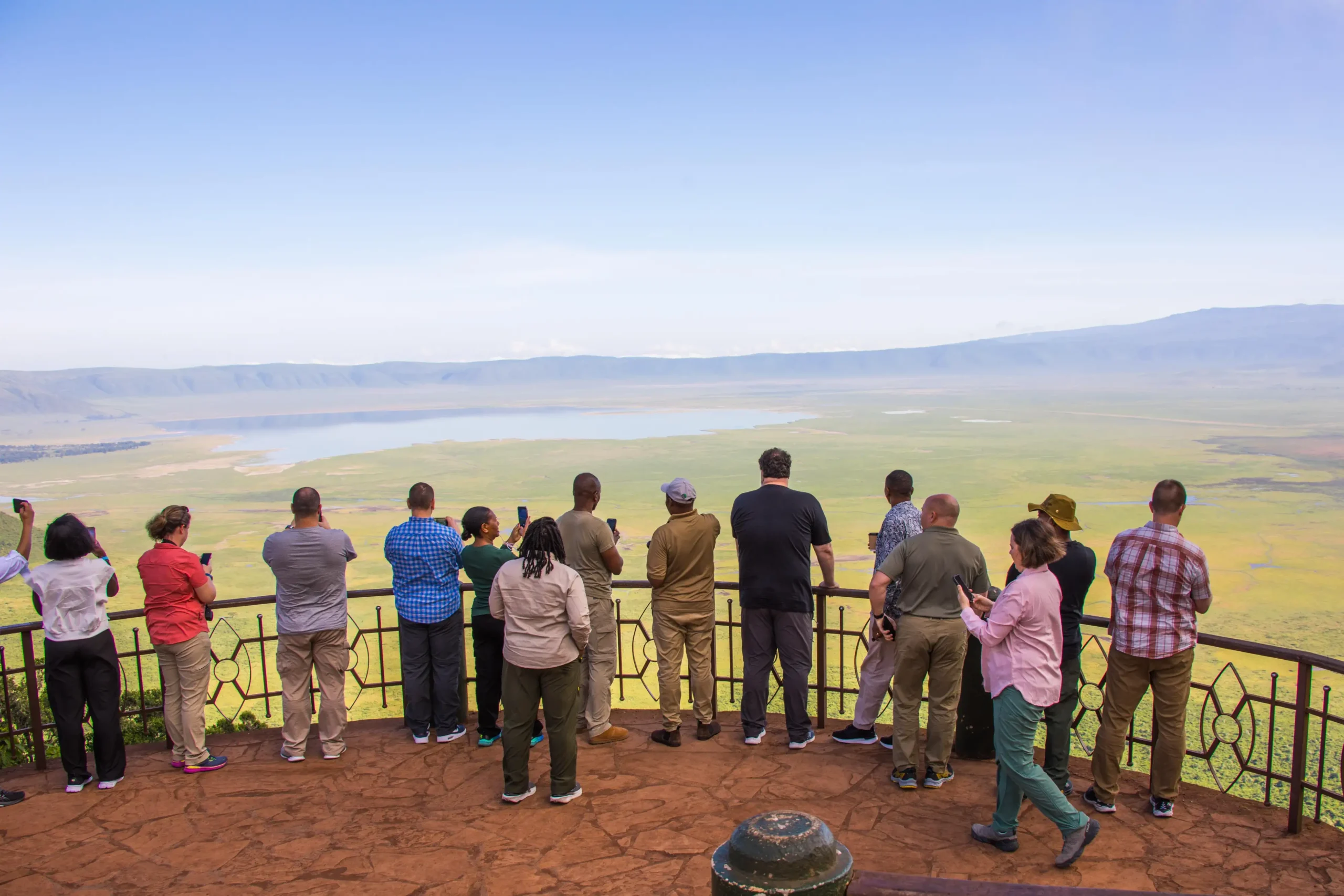
The Green Season (January–February & November–December)
The time to visit Tanzania in the green season allows visitors to enjoy lush landscapes and vibrant wildlife activity.
From January to February, this is an exceptional time to visit Tanzania for wildlife photography and calving season.
Planning your time to visit Tanzania during November can offer a unique blend of fresh landscapes and active wildlife.
The time to visit Tanzania in December is perfect for those looking to experience the festive spirit amidst nature.
Tanzania’s green season is the safari world’s best-kept secret. While visitor numbers are lower and landscapes are lush, game viewing can be extraordinary — particularly in January and February, when the Serengeti witnesses one of Africa’s most remarkable wildlife events.
January & February: Wildebeest Calving Season
Every January, over 400,000 wildebeest calves are born on the short-grass plains of the southern Serengeti — roughly 8,000 per day at peak. This creates an incredible concentration of predators: lions, cheetahs, leopards, and hyenas all move in to take advantage. It’s one of the most intense wildlife spectacles on the continent.
- Temperature: 27–31°C, hot with occasional afternoon showers
- Crowds: Low — this is still one of Tanzania’s best-kept secrets
- Price: Budget-friendly
- Best areas: Ndutu plains (southern Serengeti), Ngorongoro Conservation Area
Why it’s underrated: The calving season offers the most intense predator action of the year — yet visitor numbers are a fraction of July and August. It’s remarkable value for what you experience.
November: Fresh and Overlooked
The short rains arrive in November, usually as brief afternoon showers that freshen the landscape without disrupting game viewing. Migratory birds begin to arrive in their thousands, and the Serengeti takes on a vivid green glow. It’s one of the best months for birdwatchers and photographers who love dramatic skies.
- Temperature: 25–30°C
- Crowds: Low
- Price: Budget-friendly
Birdwatcher’s highlight: Over 500 migratory bird species winter in Tanzania, and November marks their arrival — making it one of the finest birdwatching months of the year.
December: Festive and Beautiful
Early December continues November’s quiet magic, with lush landscapes and excellent game viewing. The mood shifts noticeably in the final two weeks as Christmas and New Year travellers arrive, particularly at premium lodges. Book well ahead if visiting over the festive period.
- Temperature: 27–31°C, hot on the coast
- Crowds: Low until mid-December, then spike over Christmas and New Year
- Price: Varies — competitive early, premium over festive dates
The Wet Season (March–May): For the Adventurous
The wet season presents a unique time to visit Tanzania for adventurous souls who embrace the challenges of nature.
The long rains run from March through May, bringing heavy and sustained rainfall that can make game drives challenging. Many smaller camps and lodges close during this period, particularly in the Serengeti. That said, this is Tanzania at its most lush and atmospheric — and prices drop dramatically.
March and April see the heaviest rains. May is a transitional month: the rains begin to ease by mid-month, and some operators quietly offer excellent value during the tail end.
- Temperature: 25–33°C, hot and humid
- Crowds: Very low — genuine solitude
- Price: Lowest of the year — often 30–50% off peak rates
- Roads: Can be difficult or impassable in remote areas
Who should consider it: Budget-conscious travellers who don’t mind a rougher experience, and landscape photographers who want dramatic skies, vivid greenery, and no other jeeps in frame.
For those seeking solitude, it’s wise to target the shoulder season as the best time to visit Tanzania.
Quick Reference: Best Month by Interest
Understanding your interests is key when deciding the time to visit Tanzania, ensuring a tailored experience.
Great Migration river crossings: July, August, September
Wildebeest calving: January, February
Best value / fewest crowds: June, October, November, early December
Birdwatching: November, December, January, February
Chimpanzee tracking (Mahale): July to October
Kilimanjaro climbing: January, February, July, August, September
Beach (Zanzibar) combo: July, August (dry and comfortable on the coast)
Family safari (school holidays): July, August, December
Final Tips Before You Book
Regardless of when you choose the time to visit Tanzania, the effort put into planning will yield an unforgettable safari experience.
- Book early for peak season. July and August lodges at the best northern Serengeti camps sell out 9–12 months in advance.
- The Great Migration is year-round. It isn’t a single event — it’s a continuous 1,200-mile circular journey. Every month, the herds are somewhere in the Serengeti ecosystem.
- Combine parks strategically. No single park is best all year. Work with a specialist operator to build an itinerary that follows the wildlife across different areas.
- Don’t overlook southern Tanzania. Nyerere (Selous) and Ruaha receive far fewer visitors than the northern circuit and offer extraordinary game viewing — particularly in the dry season.
- Factor in your priorities. If budget is key, January–February or June offer exceptional experiences at a fraction of peak costs. If seeing the river crossings is non-negotiable, commit to July–September.
Tanzania rewards those who plan thoughtfully — whatever season you choose, a well-planned safari here is one of the most extraordinary experiences on earth.
Explore Our Adventures gallery

Customize Your Tour
Start planning your perfect time to visit Tanzania today, ensuring you experience the best of what this incredible country has to offer.
Start your journey today with an unforgettable African Safari.
Tell us what you’re looking for, and we’ll help turn your travel ideas into an unforgettable experience.