
Discover Zanzibar: Safari & Island Wonders 2026
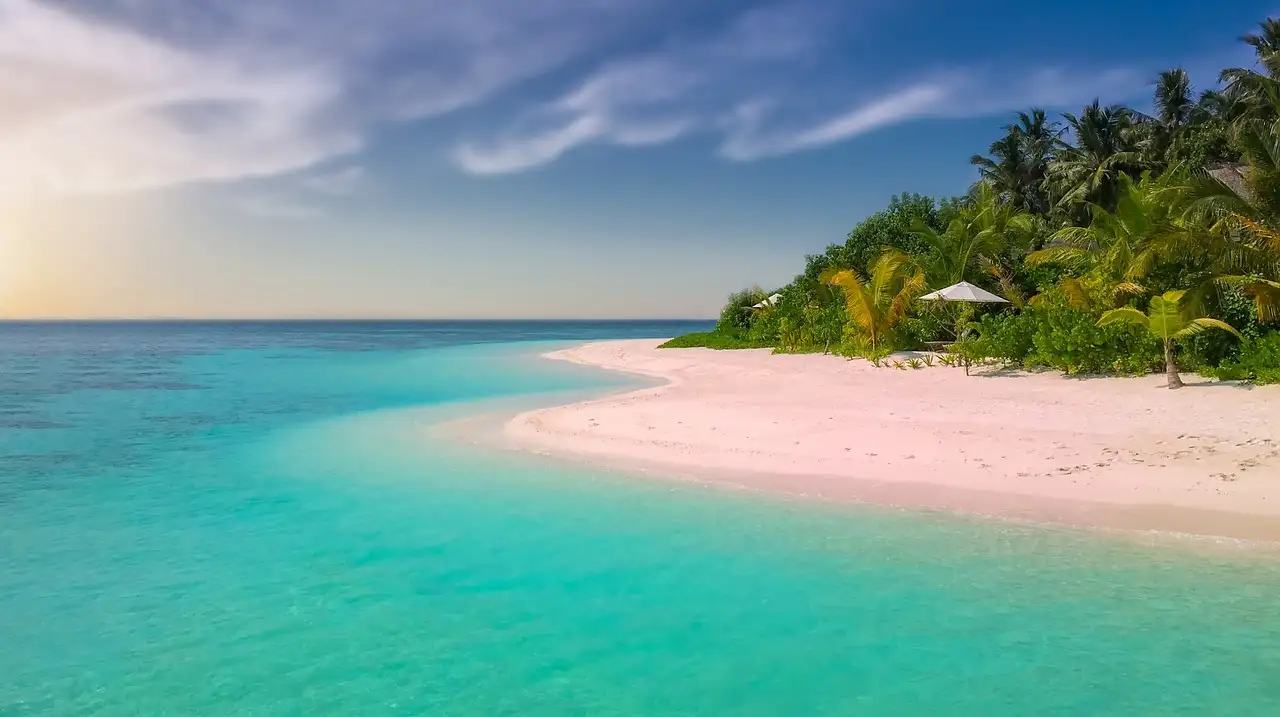
When most travelers think of Zanzibar, images of pristine white-sand beaches, turquoise waters, and swaying palm trees immediately come to mind. While this idyllic archipelago off the coast of Tanzania is indeed famous for its spectacular beaches and rich Swahili culture, fewer visitors realize that Zanzibar can also serve as an exceptional gateway to some of East Africa’s most remarkable safari experiences. This comprehensive guide explores how to combine the best of both worlds in 2026: the untamed wilderness of mainland Tanzania with the tropical paradise of Zanzibar.
Why 2026 is an Ideal Time to Visit
Tanzania’s tourism infrastructure has continued to develop and improve, making 2026 an excellent year for this adventure. New lodges and camps have opened across the safari circuit, offering enhanced sustainability practices and luxury amenities. Flight connections between mainland Tanzania and Zanzibar have become more frequent and reliable, with multiple daily options from Dar es Salaam, Arusha, and the Serengeti.
The Serengeti is arguably Africa’s most famous safari destination, and for good reason. This vast ecosystem spanning nearly 15,000 square kilometers hosts the greatest wildlife spectacle on Earth: the Great Migration. Each year, over two million wildebeest, accompanied by hundreds of thousands of zebras and gazelles, move in a continuous cycle following the rains and fresh grass.
The Serengeti offers year-round game viewing, but the migration creates particularly dramatic scenes depending on when you visit. From January to March, the southern Serengeti witnesses the calving season, attracting predators from miles around.
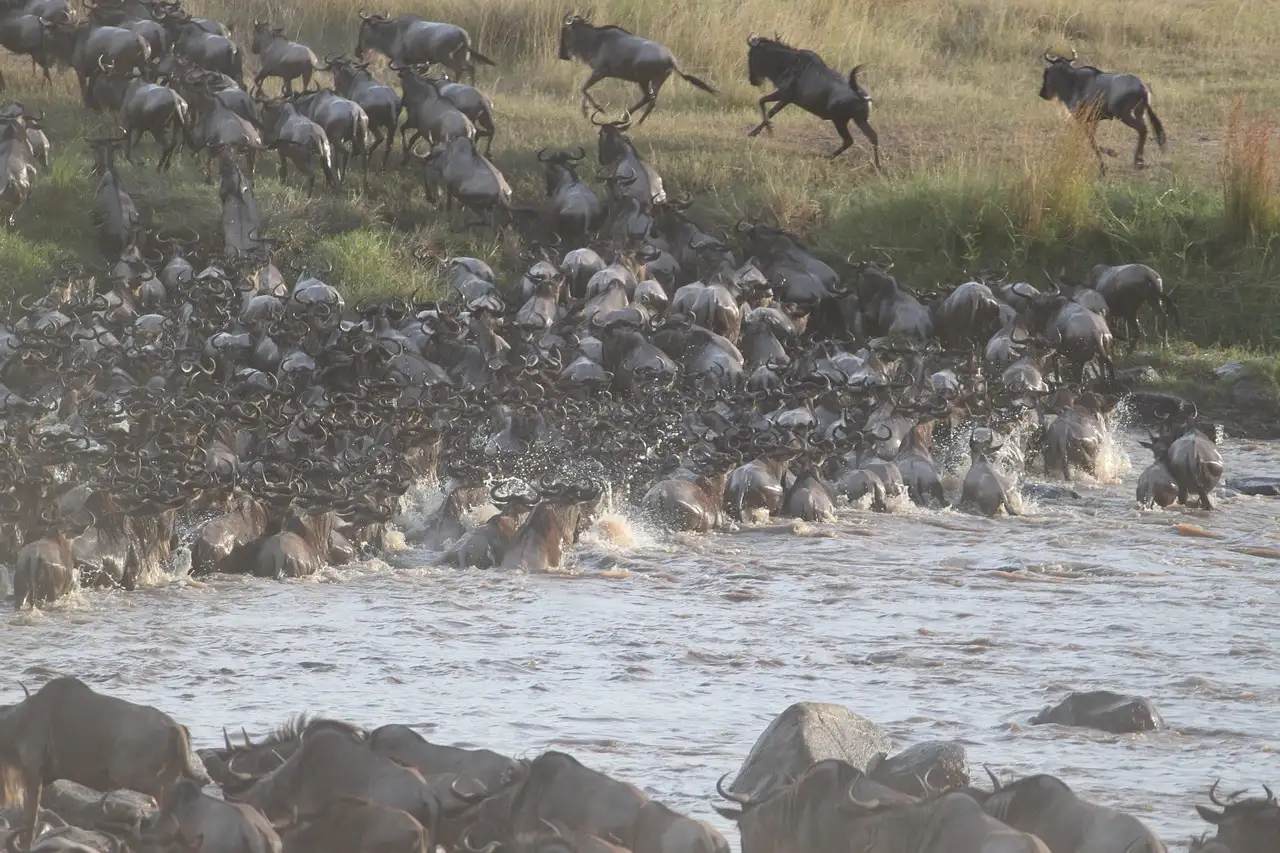
From June to July, the dramatic river crossings occur in the western corridor as herds brave crocodile-infested waters. From July to October, the northern Serengeti and Masai Mara ecosystem host massive concentrations of wildlife.
After days of early morning wake-up calls and game drives, Zanzibar offers the ideal antidote. This semi-autonomous archipelago off Tanzania’s coast has been a crossroads of culture and commerce for centuries.
Zanzibar’s unique blend of African, Arab, Indian, and European influences provides a rich tapestry to explore.
Recommended Duration
The ideal combined safari and beach holiday typically lasts between 10 and 14 days. A common breakdown would be 5 to 7 days on safari followed by 4 to 6 days in Zanzibar.
This provides sufficient time to experience multiple safari destinations without rushing while allowing enough beach time to truly relax and explore the island.
The ideal combined safari and beach holiday typically lasts between 10 and 14 days. A common breakdown would be 5 to 7 days on safari followed by 4 to 6 days in Zanzibar. This provides sufficient time to experience multiple safari destinations without rushing while allowing enough beach time to truly relax and explore the island. Some travelers opt for shorter 7 to 10-day trips, which can work well if you focus on just one or two safari parks and limit your Zanzibar stay to the beach with perhaps a Stone Town visit. Conversely, travelers with more time might extend to 16 to 21 days, adding southern circuit parks or more remote areas of Zanzibar.
Sample Itineraries
Classic Northern Circuit with Zanzibar (12 days) Days 1-2: Arrival in Arusha, Tarangire National Park Days 3-4: Lake Manyara and Ngorongoro Crater Days 5-8: Serengeti National Park Day 9: Flight to Zanzibar, Stone Town exploration Days 10-12: Beach resort on east or north coast, departure
Southern Circuit Explorer (14 days) Days 1-2: Dar es Salaam to Nyerere National Park Days 3-5: Walking and boat safaris in Nyerere Days 6-8: Ruaha National Park Day 9: Flight to Zanzibar via Dar es Salaam Days 10-14: Zanzibar beaches, spice tours, cultural activities, departure
Comprehensive Tanzania Experience (16 days) Days 1-3: Arusha, Tarangire, Lake Manyara Days 4-5: Ngorongoro Crater and surrounding highlands Days 6-10: Serengeti National Park (multiple regions) Day 11: Flight to Zanzibar, Stone Town Days 12-16: Beach resort, water activities, cultural excursions, departure
Best Times to Visit
Tanzania’s safari destinations and Zanzibar have different optimal seasons, but fortunately, there’s a significant overlap. For safaris, the dry season from late June through October offers the most reliable wildlife viewing as animals concentrate around water sources and vegetation is sparse, making spotting easier. This is also when the Great Migration reaches the northern Serengeti. However, this is peak season, meaning higher prices and more tourists.
The calving season in the southern Serengeti, from late January through February, is spectacular, with predator activity at its peak as thousands of vulnerable newborns attract lions, cheetahs, and hyenas. This period offers excellent value and fewer crowds. The green season from March through May brings heavy rains, making some areas difficult to access, but also lush landscapes, fewer tourists, lower prices, and excellent birdwatching as migratory species arrive.
For Zanzibar, the best weather occurs from June through October and December through February, when rainfall is minimal and temperatures are pleasant. The long rains from March through May can disrupt beach activities, while the short rains in November are typically brief afternoon showers that rarely cause major issues. The sweet spot for a combined safari and beach holiday is June through October, when both destinations enjoy optimal conditions. January through February also works well, particularly if you want to witness the calving season.
Logistics and Transportation
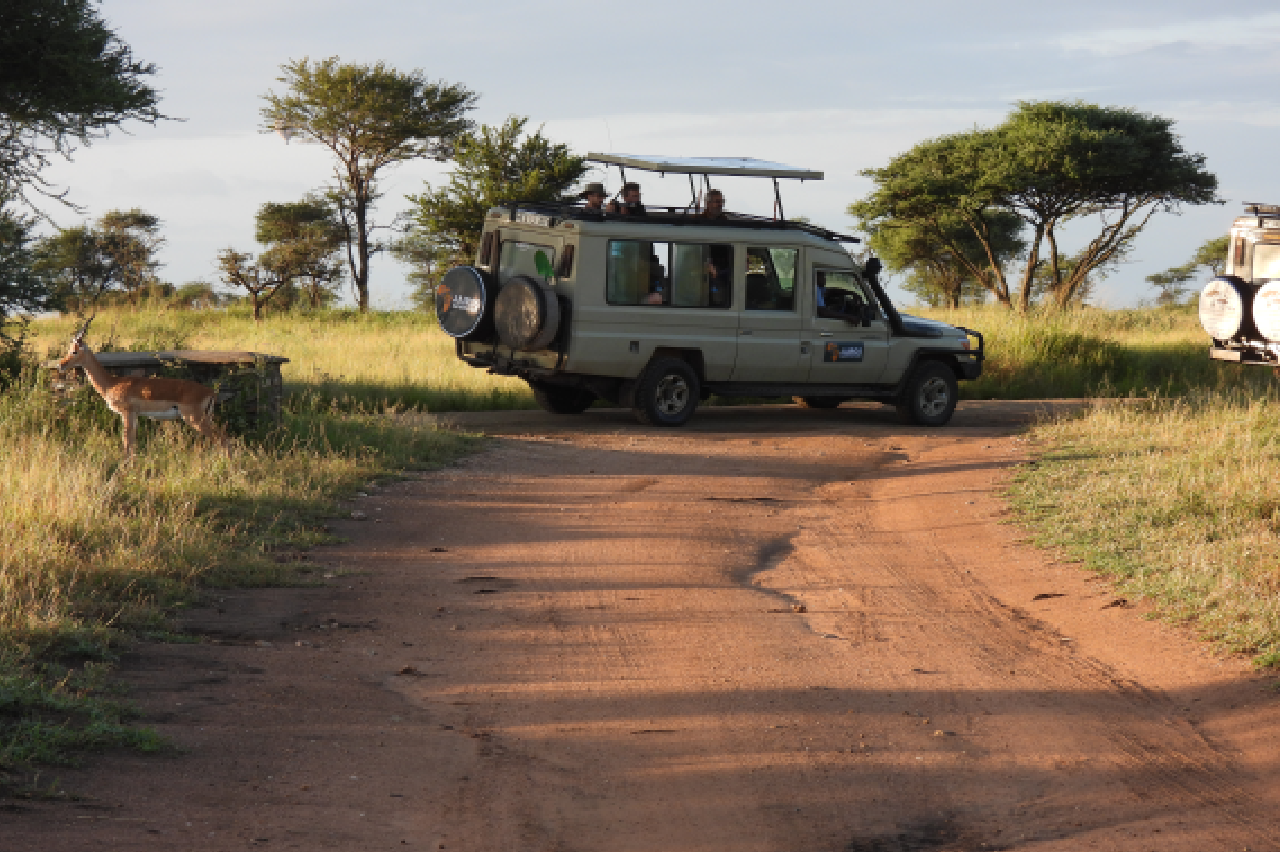
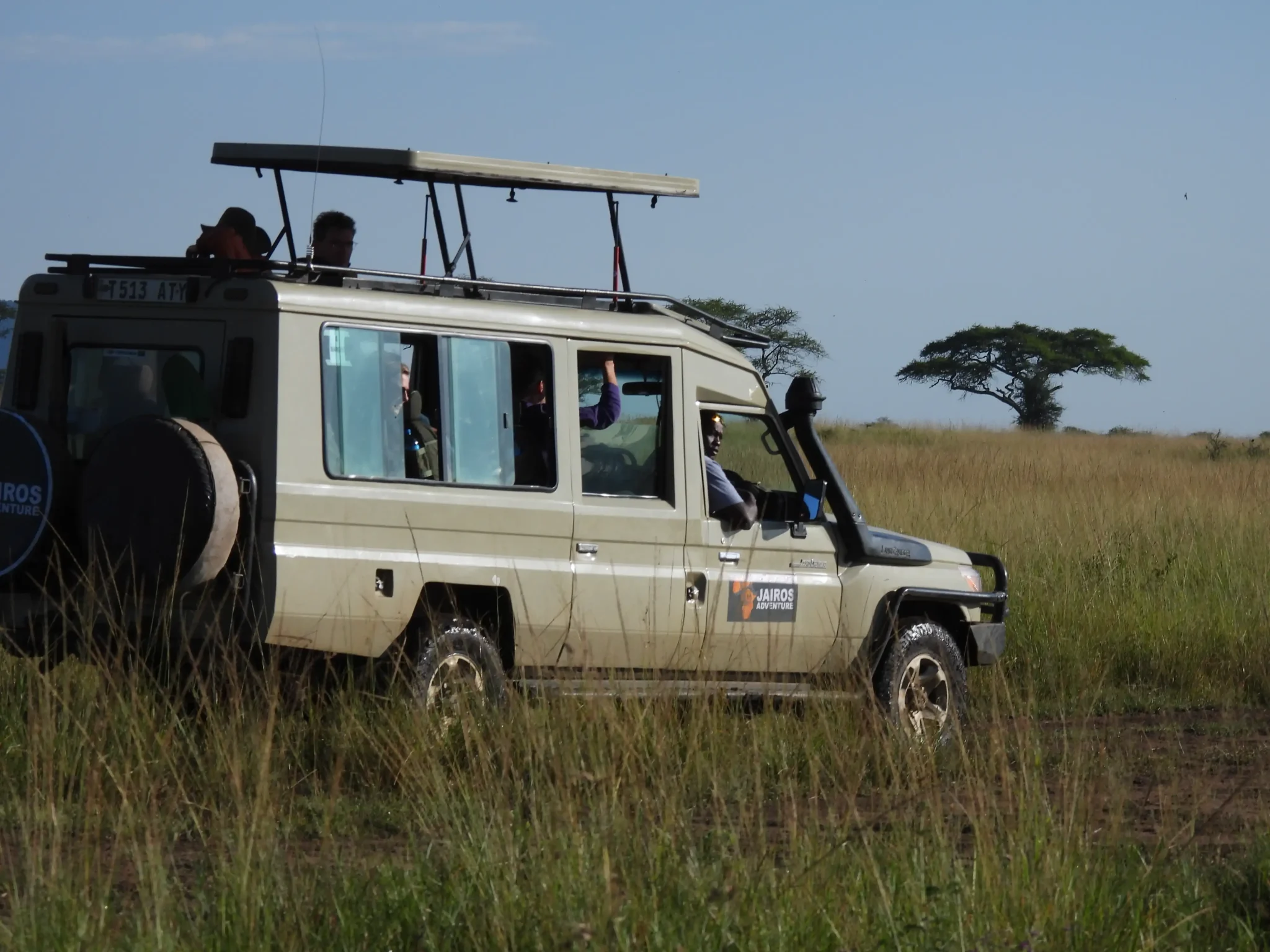
Most safari-and-beach combinations begin with an international flight to Kilimanjaro International Airport (near Arusha) or Julius Nyerere International Airport (Dar es Salaam). From Kilimanjaro, you’ll typically drive to your first safari destination, while Dar es Salaam might require a domestic flight to Arusha or directly to a southern circuit park. Between safari destinations, you’ll either drive (which is included in most safari packages and allows game viewing en route) or take short flights (quicker but more expensive and offering no ground-level wildlife observation).
Getting from your final safari destination to Zanzibar usually involves flying. Common routes include flights from Arusha, Serengeti airstrips, or Dar es Salaam to Zanzibar’s Abeid Amani Karume International Airport. Several airlines operate these routes, including Precision Air, Coastal Aviation, and ZanAir, with multiple daily departures. On Zanzibar, most resorts include airport transfers. For exploring the island, options include hiring a private driver, joining organized tours, renting a car (though driving can be chaotic), or using taxis and dala dalas (local minibuses).
Safari Lodges and Camps
Safari accommodation ranges from basic camping to ultra-luxurious lodges, with options to suit every budget and preference.
Budget Options include public campsites within national parks, basic tented camps, and simple lodges outside park boundaries. These typically offer clean, comfortable accommodations with shared facilities and simple meals. Prices range from $100 to $200 per person per night, including meals and game drives.
Mid-Range Options feature permanent tented camps or lodges with en-suite bathrooms, comfortable beds, good food, and knowledgeable guides. These camps balance comfort with authenticity, often situated in excellent locations for wildlife viewing. Expect to pay $250 to $500 per person per night all-inclusive.
Luxury and Ultra-Luxury Options provide spacious suites or tents with premium linens, gourmet cuisine, extensive wine lists, private guides, and exceptional locations. Some offer plunge pools, outdoor showers, and butler service. Prices range from $600 to over $2,000 per person per night.
Mobile Camps move seasonally to follow the migration, offering luxury accommodations in prime wildlife areas with the romance of traditional safari camping. These represent an excellent value for the experience provided, typically falling in the mid-range to luxury price brackets.
Zanzibar Accommodations
Zanzibar’s accommodation scene is equally diverse, from backpacker guesthouses to world-class beach resorts.
Stone Town Guesthouses provide budget-friendly options in the historic quarter, often in converted traditional buildings with rooftop terraces offering sea views. Prices range from $30 to $100 per night.
Beach Guesthouses and Budget Hotels along the coast offer simple, clean rooms steps from the beach, typically with fans rather than air conditioning, shared spaces, and basic meals. Rates range from $50 to $150 per night.
Mid-Range Beach Resorts provide air-conditioned rooms, swimming pools, restaurants, and water sports facilities. These represent excellent value, offering comfort and convenience at $150 to $350 per night.
Boutique Hotels emphasize design, personalized service, and unique experiences, often with limited rooms ensuring an intimate atmosphere. These range from $250 to $600 per night.
Luxury Beach Resorts offer the highest standards with exceptional cuisine, spa facilities, water sports, multiple pools, and impeccable service. Expect to pay $500 to over $1,500 per night.
Private Villas provide ultimate privacy for families or groups, with dedicated staff, private pools, and customized experiences. These range from $800 to several thousand dollars per night depending on size and amenities.
Practical Considerations
Visas and Entry Requirements
Most visitors to Tanzania require a visa, which can be obtained on arrival or online before travel through the e-visa system. The single-entry tourist visa costs $50 for most nationalities and allows stays of up to 90 days. US citizens pay $100. Applying online in advance avoids potential queues at the airport. Ensure your passport has at least six months’ validity beyond your planned departure date and contains at least two blank pages for stamps.
Health and Vaccinations
Yellow fever vaccination is required if arriving from or having transited through a yellow fever endemic country. Otherwise, it’s recommended but not mandatory. The yellow fever vaccine must be administered at least 10 days before travel.
Malaria prophylaxis is strongly recommended for both mainland Tanzania and Zanzibar, as both areas have malaria transmission year-round. Consult your doctor about appropriate medications such as atovaquone-proguanil, doxycycline, or mefloquine. In addition to medication, use insect repellent containing DEET, wear long sleeves and pants during dawn and dusk, and sleep under mosquito nets provided by accommodations. Routine vaccinations should be up to date, including hepatitis A and typhoid for food and water safety. Hepatitis B, rabies, and meningitis vaccinations may be recommended depending on your specific itinerary and activities. Drink only bottled water or water that has been boiled or purified. Most safari lodges and resorts provide safe drinking water, but exercise caution with ice and uncooked foods in local restaurants.
Packing Essentials
For safari, neutral-colored clothing (khaki, brown, olive, beige) is recommended as bright colors can disturb wildlife. Pack lightweight, breathable fabrics for hot days and layers for cool mornings and evenings. Closed-toe shoes or boots are essential for walking safaris. Don’t forget a wide-brimmed hat, sunglasses, sunscreen, and a light rain jacket.
Binoculars significantly enhance wildlife viewing, while a camera with a good zoom lens captures those memorable moments. Bring extra batteries and memory cards, as charging opportunities may be limited and you’ll take more photos than expected. For Zanzibar, pack beach essentials including swimwear, reef-safe sunscreen, and flip-flops. Zanzibar is predominantly Muslim, so respectful dress is important outside resorts, meaning covered shoulders and knees in Stone Town and villages. A light sarong serves multiple purposes, from beach cover-up to mosque visit wrapping. A small medical kit with anti-diarrheal medication, antihistamines, pain relievers, and any prescription medications is essential. Bring copies of prescriptions and ensure you have sufficient quantities for your entire trip.
Money and Budgeting
Tanzania’s official currency is the Tanzanian shilling, though US dollars are widely accepted for large transactions like safari packages and resort bills. For small purchases and tips, local currency is necessary. ATMs are available in Arusha, Dar es Salaam, and Stone Town, though may be unreliable in remote areas. Credit cards are accepted at upscale lodges and resorts but rarely elsewhere. Bring cash in small denominations for tips, souvenirs, and incidental expenses. Tipping is expected and forms an important part of income for guides, drivers, and hospitality staff. For safari guides, $20 to $30 per day per vehicle is standard. For lodge and resort staff, a communal tip box is often provided, with $10 to $15 per guest per day being appropriate.
Budget approximately $200 to $300 per person per day for mid-range safari experiences, $400 to $800 for luxury safaris, and $100 to $200 for mid-range Zanzibar beach stays, not including international flights.
Safety and Security
Tanzania is generally safe for tourists, particularly in established safari and resort areas. However, exercise normal precautions. In Stone Town, avoid walking alone at night in dark alleyways, keep valuables secured, and be aware of your surroundings. Pickpocketing can occur in crowded markets. On safari, always follow your guide’s instructions regarding wildlife safety. Never exit your vehicle unless specifically told it’s safe to do so, maintain appropriate distances from animals, and never attempt to feed wildlife. In Zanzibar waters, be aware of tides and currents. The dramatic tidal fluctuations can leave you stranded far from shore or create strong currents. Swim only in designated areas and heed local advice.
Responsible Tourism
Tanzania’s natural and cultural treasures require responsible stewardship. Choose safari operators and accommodations committed to sustainability and community benefit. Many lodges contribute to local schools, employ local staff, and support conservation initiatives. Respect wildlife by maintaining proper distances, never attempting to touch animals, and keeping voices down to avoid disturbing them. Never litter or remove anything from natural areas.
Respect local cultures by dressing modestly outside resort areas, asking permission before photographing people, and learning a few basic Swahili phrases. “Jambo” (hello), “asante” (thank you), and “pole pole” (slowly, take it easy) go a long way in showing respect. Avoid purchasing products made from endangered species, including ivory, sea turtle shells, and certain corals. Support local artisans by purchasing handmade crafts directly from craftspeople or cooperatives rather than mass-produced souvenirs.
Cultural Experiences
Swahili Culture
Swahili culture represents a unique fusion of African, Arab, Persian, and Indian influences developed over centuries of trade and interaction. In Zanzibar particularly, this heritage is visible in architecture, cuisine, music, and daily life. The Swahili language serves as Tanzania’s lingua franca and learning basic phrases enhances interactions. The people are generally warm and welcoming, with “pole pole” (slowly, take it easy) representing a cultural philosophy emphasizing relaxed, unhurried living.
Cuisine
Tanzanian and Zanzibari cuisine offers delicious discoveries for adventurous eaters. On safari, lodge meals typically cater to international tastes with excellent quality, but don’t miss opportunities to try local dishes. Ugali, a stiff porridge made from maize or cassava flour, is the staple accompaniment to stews and vegetables. Nyama choma (grilled meat) is popular throughout Tanzania. Pilau (spiced rice) and biryani reflect Indian influences.
In Zanzibar, seafood is exceptional, from grilled octopus to coconut-based fish curries. Zanzibar pizza, found at night markets, bears little resemblance to Italian pizza but makes a delicious street food snack. Urojo soup, a tangy, spicy broth with various toppings, is another local specialty worth trying. Fresh tropical fruits, including mangoes, pineapples, passionfruit, and jackfruit are abundant and delicious. Zanzibar’s spices appear in many dishes, with cardamom often flavoring tea and coffee.
Traditional Activities
Many safari lodges offer cultural visits to Maasai or other tribal villages, providing insights into traditional lifestyles. Choose operators who conduct these visits respectfully, ensure communities benefit financially, and avoid turning people into living museum exhibits. In Zanzibar, cooking classes offer hands-on experiences learning to prepare traditional Swahili dishes using local spices and techniques. Some resorts also arrange henna painting demonstrations, traditional music and dance performances, and meetings with local artisans.
A combined Tanzania safari and Zanzibar beach holiday represents one of the world’s premier travel experiences, offering dramatic contrasts and complementary pleasures.
A combined Tanzania safari and Zanzibar beach holiday represents one of the world’s premier travel experiences, offering dramatic contrasts and complementary pleasures. The thrill of encountering wild elephants and lions in their natural habitat transitions seamlessly into the tranquility of swaying in a hammock over turquoise waters. Success lies in thoughtful planning that balances your interests, budget, and available time. Research operators carefully, read recent reviews, and don’t hesitate to ask questions about guides’ experience, vehicle quality, and accommodation standards. Book well in advance for travel during peak seasons, as the best lodges and camps fill up months ahead.
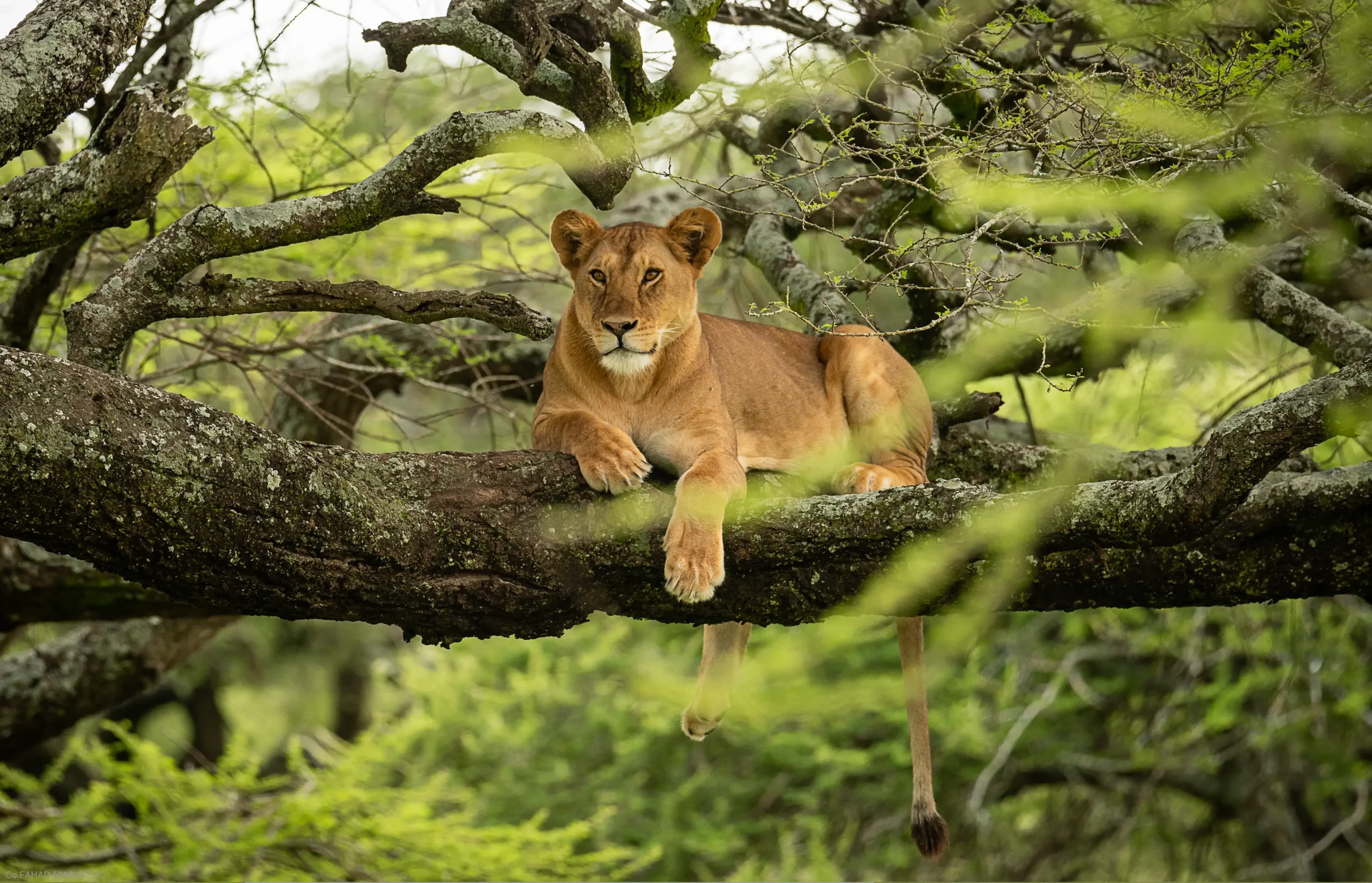
Allow yourself flexibility within your itinerary. Some of the most memorable safari moments happen unexpectedly during unplanned detours or extended game drives when your guide spots something special. Similarly, in Zanzibar, leaving unscheduled time allows spontaneous exploration and genuine relaxation. Above all, approach your journey with openness and wonder. Whether watching a lioness teach her cubs to hunt on the Serengeti plains, standing on the crater floor surrounded by 25,000 animals, or watching the sun set over the Indian Ocean from a Stone Town rooftop, you’re experiencing moments that will stay with you forever.
Tanzania and Zanzibar offer these transformative experiences in abundance, where every day brings new discoveries and every evening provides time to reflect on the extraordinary privilege of witnessing Earth’s natural and cultural treasures. Your 2026 Zanzibar safari awaits.
Explore Our Adventures gallery

Customize Your Tour
Start your journey today with an unforgettable African Safari.
Tell us what you’re looking for, and we’ll help turn your travel ideas into an unforgettable experience.