
Tanzania Mt Meru Climb & Trek with Jairos Adventure
Mt Meru
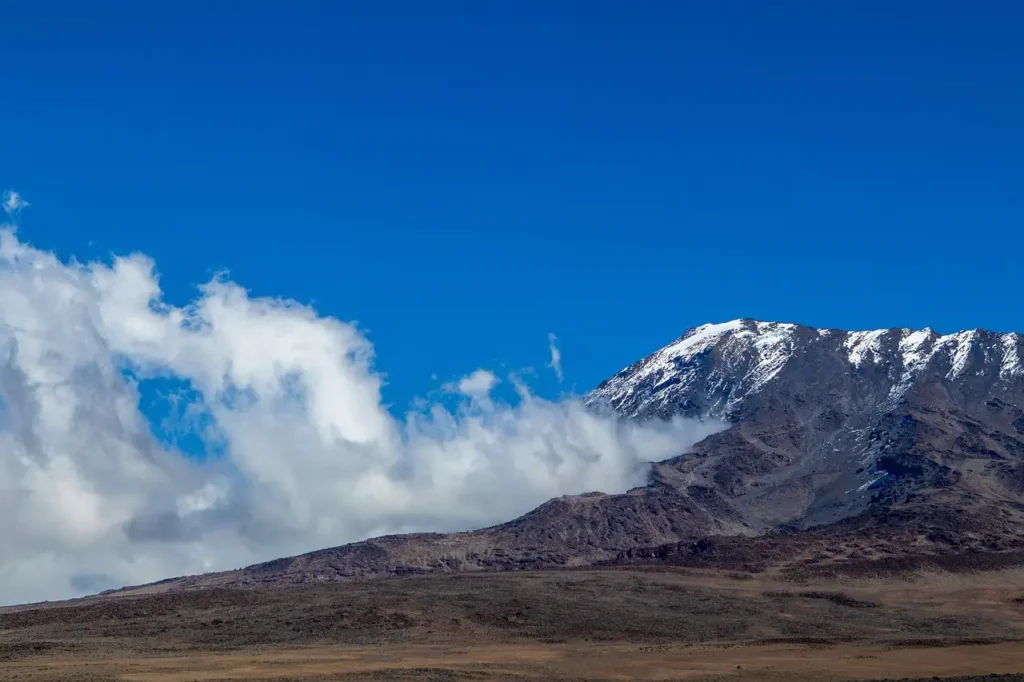
Mt Meru is a volcano towering at 4566 m/14,980 ft over the vast African savannahs and rainforests. It ranks as one of the highest peaks in Africa and Tanzania’s second-highest, just behind the iconic Mount Kilimanjaro, which lies only 40km away. While Kilimanjaro often steals the spotlight, Mt Meru is an impressive mountain with its own unique charm. The adventure of climbing Mt Meru is unforgettable and offers an immersive experience in nature.
Climbing Mount Meru is an epic adventure that combines hiking with exploration of African nature and wildlife. Situated within a national park, it is home to a variety of rare animals and plants. The slopes of Mt Meru are covered in lush tropical forests that give way to heather and high-altitude flora as you trek higher. Each step taken towards the summit of Mt Meru brings you closer to breathtaking views.
And, of course, you will be treated to breathtaking views of the surrounding savannahs, beautiful lakes, and Mount Kilimanjaro. Upon reaching the summit, travelers will marvel at the awe-striking sight of sunrise over Africa – a truly memorable moment that will stay with you forever, especially atop Mt Meru.
An expedition to Mount Meru does not require any special skills and can be considered a moderately difficult trek. Additionally, if you’re considering climbing Mount Kilimanjaro, trekking to the Meru summit first is an excellent way to prepare and acclimatize to the high altitude, which will be of great help on the “Roof of Africa”. A successful climb of Mt Meru can enhance your experience on Kilimanjaro.
The thrill of summiting Mt Meru cannot be overstated; it’s a journey that is both challenging and rewarding. This climb draws adventurers from around the world, eager to take on the majestic peaks and stunning views that Mt Meru provides.
Best Time to Climb Mount Meru
Optimal Climbing Seasons
Dry Season (June to October)
- Clear skies and excellent visibility
- Cooler temperatures, especially June-September
- Best views of Mount Kilimanjaro
- Most popular climbing season
Hot Dry Season (December to February)
- Warmest temperatures
- Crystal-clear skies
- Spectacular summit sunrise views
- Second-best climbing window
Seasons to Avoid
Long Rainy Season (March to May)
- Heavy rainfall is making trails slippery and dangerous
- Poor visibility
- Increased difficulty and reduced safety
- Not recommended for climbing
Short Rainy Season (November)
- Intermittent rain showers
- Possible but less ideal conditions
- Better to choose dry season months
Why Trek Mount Meru?
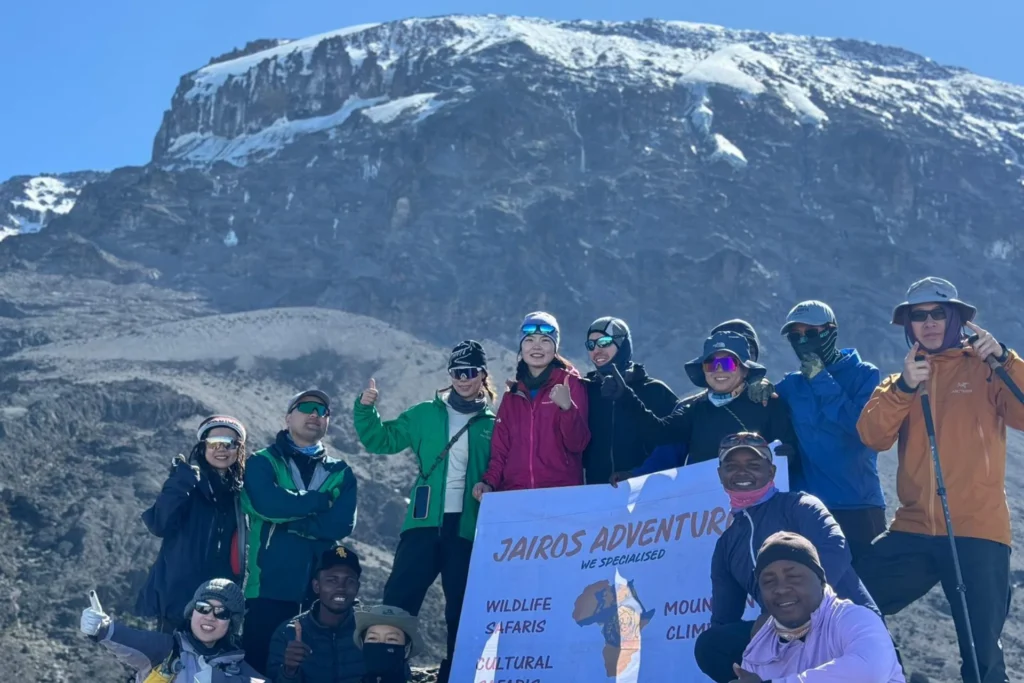
Choosing to trek Mt Meru is not just about reaching the summit; it’s about the experiences along the way. As you hike, you will encounter diverse wildlife and breathtaking landscapes that are unique to this region.
- Wildlife on the trail – giraffes, buffalo, monkeys, and countless bird species roam the lower slopes.
- Unique volcanic scenery – the crater rim offers jaw‑dropping views into Meru’s horseshoe‑shaped caldera.
- Kilimanjaro at sunrise – from the summit, you’ll see Africa’s highest peak glowing above the clouds.
- Comfortable huts – unlike Kilimanjaro, you’ll sleep in mountain huts, making the trek more accessible.
Climbing Mt Meru is best experienced during the optimal climbing seasons when the weather conditions are favorable, allowing climbers to fully enjoy the beauty this mountain has to offer.
Difficulty & Preparatio
Mount Meru is shorter than Kilimanjaro but steeper in sections. It’s a moderate trek—perfect for fit hikers or anyone preparing for Kilimanjaro. Bring warm layers, sturdy boots, rain gear, and a headlamp for the summit climb.
Mt Meru Packing List
Preparing for your trek up Mt Meru involves understanding the right equipment and clothing needed to ensure a safe and enjoyable experience from start to finish.
Clothing Layers
Base Layers
- Moisture-wicking synthetic or merino wool shirts (2-3)
- Thermal underwear tops and bottoms
- Hiking pants (quick-dry material)
- Warm fleece or down jacket
- Waterproof, breathable rain jacket
- Waterproof rain pants
Summit Day Additions
- Insulated down jacket
- Insulated pants
- Balaclava or warm hat covering ears
- Neck gaiter or buff
- Warm gloves (liner plus insulated)
Footwear
- Sturdy, broken-in hiking boots (waterproof, ankle support)
- Camp shoes/sandals for hut use
- Moisture-wicking hiking socks (3-4 pairs)
- Warm sleeping socks
Equipment
- Waterproof duffel bag for porter-carried items (15-20kg limit)
- Daypack (30-40L) for personal items during hiking
- Sleeping bag (-10°C/14°F rating)
- Trekking poles (highly recommended for stability)
- Water bottles or hydration system (3L capacity total)
- Headlamp with extra batteries
- Sunglasses (UV protection)
- Sun hat with brim
- Camera and extra batteries
- Power bank for electronics
Personal Items
- Sunscreen (SPF 50+)
- Lip balm with SPF
- Personal medications
- Altitude sickness medication (consult doctor)
- Basic first aid supplies
- Toiletries (biodegradable soap, toothbrush, etc.)
- Hand sanitizer
- Toilet paper
- Personal snacks (energy bars, nuts, dried fruit)
Optional Gear Rental
Most operators in Arusha offer gear rental if you prefer not to travel with bulky equipment:
- Sleeping bags
- Trekking poles
- Down jackets
- Backpacks
- Headlamps
Rental costs typically range from $20-$50 per day per item.
On summit day, as you ascend Mt Meru, the right gear will make all the difference in your comfort and performance.
Why Go With a Local Operator
Guides know the park inside out, handle permits and logistics, and ensure your trek is safe and enjoyable. Many climbers combine a Meru climb with a safari or use it as acclimatization before attempting Kilimanjaro.
Guides who are experienced in the Mt Meru region will enhance your experience, ensuring that you capture the essence of the climb.
Need any help with Safari planning?
Get Your Custom Quote