
Learning Jambo Swahili opens doors to meaningful cultural exchange in East Africa and enhances your safari experience.
Jambo Swahili: Your Essential Guide to East Africa's Most Famous Greeting
What Does Jambo Mean in Swahili?
Jambo is the most recognized Swahili greeting worldwide, simply meaning “hello” in English. While widely known by tourists, native speakers typically use this greeting when welcoming foreigners. Understanding Jambo Swahili is your gateway to East African culture and will greatly enhance your travel experience in Tanzania, Kenya, Uganda, and other Swahili-speaking regions.
When to Use Jambo
Jambo is most appropriate in these situations:
- Tourist interactions at hotels, safaris, and markets
- Casual greetings with foreigners
- First-time introductions
- Addressing groups of people
However, locals more commonly use “Habari” (how are you?) in everyday conversations with each other.
Essential Jambo Swahili Greetings
Basic Greetings
Habari – How are you? (Response: “Nzuri” – Good)
Mambo – What’s up? (Response: “Poa” – Cool)
Hujambo – Are you well? (Response: “Sijambo” – I am well)
Shikamoo – Respectful greeting to elders (Response: “Marahaba”)
Time-Specific Greetings
- Habari za asubuhi – Good morning
- Habari za mchana – Good afternoon
- Habari za jioni – Good evening
- Usiku mwema – Good night
Must-Know Swahili Phrases for Travelers
Courtesy Phrases
- Asante – Thank you
- Asante sana – Thank you very much
- Karibu – You’re welcome / Welcome
- Tafadhali – Please
- Samahani – Sorry / Excuse me
- Pole pole – Slowly, take it easy
Practical Phrases
- Hakuna matata – No problem
- Ndiyo – Yes
- Hapana – No
- Bei gani? – How much?
- Nataka… – I want…
- Twende – Let’s go

Where Is Swahili Spoken?
Swahili is an official language in several East African countries:
- Tanzania – National language, widely spoken
- Kenya – Official language alongside English
- Uganda – Recognized official language
- Rwanda and Burundi – Official language
- Democratic Republic of Congo – Eastern regions
Over 200 million people speak Swahili across East and Central Africa, making it one of Africa’s most important languages.
Jambo vs. Habari: What’s the Difference?
Jambo is a standalone greeting that doesn’t require a response. It’s become the “tourist version” of Swahili greetings.
Habari means “news” or “how are you?” and expects a response like “Nzuri” (good). This is what locals actually use in daily conversations.
Cultural Etiquette When Using Jambo Swahili
Important Tips
Take time to greet properly – Rushing through greetings is considered rude in East African culture.
Show respect to elders – Always use “Shikamoo” when greeting older people.
Handshakes matter – Often accompanied by the left hand touching the right arm as a sign of respect.
Gender considerations – In Muslim coastal areas, wait for the opposite gender to extend their hand first.
Learning Jambo Swahili: Quick Tips
Best Resources
- Language Apps: Duolingo, Memrise, Babbel
- YouTube: Search “Learn Swahili” for free lessons
- Language Exchange: Apps like Tandem or HelloTalk
- Cultural Immersion: Travel to East Africa
Pronunciation Guide
Swahili is phonetic and relatively easy to pronounce:
- Vowels: A (ah), E (eh), I (ee), O (oh), U (oo)
- Stress usually falls on the second-to-last syllable
- Most consonants sound like English
Benefits of Learning Jambo Swahili
For Travelers:
- Deeper cultural connections
- Better prices when shopping
- Enhanced safari experiences
- More respect from locals
For Business:
- Improved East African partnerships
- Better market understanding
- Competitive advantage in African markets
Common Mistakes to Avoid
- Using Jambo with locals (use “Habari” instead)
- Forgetting to respond to greetings like “Hujambo.”
- Mispronouncing “Asante san.a”
- Ignoring regional dialect variations
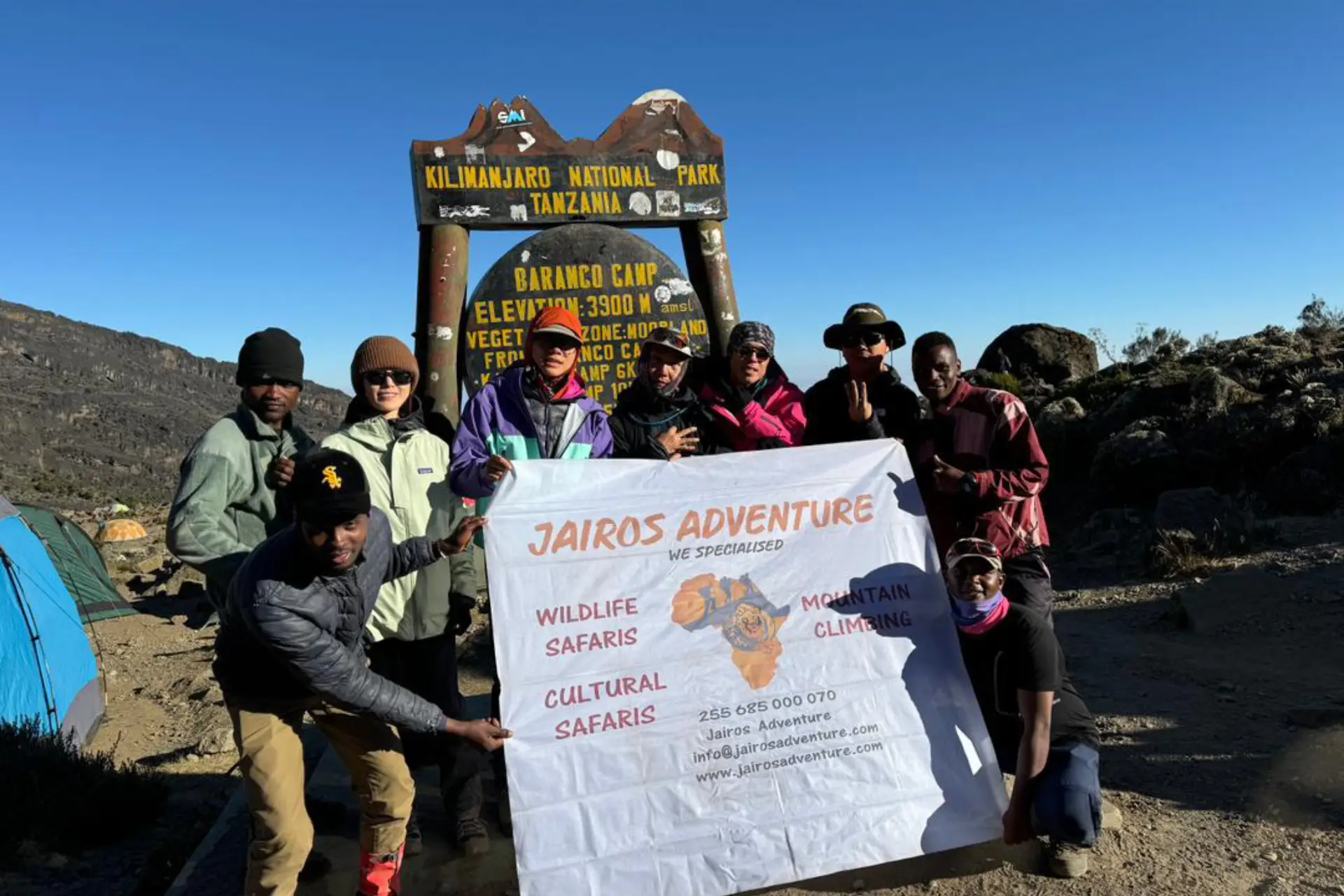
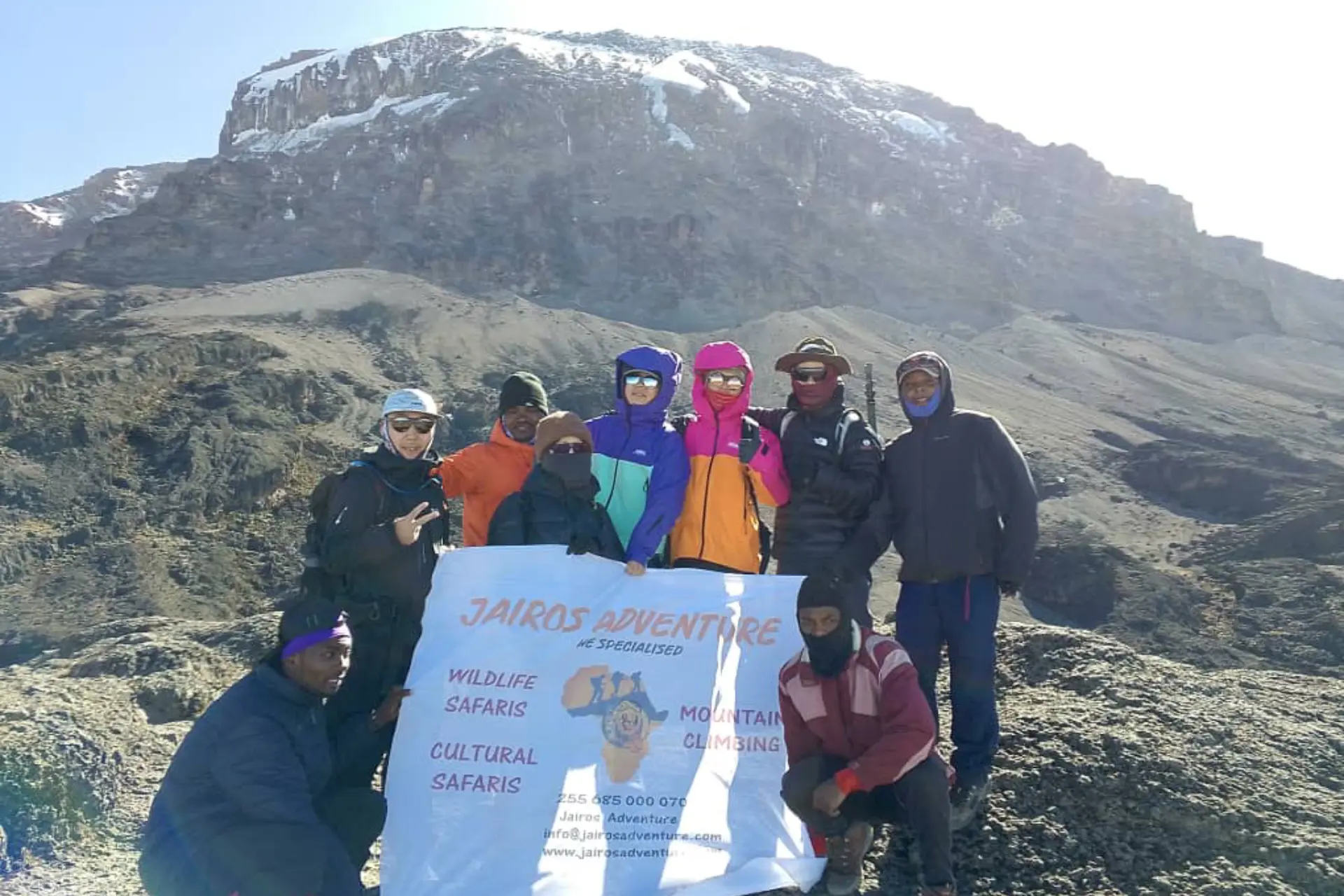
Explore Our Adventures gallery










Customize Your Tour
Start your journey today with an unforgettable African Safari.
Tell us what you’re looking for, and we’ll help turn your travel ideas into an unforgettable experience.