
Tanzania offers one of the most accessible safari experiences in Africa, with options that fit a wide range of budgets. Travelers can choose between budget camping safaris, which cost around $220–$300 per person per day, or budget lodge safaris, priced at $320–$400 per person per day. Camping safaris provide a raw, adventurous feel with nights spent under the stars at public campsites, while lodge safaris offer more comfort with en-suite bathrooms and cozy accommodations. Both options include meals, park fees, professional guides, and shared safari vehicles, ensuring that even budget-conscious travelers can enjoy the thrill of spotting lions, elephants, and wildebeest across the Serengeti and Ngorongoro Crater.
A typical seven-day safari ranges from $1,540 to $2,800 per person, covering all essentials such as accommodation, meals, park entry, game drives, and guiding services. This makes Tanzania’s northern circuit—home to the Serengeti, Ngorongoro, Tarangire, and Lake Manyara—an unbeatable destination for those seeking world-class wildlife encounters without overspending. By traveling in groups, booking early, or mixing camping with lodge stays, visitors can stretch their budget further while still enjoying an unforgettable safari adventure in 2026.
Understanding Tanzania Budget Safari Costs
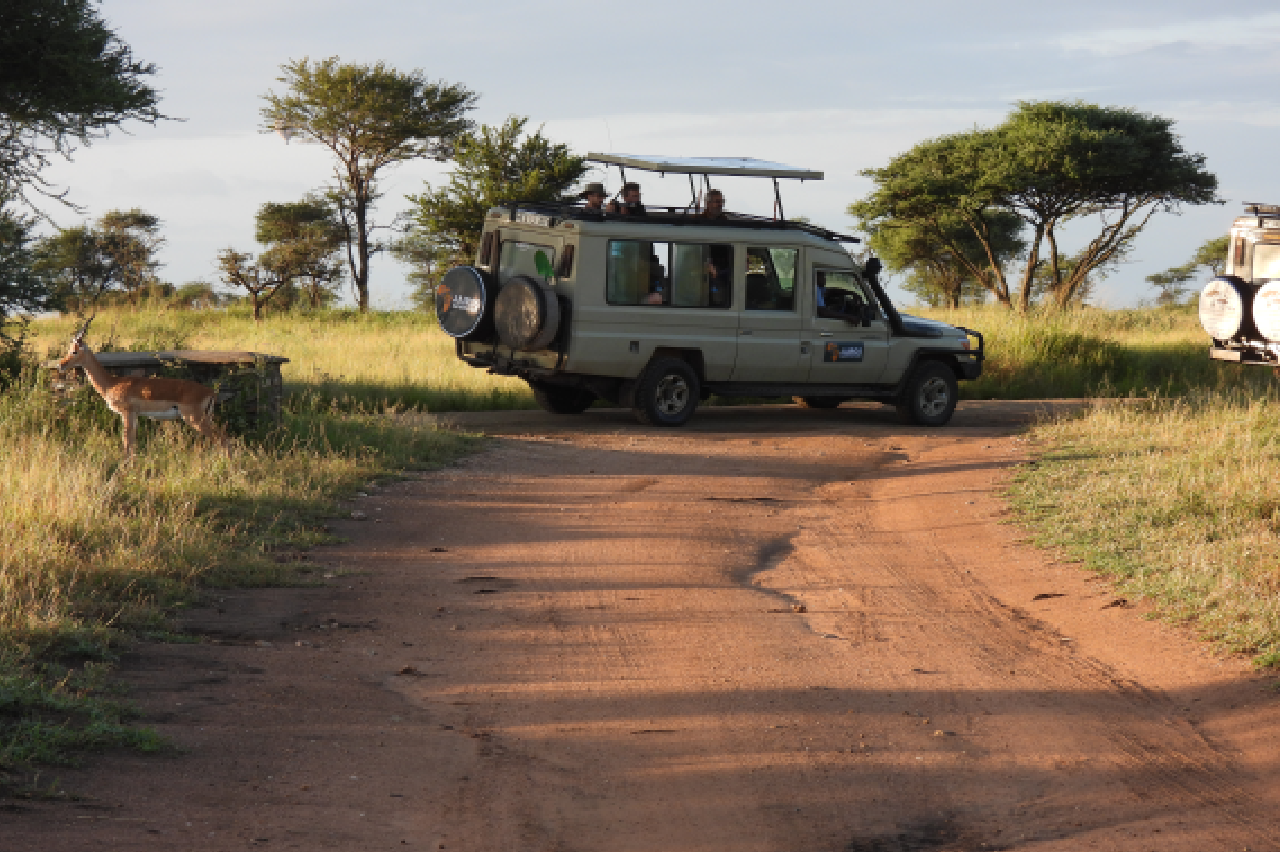
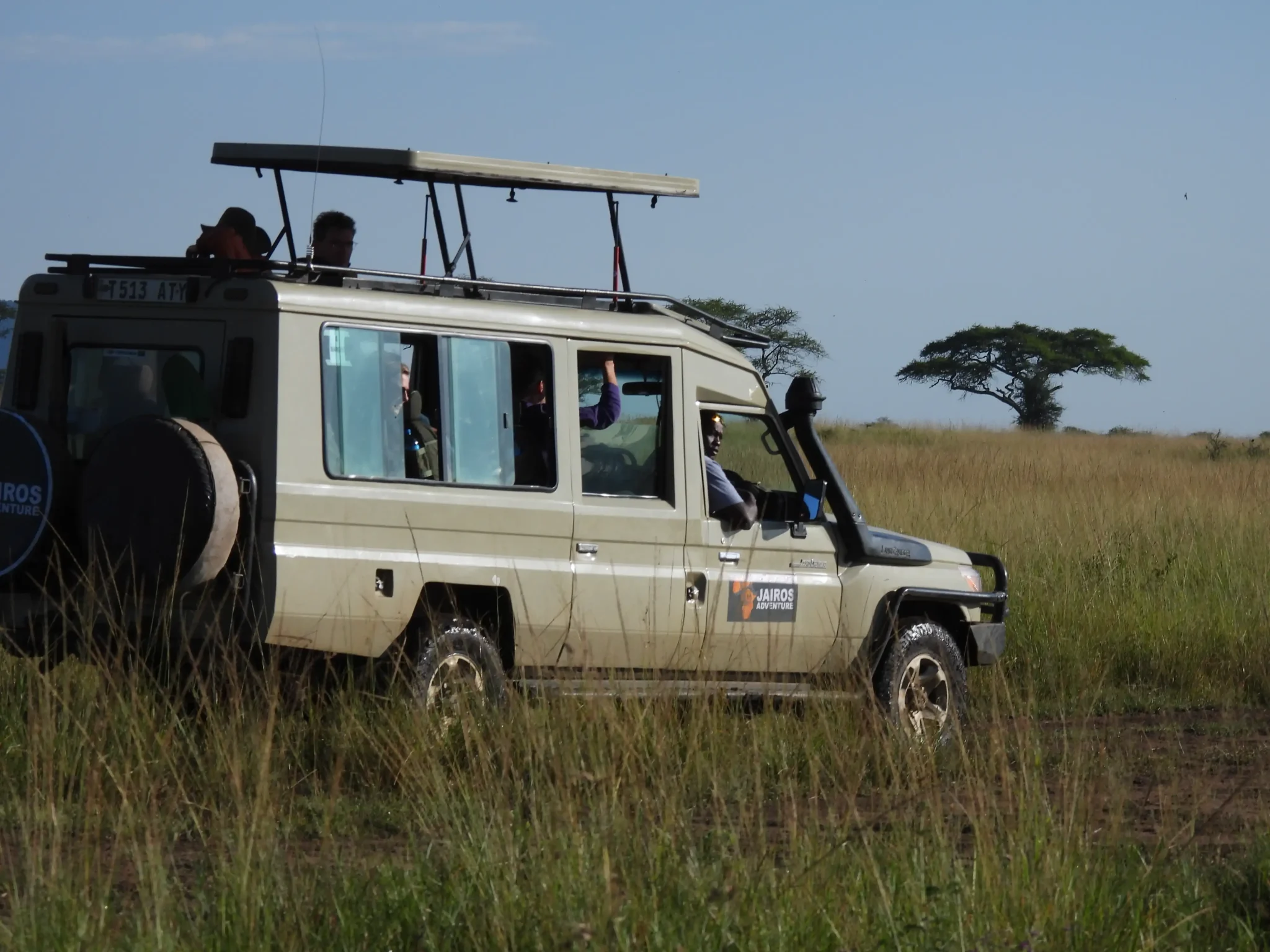
When planning your Tanzania adventure, understanding the pricing structure helps you budget accurately and avoid surprises. A budget camping safari typically costs between $220 and $300 per person per day, which includes accommodation in public campsites, a shared safari vehicle with six to seven fellow travelers, all your meals throughout the day, and a professional guide who knows the parks intimately. If you prefer slightly more comfort, budget lodge safaris range from $320 to $400 per person per day, offering comfortable accommodations with en-suite bathrooms, all meals included, park fees covered, and an experienced guide leading your adventure.
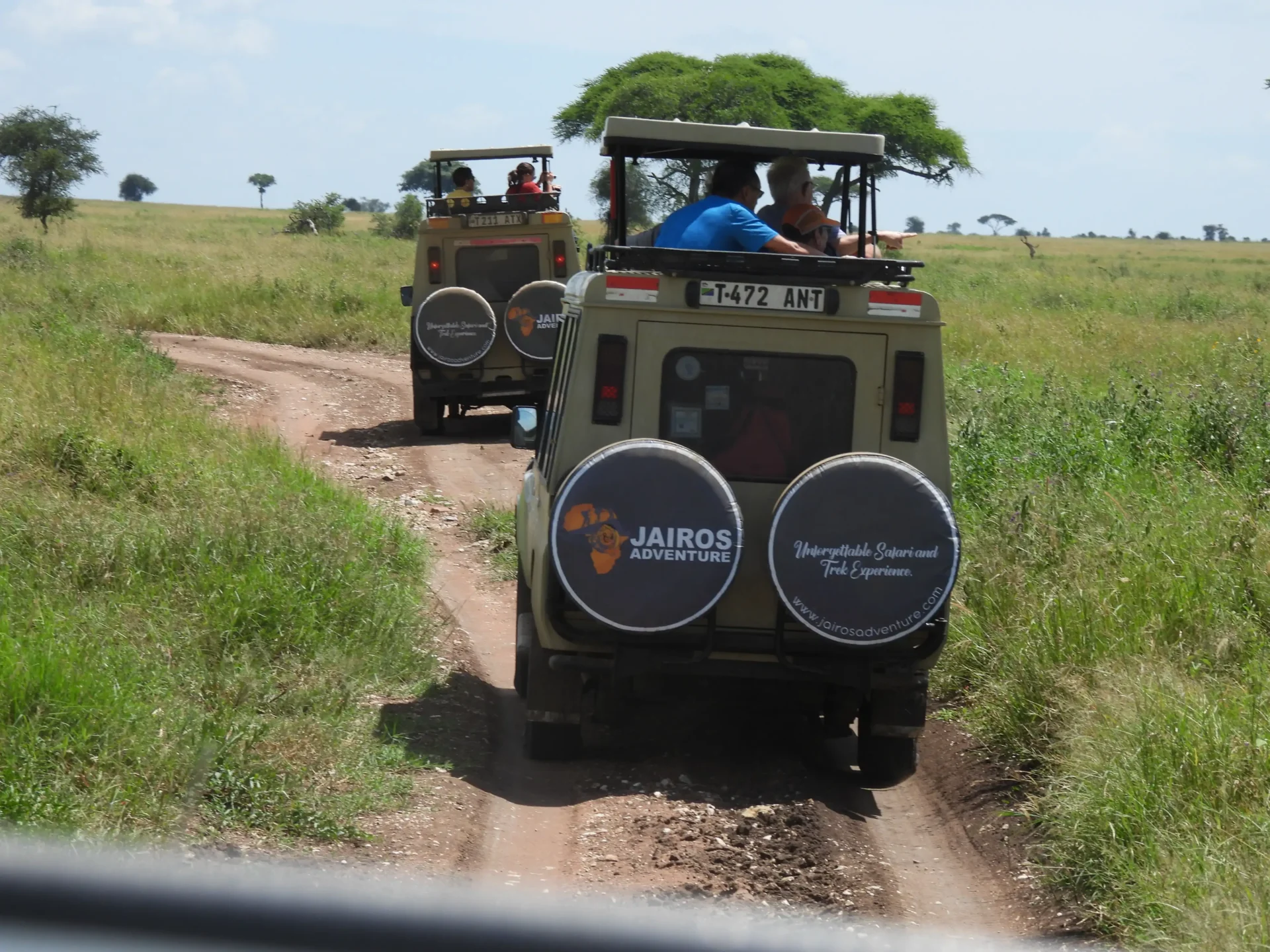
For a complete seven-day safari experience, you should budget between $1,540 and $2,800 per person for an all-inclusive package. This price covers your accommodation throughout the safari, all meals from breakfast through dinner, park entrance fees for all national parks visited, your safari vehicle with a pop-up roof for optimal wildlife viewing, your professional guide who doubles as your driver, and all game drives as outlined in your itinerary. What these prices don’t include are your international flights to Tanzania, your tourist visa which costs between $50 and $100, travel and medical insurance, tips for your guide and camp staff, personal expenses like souvenirs and extra drinks, and any optional activities such as hot air balloon safaris.

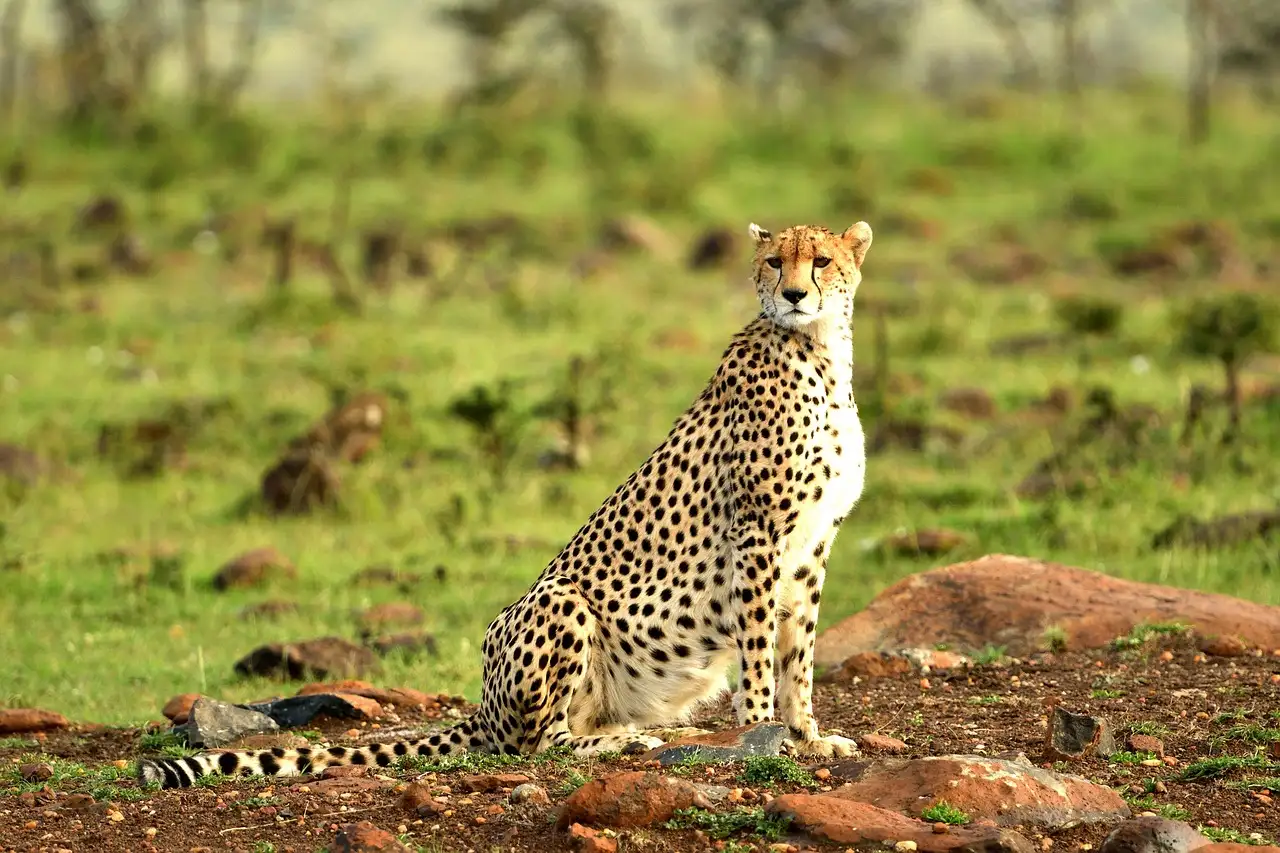
The Serengeti National Park stands as Tanzania’s crown jewel and remains accessible even on a budget. This vast 14,750 square kilometer wilderness hosts the legendary Great Migration and provides opportunities to spot lions, elephants, leopards, cheetahs, and countless other species in their natural habitat. The park entrance fee is $82.60 per adult per day, while camping in public campsites costs just $30 to $50 per night. Budget lodges located just outside the park boundaries offer rooms for $80 to $150 per night, providing a comfortable alternative to camping. The best time to visit on a budget is during the green season from March to May when you can save thirty to fifty percent on accommodation while still enjoying excellent wildlife viewing with far fewer crowds than peak season. Smart budget travelers focus their time in Central Serengeti, particularly the Seronera area, where wildlife concentrations remain high year-round, which reduces the need for long drives and keeps fuel costs down.
Ngorongoro Crater, often called Africa’s Garden of Eden, delivers guaranteed wildlife encounters within its massive volcanic caldera. More than 25,000 animals call this natural amphitheater home, including all of the Big Five, with rare black rhinos making regular appearances. The crater entrance fee is $70.80 per person, and there’s an additional vehicle service fee of $295 that must be paid regardless of group size. However, joining a group safari transforms this seemingly expensive fee into a bargain, as six people splitting the cost pay only about $50 each. Camping on the crater rim costs between $30 and $50 per night, while budget lodges perched on the rim with spectacular views range from $100 to $200 per night. The crater offers exceptional wildlife viewing throughout the year, though visiting during the April to May green season provides the lowest accommodation rates.
Tarangire National Park offers incredible value for budget-conscious safari-goers seeking authentic wildlife encounters. The park hosts more than 3,000 elephants during peak season, along with ancient baobab trees that create a unique and photogenic landscape. With over 550 bird species recorded, it’s also a paradise for bird watchers. The park entrance fee is notably lower at just $59 per adult per day compared to Serengeti, and public camping facilities cost only $30 per night. Because Tarangire attracts fewer tourists than its more famous neighbor, you’ll enjoy more intimate wildlife encounters without the crowds. The best time to visit is from June through October when massive elephant herds gather along the Tarangire River, while November offers excellent wildlife viewing with significantly fewer tourists and better prices.
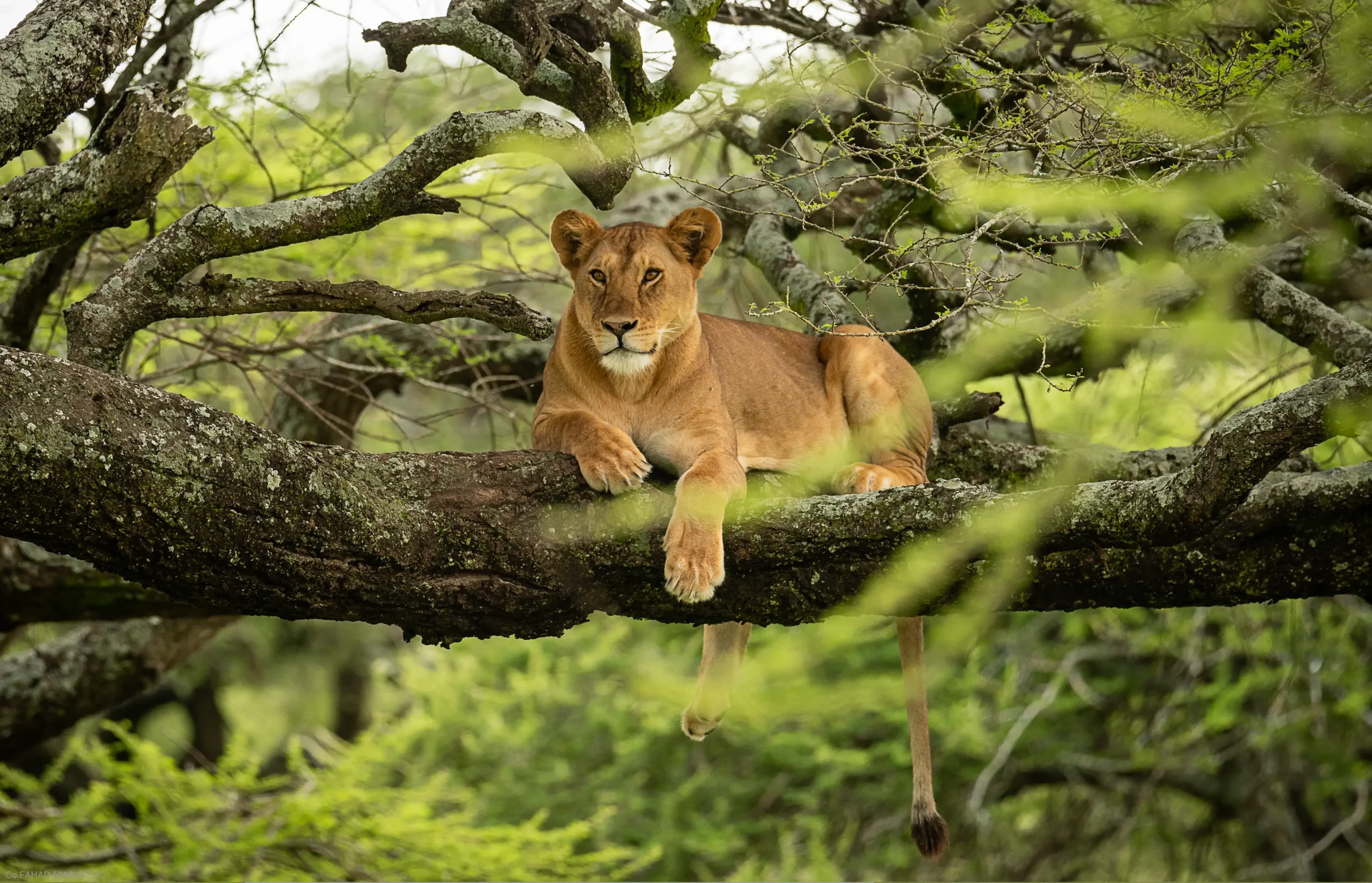
Lake Manyara National Park packs remarkable diversity into a compact area, making it perfect for budget travelers who want to maximize their experiences while minimizing costs. The park gained fame for its tree-climbing lions, though thousands of flamingos that gather along the lake shore and the diverse ecosystems ranging from groundwater forest to open savanna create equally compelling reasons to visit. Park entrance fees are set at $59 per adult per day, and because the park is relatively small, you’ll spend less on fuel while covering all the main attractions. Many budget safaris visit Lake Manyara as a half-day excursion, which keeps costs down while adding variety to your itinerary. The park combines particularly well with Tarangire for a budget-friendly two to three-day safari option.
Traveling during the green season from March through May represents the single most effective way to reduce your safari costs. During these months, accommodation prices drop by forty to fifty percent compared to peak season rates, yet wildlife viewing remains excellent as the landscape transforms into a lush green paradise. The Serengeti’s calving season occurs during this period, bringing thousands of newborn wildebeest and the predators that follow them. While light rains do fall during these months, they typically arrive as short afternoon showers rather than all-day downpours, and they rarely interfere with morning game drives when animals are most active. The combination of dramatic price reductions, fewer tourists at wildlife sightings, photogenic green landscapes, baby animals everywhere, and the spectacular calving season makes green season travel an incredible value.
Joining a group safari rather than booking a private tour can reduce your costs by thirty to forty percent while adding a social dimension to your adventure. When you join a group of four to six travelers, you share the vehicle costs, fuel expenses, guide fees, and the expensive Ngorongoro Crater service fee among all participants. Group camping safaris typically cost between $220 and $280 per person per day, compared to $350 or more for private budget safaris. You can find group safaris by booking directly with operators based in Arusha, searching on platforms like SafariBookings.com, checking hostel notice boards in Arusha for last-minute opportunities, or joining through travel community groups on social media.
Booking directly with local Tanzanian operators rather than through international travel agencies can save you fifteen to thirty percent by eliminating middleman commissions. Direct booking offers several additional advantages including better rates through WhatsApp or email negotiations, the opportunity to support Tanzanian-owned businesses that reinvest in their communities, access to 24/7 local support throughout your safari, and often more flexibility in customizing your itinerary. To verify that an operator is reputable, check their membership with TATO (Tanzania Association of Tour Operators), read recent reviews from 2025 and 2026 on TripAdvisor, verify their listing on SafariBookings.com, request references from recent clients, and confirm they have a physical office in Arusha.
Choosing camping over lodge accommodation cuts your safari costs roughly in half while delivering an authentic African bush experience. Public campsites within the national parks cost just $30 to $50 per night compared to $150 to $300 for budget lodges. Beyond the cost savings, camping inside the parks means you’re already positioned near the wildlife at sunrise when animals are most active, and you’ll fall asleep to the sounds of hyenas calling and lions roaring in the distance. Your safari operator provides all camping equipment including tents, sleeping bags, mattresses, camp chairs and tables, and your safari cook prepares three meals daily plus snacks. While the facilities are basic with simple toilets and showers, armed rangers patrol all public campsites and animals rarely enter camping areas, making this a safe and memorable way to experience Tanzania.
Optimizing your safari route by focusing on the essential northern circuit parks keeps costs down while maximizing wildlife encounters. The most budget-friendly five to seven-day itinerary starts in Arusha, spends one day in Tarangire National Park, dedicates two to three days to Central Serengeti where wildlife viewing is consistently excellent, includes one full day for Ngorongoro Crater, and returns to Arusha for your onward journey. This route works efficiently because it focuses only on must-see parks without adding expensive side trips, minimizes long driving distances that consume fuel and time, allows for multiple days in the Serengeti which is essential for witnessing the diversity of wildlife and landscapes, and can be completed as a budget camping safari for just $1,100 to $1,400 total per person.
A five-day budget camping safari provides an excellent introduction to Tanzania’s northern circuit without overwhelming your budget. The itinerary typically begins in Arusha, where you’ll meet your guide and fellow travelers before heading to Tarangire National Park for your first night of camping among elephants and baobabs. Day two involves a scenic drive to the Serengeti with camping in the Seronera area, followed by a full day of game drives on day three exploring different areas of Central Serengeti. On day four, you’ll enjoy a morning game drive before heading to Ngorongoro where you’ll camp on the crater rim, and the final day features an early descent into the crater for a half-day of spectacular wildlife viewing before returning to Arusha. This complete package costs between $1,100 and $1,400 per person with accommodation in public campsites, a group size of four to six people, and all park fees, meals, camping equipment, guide services, and vehicle included in the price.
For those preferring slightly more comfort, a seven-day budget lodge safari provides en-suite accommodations while still maintaining reasonable costs. This longer itinerary allows you to spend a day in Tarangire, visit Lake Manyara National Park to see the tree-climbing lions and flamingos, dedicate two full days to exploring different areas of the Serengeti, enjoy a full day around Ngorongoro including the crater descent, and still have time for a relaxed return to Arusha or connection to Zanzibar. Budget lodges and tented camps with private bathrooms make this option more comfortable, and the total cost ranges from $2,240 to $2,800 per person with all park fees, meals, lodge accommodations, guide services, and transportation included.
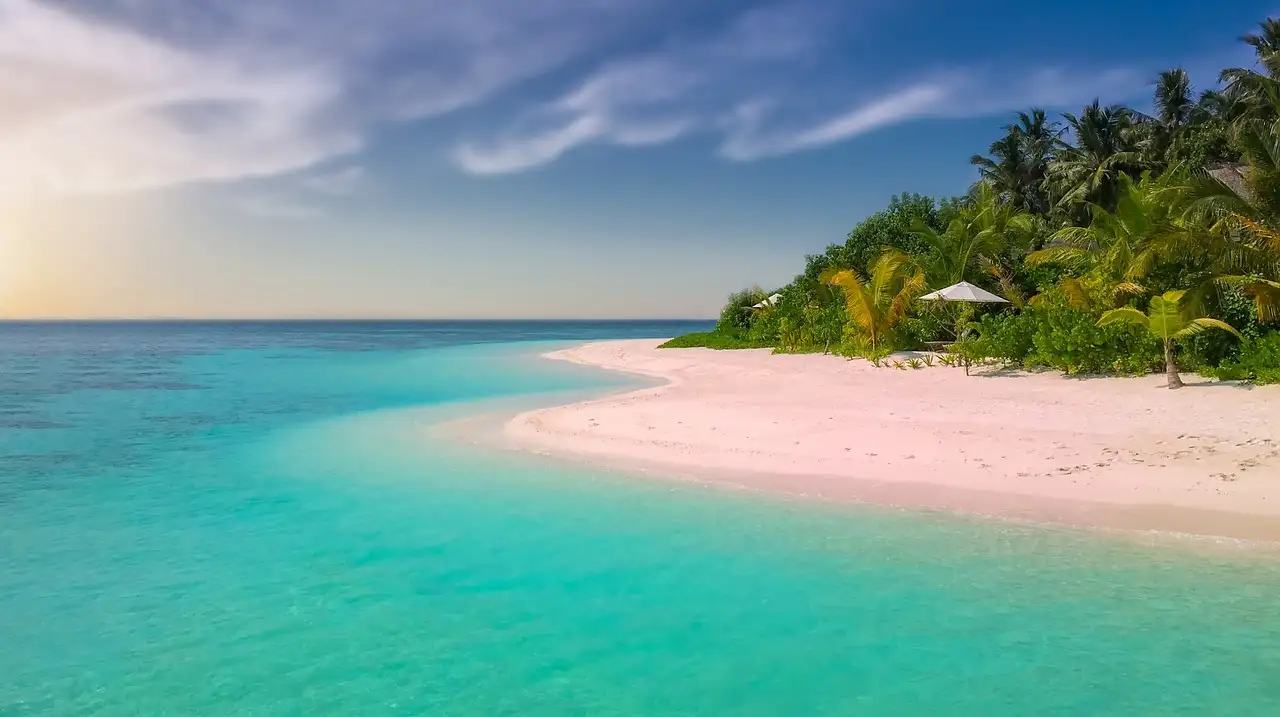
The ultimate ten-day safari and beach combination offers the complete Tanzania experience by pairing six days of northern circuit safari with four days of relaxation on Zanzibar’s pristine beaches. After your wildlife adventures in Tarangire, Lake Manyara, Serengeti, and Ngorongoro, you’ll fly or take the ferry to Zanzibar where budget guesthouses near the beach provide comfortable accommodations for unwinding after your safari. This comprehensive package typically costs between $2,500 and $3,200 per person and perfectly balances adventure with relaxation.
Beyond your safari package price, several mandatory expenses require planning. Your Tanzania tourist visa costs between $50 and $100 and should be obtained through the official eVisa portal before your trip. International flights to Tanzania typically range from $800 to $1,500 depending on your origin and travel dates. A Yellow Fever vaccination certificate is required for entry into Tanzania and costs between $150 and $200 from travel health clinics. Travel and medical insurance covering safari activities costs approximately $100 to $150 for a two-week trip and is essential for peace of mind.
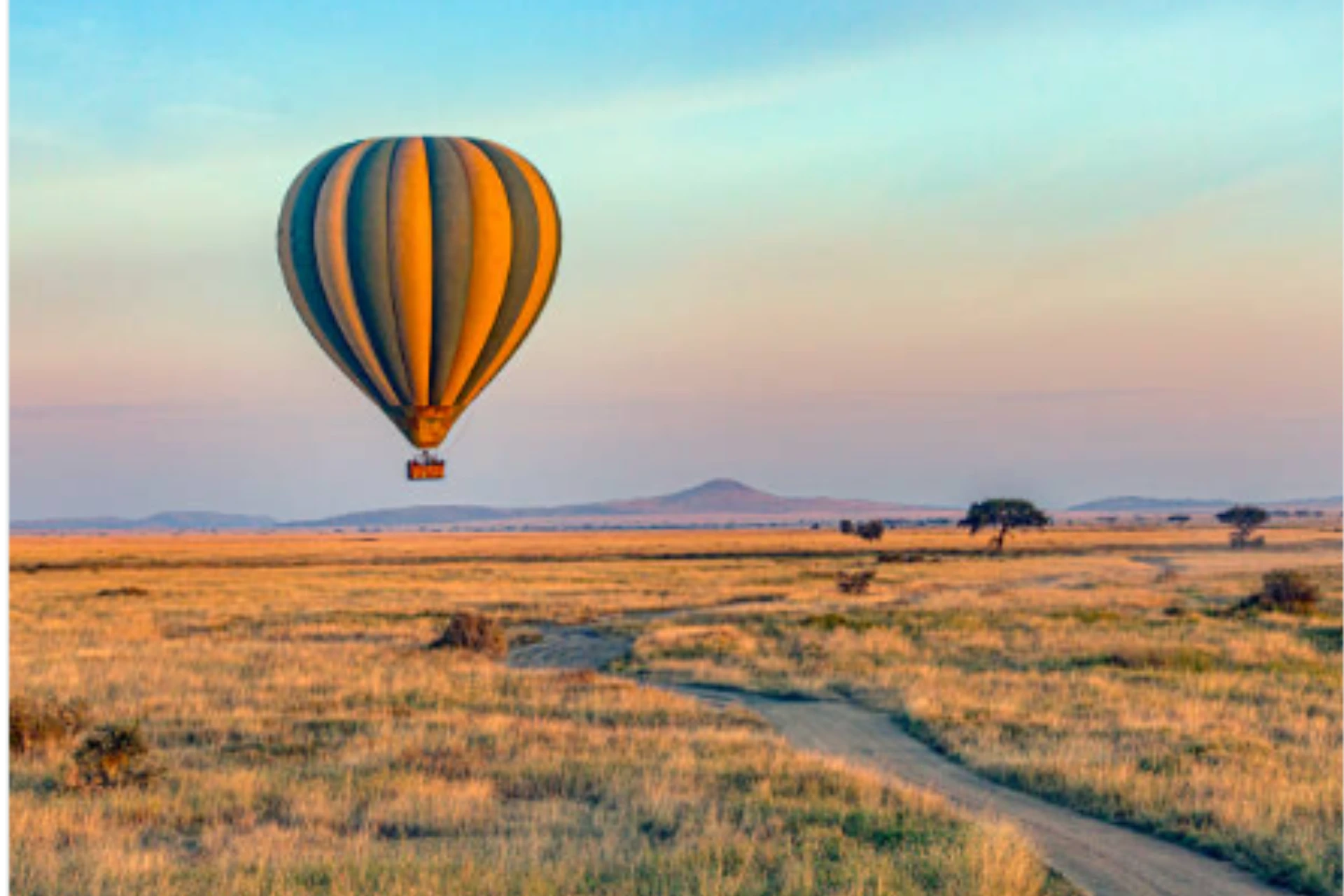
Once on safari, additional expenses accumulate gradually. Tipping your guide and camp cook is customary at $15 to $20 per day shared among your group members. Beverages at lodges cost $2 to $5 each, which adds up over a week. The optional hot air balloon safari over the Serengeti costs $550 per person but provides an unforgettable perspective on the landscape. Budget between $20 and $100 for souvenirs depending on your shopping enthusiasm. Setting aside an extra $500 to $800 for these additional expenses ensures you won’t face any unpleasant financial surprises during your adventure.
The green season from March through May offers the best value for budget-conscious travelers. Accommodation prices drop by thirty to fifty percent compared to peak season, making this the most affordable time to visit. Fewer tourists mean you’ll have wildlife sightings largely to yourself, and the landscape transforms into a lush, vibrant green that’s stunning for photography. The Serengeti calving season brings thousands of newborn wildebeest between January and March, creating incredible predator action. While afternoon rains do occur, they’re typically brief and shouldn’t deter you from visiting during this excellent value period.
November represents an ideal shoulder season for balancing cost and conditions. Prices drop by twenty to thirty percent below peak season rates, wildlife viewing improves as the dry season begins and animals concentrate around water sources, the short rains clear quickly and rarely disrupt game drives, and you can witness the migration herds moving south toward their calving grounds. This month offers sweet spot pricing between the expensive dry season and the deeply discounted green season.
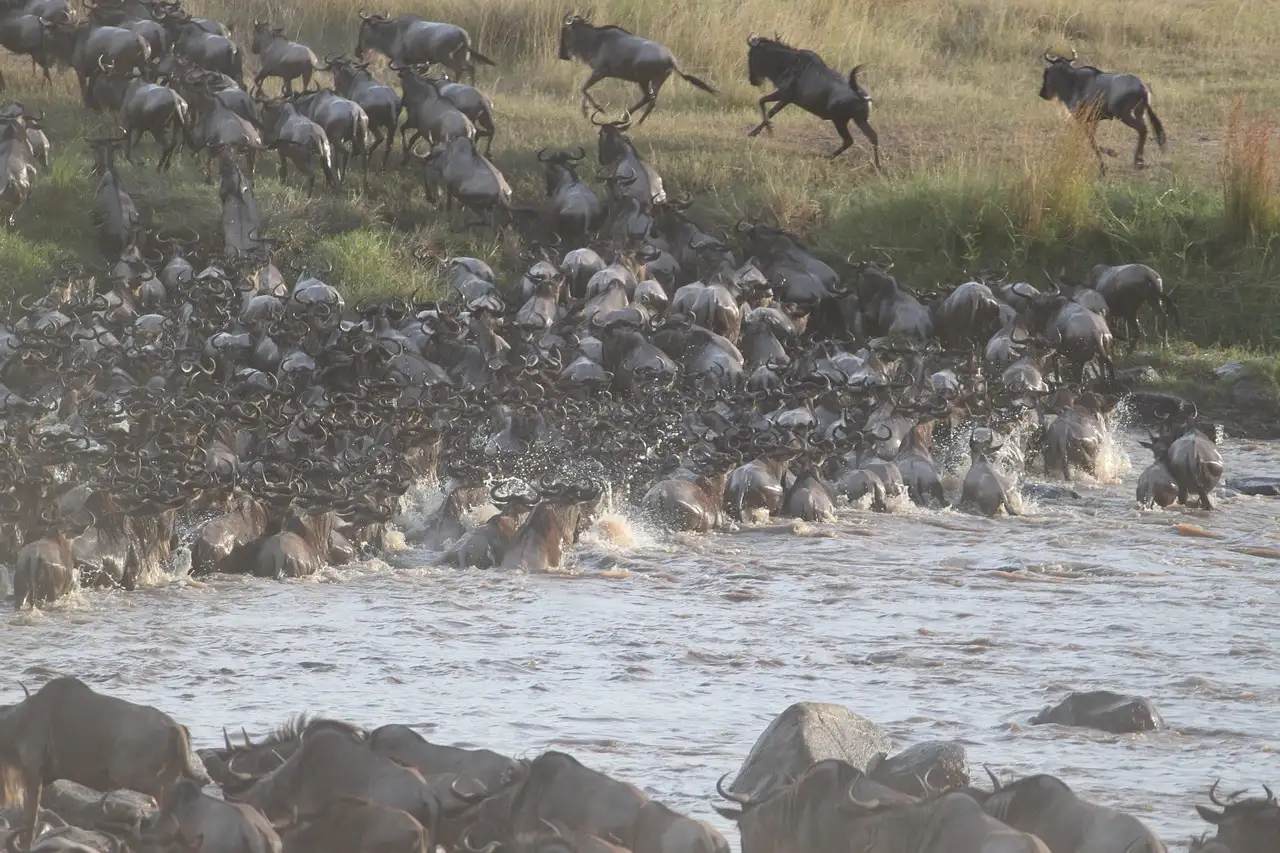
The peak season from June through October and December through February delivers the most predictable weather conditions but comes with the highest prices. Dry weather virtually guarantees you won’t face rain during game drives, the Great Migration river crossings occur from July through September creating spectacular wildlife drama, and overall wildlife viewing reaches its peak as animals concentrate around limited water sources. However, increased demand from school holidays worldwide drives prices up significantly, so if you must travel during these months, booking six to eight months in advance often secures early-bird discounts and guarantees spots on popular group safaris.
Tanzania’s spectacular wildlife, stunning landscapes, and authentic safari experiences are more accessible than many travelers realize. With strategic planning focusing on green season travel, group safari participation, direct booking with local operators, camping accommodation, and optimized routing, your dream of witnessing the Serengeti can become a reality for under $2,000 for a week-long adventure.
Your next steps are straightforward: choose your preferred travel dates with green season from March through May offering the best value, request detailed quotes from two or three reputable Arusha-based operators, carefully compare what each package includes to ensure you’re making fair comparisons, read recent reviews from 2025 and 2026 on TripAdvisor to verify operator quality, book directly with your chosen operator to save fifteen to thirty percent on commissions, and confirm all details including accommodation types, park fees, meals, and guide qualifications in writing before paying any deposit.
Tanzania’s incredible wildlife awaits your arrival, and with this comprehensive guide, you now have all the information needed to plan an unforgettable budget safari. The lions, elephants, and wildebeest of the Serengeti don’t care whether you’re camping or staying in luxury lodges—they’ll provide the same spectacular sightings that make Tanzania one of the world’s premier safari destinations. Your adventure is more affordable than you ever imagined, so start planning today and prepare for the experience of a lifetime.
Explore Our Adventures gallery

Customize Your Tour
Start your journey today with an unforgettable African Safari.
Tell us what you’re looking for, and we’ll help turn your travel ideas into an unforgettable experience.