
Discover Africa through Tanzania vs Uganda Safari Guide 2026
Ultimate Tanzania vs Uganda Safari Guide 2026
If you have been dreaming of an East Africa safari and keep asking yourself which destination deserves your time, your money, and your once-in-a-lifetime experience, you are not alone. The Tanzania vs Uganda safari debate is one of the most common questions we hear from travelers every single year — and for good reason. Both countries deliver jaw-dropping wildlife, extraordinary landscapes, and memories that will follow you home for the rest of your life. But they do it in completely different ways.
In this ultimate Tanzania vs Uganda safari guide for 2026, we break down everything you need to know: wildlife, cost, best time to go, national parks, accessibility, and the unique experiences each country offers. Whether you are a first-time safari-goer or a seasoned Africa traveler, this is the guide you need before you book.
Tanzania vs Uganda Safari: Two Completely Different Worlds
Understanding the Tanzania vs Uganda safari debate starts with accepting one fundamental truth — these two countries are not competing for the same traveler. They offer deeply different experiences, shaped by dramatically different ecosystems, wildlife, and adventure types.
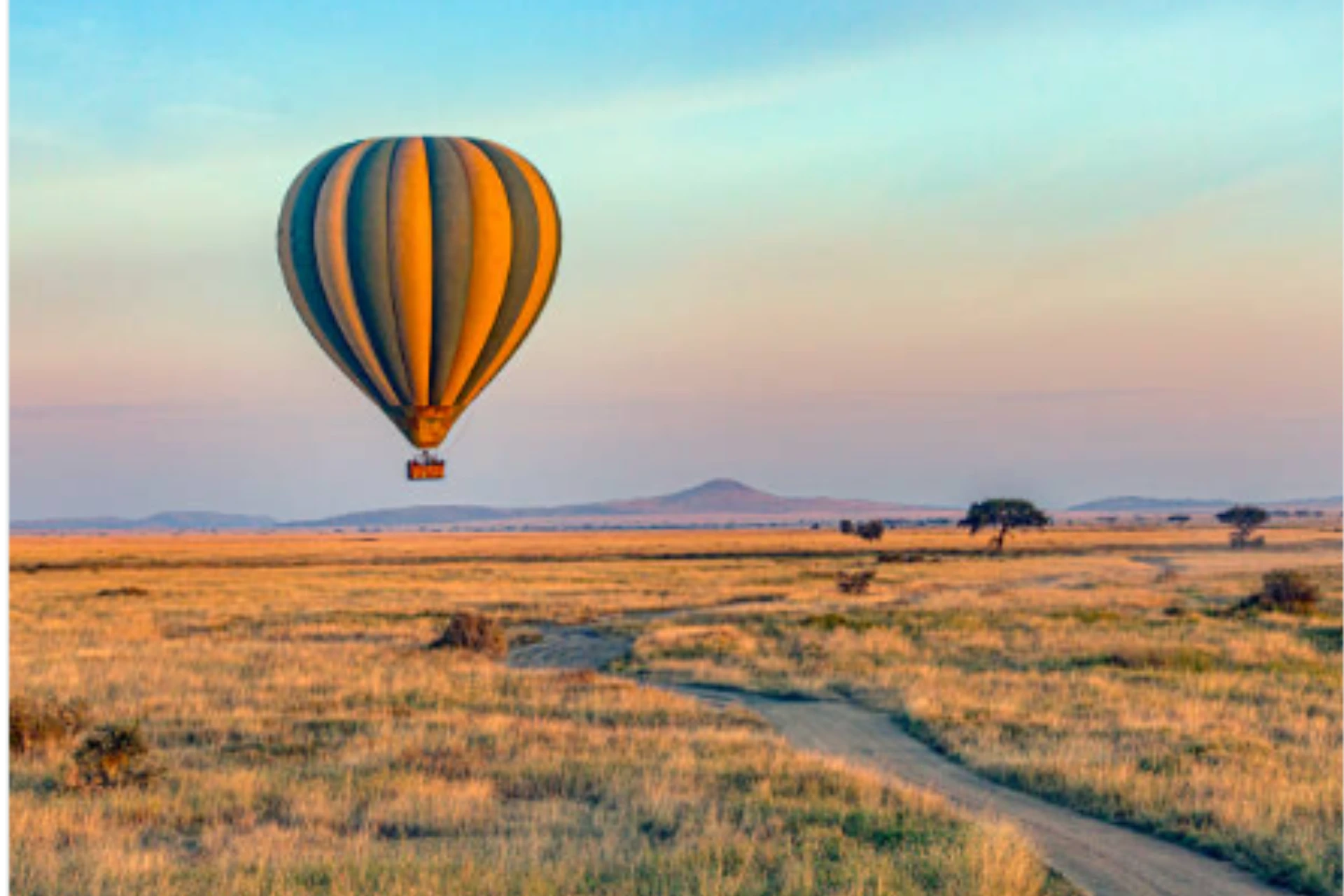
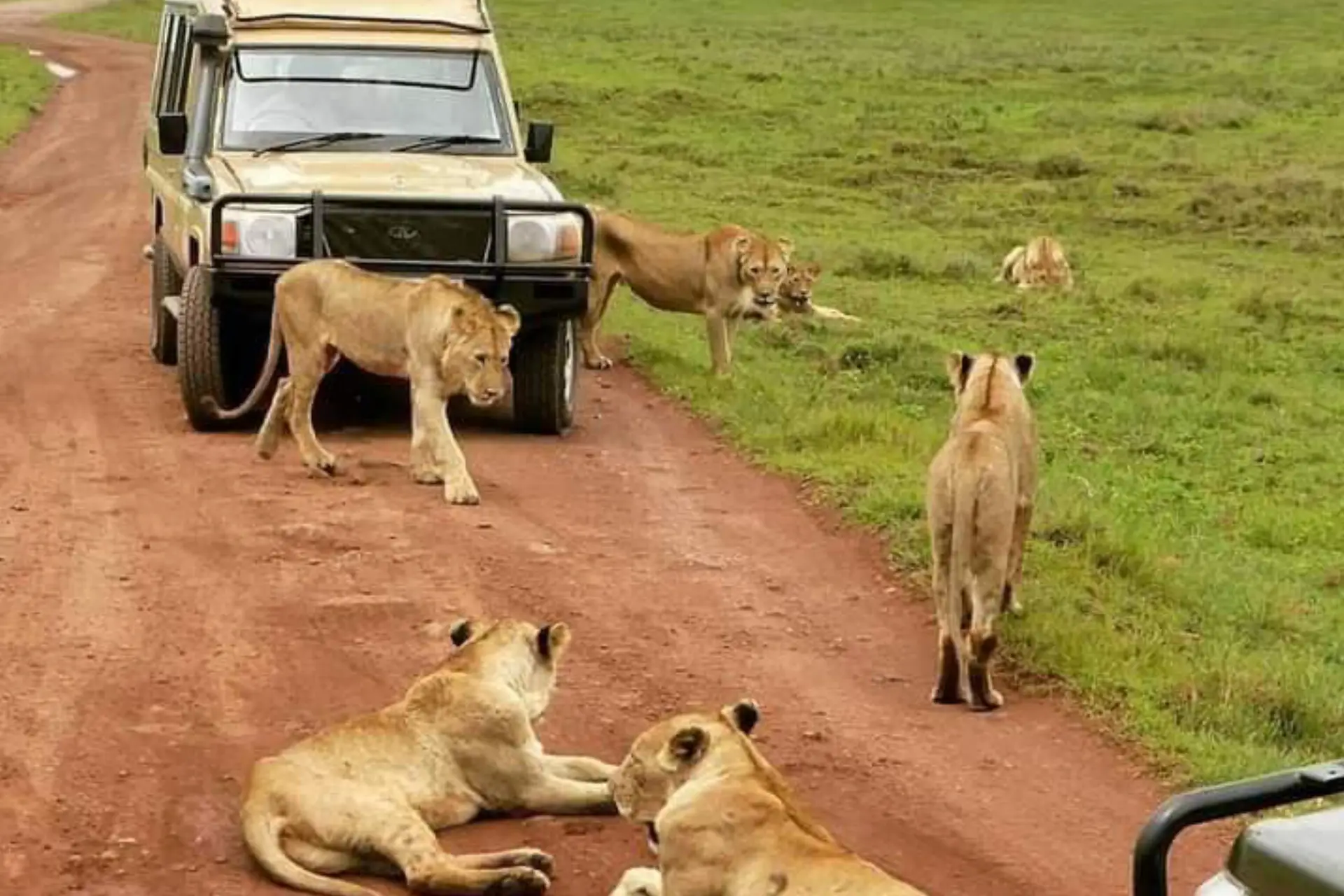
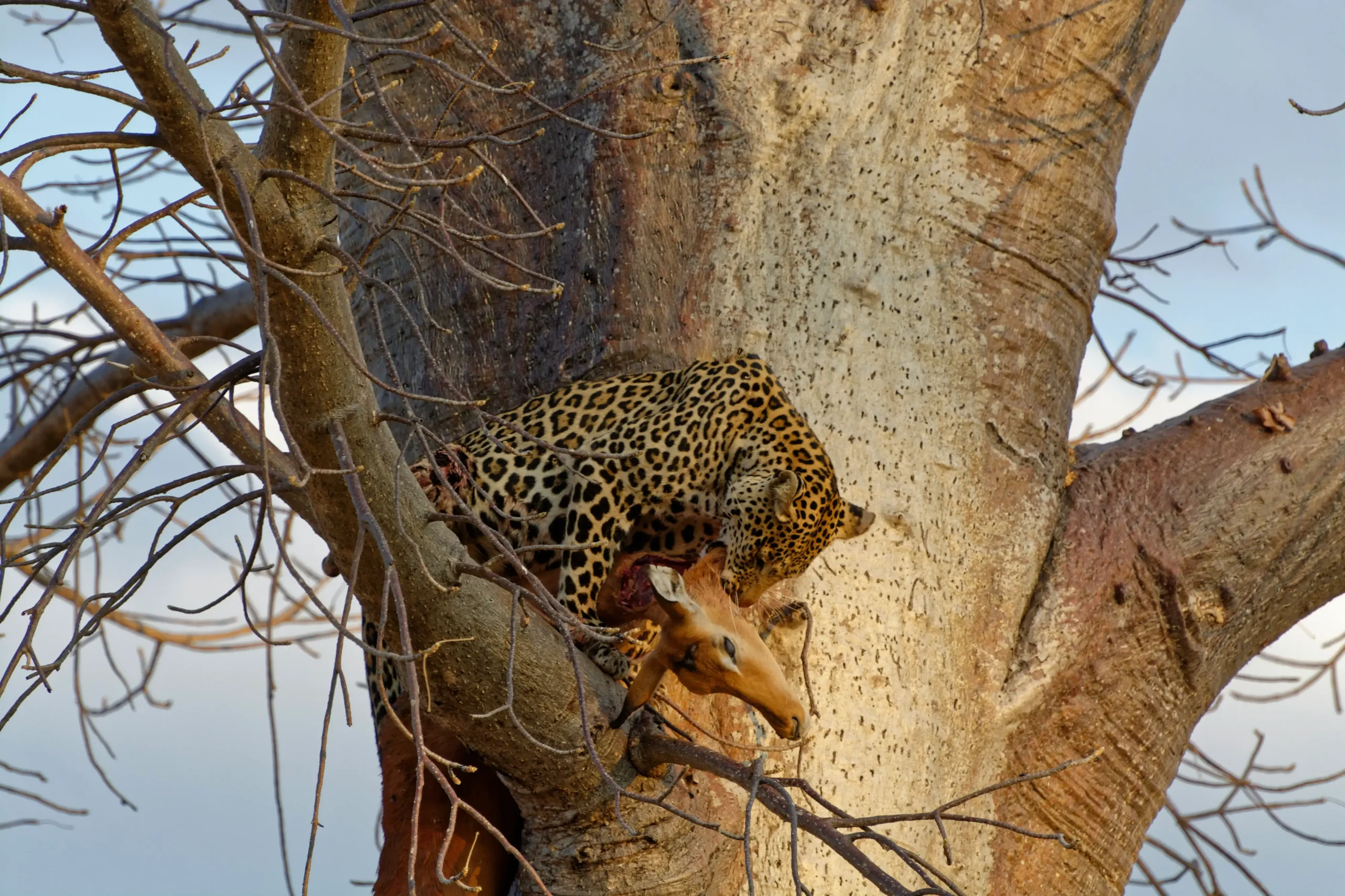
Tanzania is the land of the classic African safari. Think sweeping golden savannahs, enormous herds of wildebeest thundering across the Serengeti, lions lounging on kopjes at sunset, leopards draped over acacia branches, and the extraordinary spectacle of the Great Migration — the largest wildlife movement on Earth. Tanzania’s parks are massive, its skies are enormous, and its wildlife game-viewing is among the most spectacular on the planet.
Uganda, on the other hand, is the Pearl of Africa — a country of lush, mist-wrapped rainforests, dramatic crater lakes, and the most intimate wildlife encounter on Earth: coming face to face with a family of endangered mountain gorillas in the ancient depths of Bwindi Impenetrable National Park. Uganda offers a more forest-based, primate-focused safari experience that is raw, personal, and profoundly moving in ways that open plains simply cannot replicate.
When comparing Tanzania vs Uganda safari experiences, neither country wins outright. What matters is what kind of adventure you are chasing.
Wildlife: Tanzania vs Uganda Safari — Who Wins?
Tanzania’s Wildlife: The Big Five and Beyond
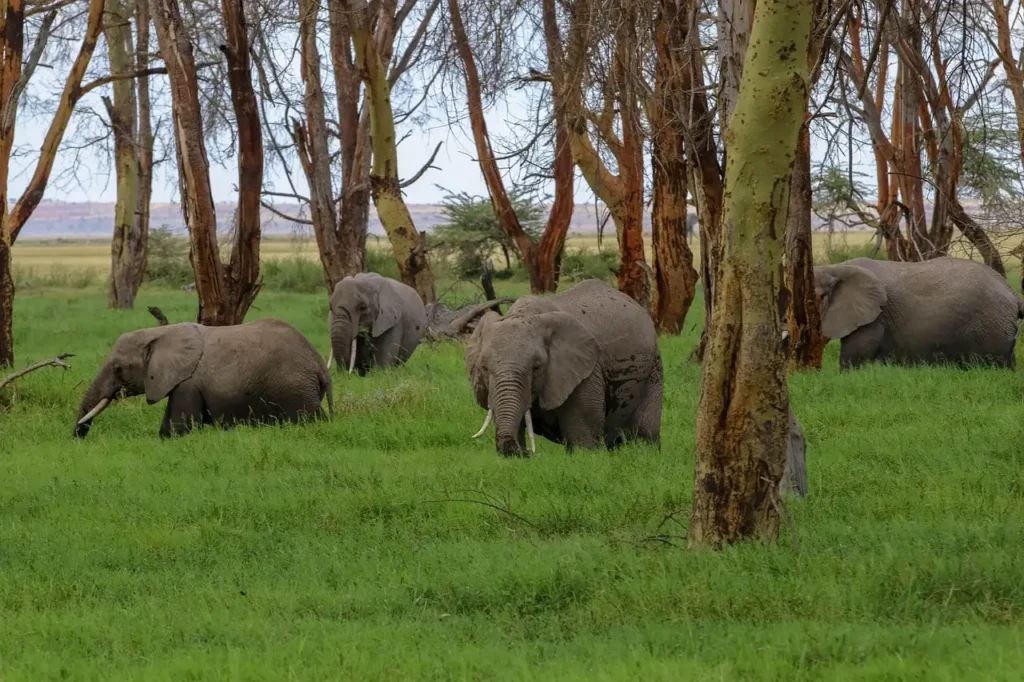
Tanzania hosts some of the most wildlife-rich ecosystems in Africa. The Serengeti National Park alone spans nearly 15,000 square kilometers of open grassland, woodland, and riverine forest — a landscape so vast that animals roam freely across a wilderness that feels genuinely untamed. The Ngorongoro Crater, a collapsed volcanic caldera 600 meters deep, holds one of the highest concentrations of wildlife anywhere on Earth, including lions, elephants, buffalo, black rhinoceros, and hippos in a single self-contained ecosystem.
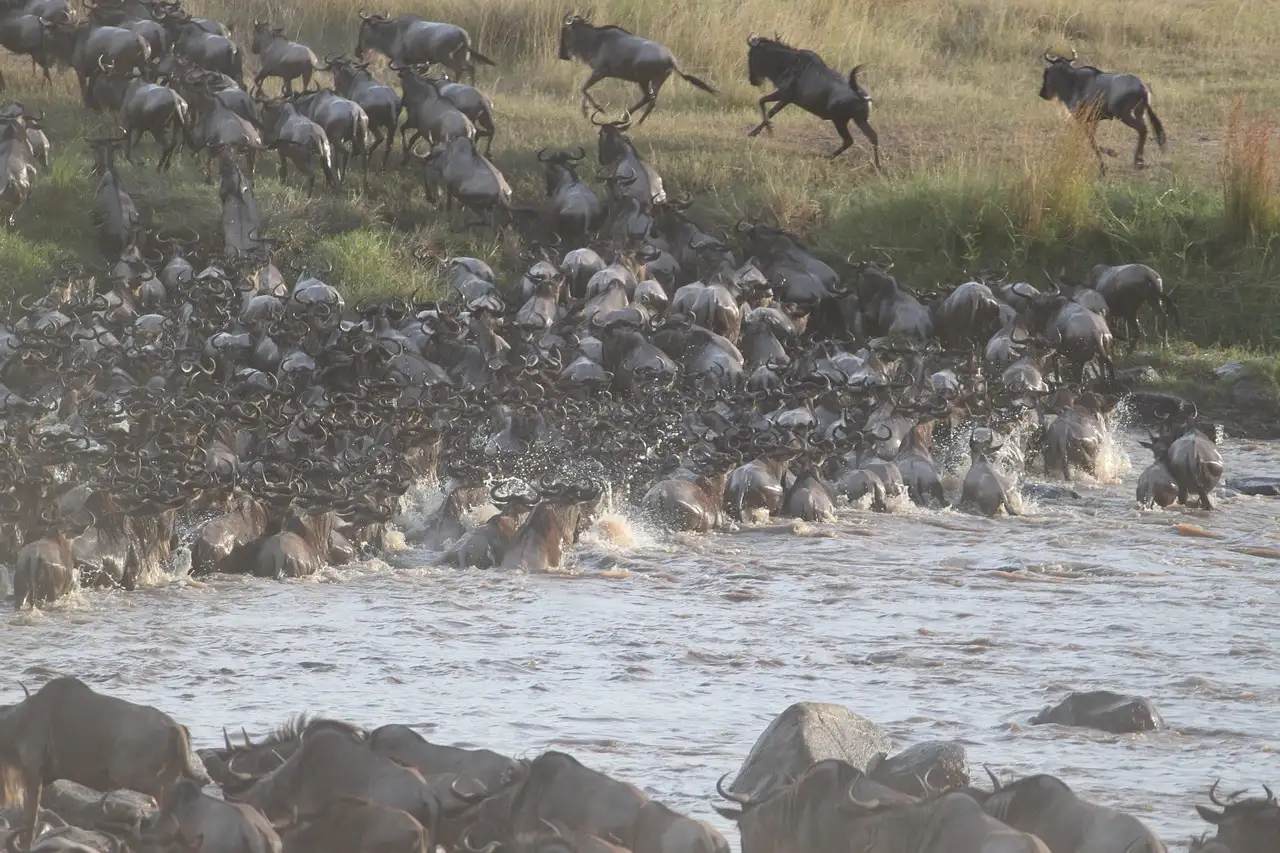
Tanzania is one of the only places in Africa where you can reliably see all of the Big Five — lion, elephant, leopard, buffalo, and rhinoceros — within a single national park. The Great Migration, in which more than 1.5 million wildebeest, hundreds of thousands of zebras, and vast herds of gazelles move in a continuous clockwise loop across the Serengeti and into Kenya’s Masai Mara, is the most spectacular wildlife event on Earth. Witnessing the Mara River crossings — when wildebeest plunge into crocodile-filled waters in a chaotic, thundering rush — is one of the most extraordinary things a human being can watch.
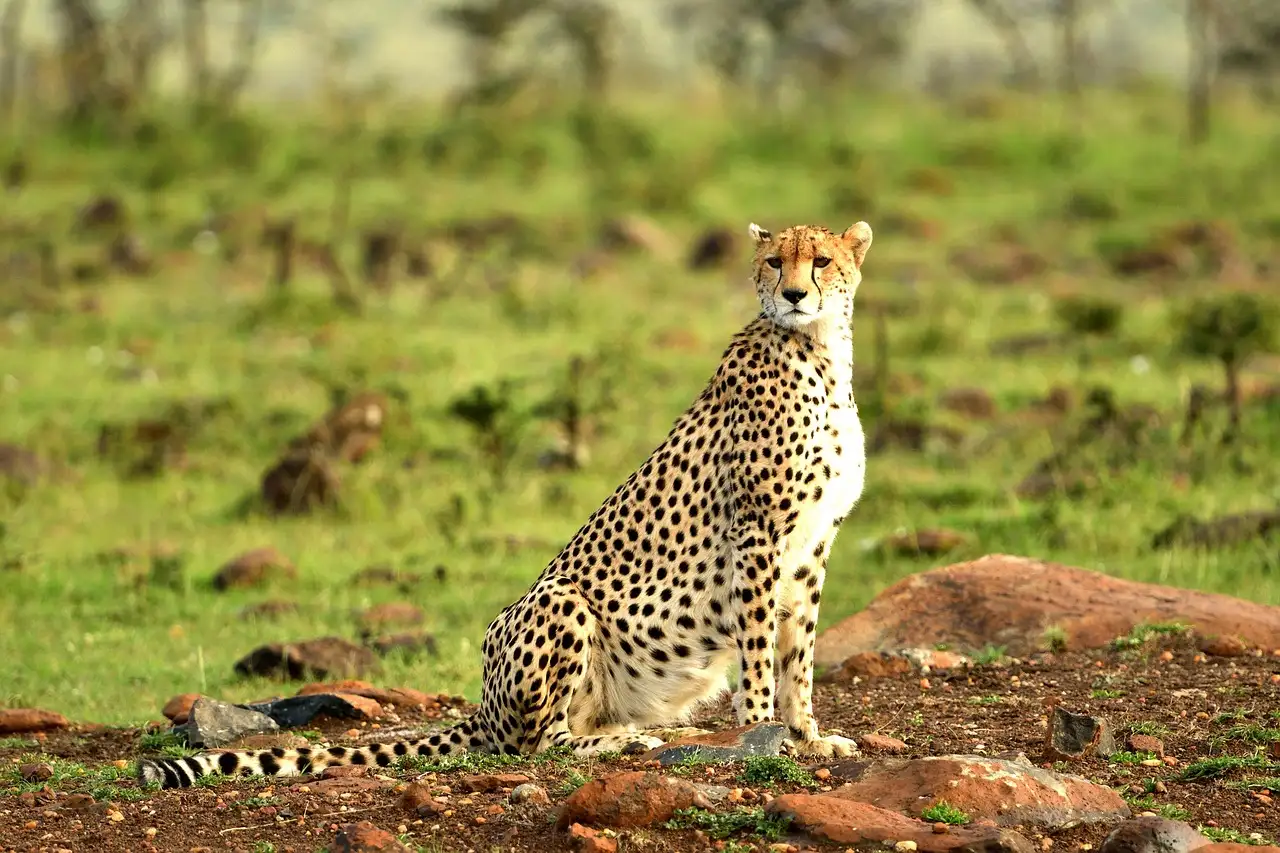
Tanzania’s predator density is remarkable. Lions, cheetahs, leopards, wild dogs, and hyenas all thrive in the abundance of prey created by the Migration and the park’s extraordinary habitat diversity.
Uganda’s Wildlife: Gorillas, Chimps, and Forest Encounters
Uganda’s wildlife story is built around primates. The country is home to more than half of the world’s remaining mountain gorillas — a species so endangered and so deeply human-like that spending an hour in their presence is consistently described by travelers as one of the most emotional experiences of their lives. Gorilla trekking in Bwindi Impenetrable National Park or Mgahinga Gorilla National Park puts you within meters of silverbacks, mothers cradling infants, and playful juveniles tumbling through the forest undergrowth — a connection with the wild that no game drive can match.
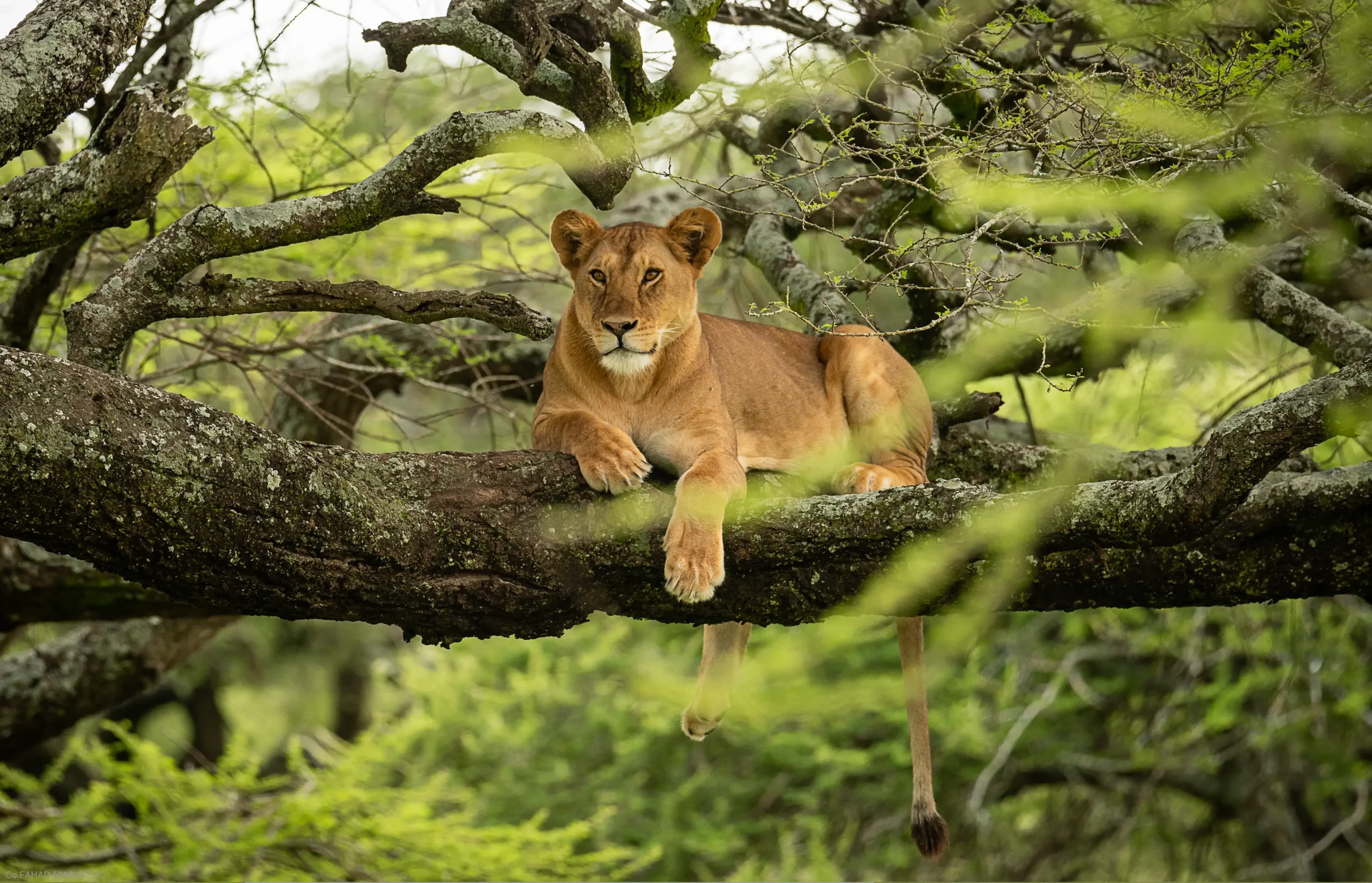
Uganda is also the best place in the world to track chimpanzees. Kibale National Park holds Africa’s highest density of these endangered primates, and habituation experiences allow travelers extraordinary close-up time with chimpanzee communities. Beyond primates, Uganda’s Queen Elizabeth National Park is famous for its tree-climbing lions in the Ishasha sector, its massive hippo populations on the Kazinga Channel, and the stunning boat safari along the Nile at Murchison Falls National Park.
In the Tanzania vs Uganda safari wildlife comparison, Tanzania offers more diverse and densely concentrated savannah wildlife, while Uganda offers unmatched primate encounters and a forest-based safari experience unlike anything else in Africa.
Cost Comparison: Tanzania vs Uganda Safari
Tanzania Safari Cost in 2026
Tanzania sits at the higher end of the East Africa safari cost spectrum. National park fees are significant — the Serengeti charges approximately $80 per person per day, while the Ngorongoro Conservation Area charges around $70 per person per day. Accommodation inside Tanzania’s top parks, from permanent tented camps in the Serengeti to luxury lodges on the crater rim, ranges from $300 per night at mid-range properties to well over $1,500 per night at premium camps.
A mid-range 7-day Tanzania safari typically costs between $4,000 and $7,000 per person including accommodation, park fees, game drives, and a professional guide. Luxury itineraries can easily exceed $10,000 per person for the week. Tanzania’s pricing reflects the extraordinary quality of its parks, the exclusivity of its wilderness areas, and the world-class safari infrastructure that has been built over decades.
Uganda Safari Cost in 2026
Uganda safaris are generally more affordable in terms of accommodation and park entry fees, with major parks like Queen Elizabeth and Murchison Falls charging around $40 to $50 per person per day. However, the dominant cost for most Uganda travelers is the gorilla trekking permit: $800 per person per trek for foreign non-residents, a fee regulated by the Uganda Wildlife Authority. This single permit can represent the largest expense in any Uganda safari budget.
A 5-day gorilla-focused Uganda safari typically ranges from $1,500 to $4,500 per person depending on accommodation class. A fuller 7-day mid-range Uganda safari combining gorilla trekking with other park activities generally costs between $3,500 and $4,800 per person. Luxury Uganda safari packages can reach $6,000 to $8,000 per person for the week.
In the Tanzania vs Uganda safari cost comparison, Tanzania’s day-to-day safari costs tend to be higher, but Uganda’s gorilla permit adds a significant single-item expense that can push Uganda itineraries into a similar price bracket. Both destinations offer incredible value relative to the experiences they deliver.
Best Time to Go: Tanzania vs Uganda Safari 2026
Best Time for a Tanzania Safari
Tanzania offers year-round safari opportunities, which is one of its most compelling advantages. The dry season from June through October is widely considered the best time for general wildlife viewing — animals concentrate around water sources, vegetation thins out, and game drives become exceptionally productive. This is also when the Great Migration’s Mara River crossings are at their most dramatic.
The short dry season from January to February brings fantastic wildlife viewing in the southern Serengeti, where wildebeest calving takes place — a spectacle that draws predators in enormous numbers. Even the green season from March through May and November through early December offers rewarding safari experiences, with lush landscapes, fewer tourists, and lower accommodation rates.
Best Time for a Uganda Safari
Uganda’s tropical equatorial climate means gorilla trekking is possible year-round, but conditions vary significantly. The dry seasons — from June through September and from December through February — are the most comfortable for trekking, with firmer forest floors, clearer skies, and generally easier trails. June through August represents peak season, when permits sell out months in advance and advance booking is essential.
The wetter months of March through May and October through November can make gorilla trekking more challenging, with muddy trails and heavier rainfall, but permits are easier to secure and accommodation rates are often lower.
In the Tanzania vs Uganda safari best-time debate, Tanzania’s dry season aligns well with Uganda’s peak gorilla season — making June to September an ideal window if you are considering combining both countries in a single journey.
Tanzania vs Uganda Safari: National Parks Compared
Tanzania’s Top Safari Parks
Serengeti National Park — The crown jewel of African safari, home to the Great Migration, exceptional predator density, and some of the most iconic landscapes in the world.
Ngorongoro Crater — A UNESCO World Heritage Site and one of the Seven Natural Wonders of Africa, offering possibly the best single-day wildlife experience on Earth.
Tarangire National Park — Famous for its ancient baobab trees, enormous elephant herds, and diverse birdlife. An underrated gem that rewards safari lovers who venture beyond the Serengeti.
Lake Manyara National Park — Known for its tree-climbing lions, dense hippo pools, and spectacular flamingo concentrations on the lake’s alkaline shores.
Ruaha National Park — Tanzania’s largest national park, offering a remote, wild, and crowd-free safari experience with outstanding lion, leopard, and wild dog sightings.
Uganda’s Top Safari Parks
Bwindi Impenetrable National Park — A UNESCO World Heritage Site and the world’s most important gorilla sanctuary, home to roughly half of all remaining mountain gorillas.
Kibale National Park — Africa’s top destination for chimpanzee trekking, with extraordinary primate diversity including red-tailed monkeys, olive baboons, and L’Hoest’s monkeys.
Queen Elizabeth National Park — Uganda’s most visited park, offering game drives, boat safaris on the Kazinga Channel, and the famous tree-climbing lions of Ishasha.
Murchison Falls National Park — Uganda’s largest park, home to the world’s most powerful waterfall, outstanding elephant and buffalo herds, and superb Nile boat safaris.
Mgahinga Gorilla National Park — A smaller alternative to Bwindi for gorilla trekking, set against the dramatic backdrop of the Virunga Volcano chain.
Tanzania vs Uganda Safari: The Unique Experiences Only Each Country Offers
This is where the Tanzania vs Uganda safari comparison becomes truly important for your decision.
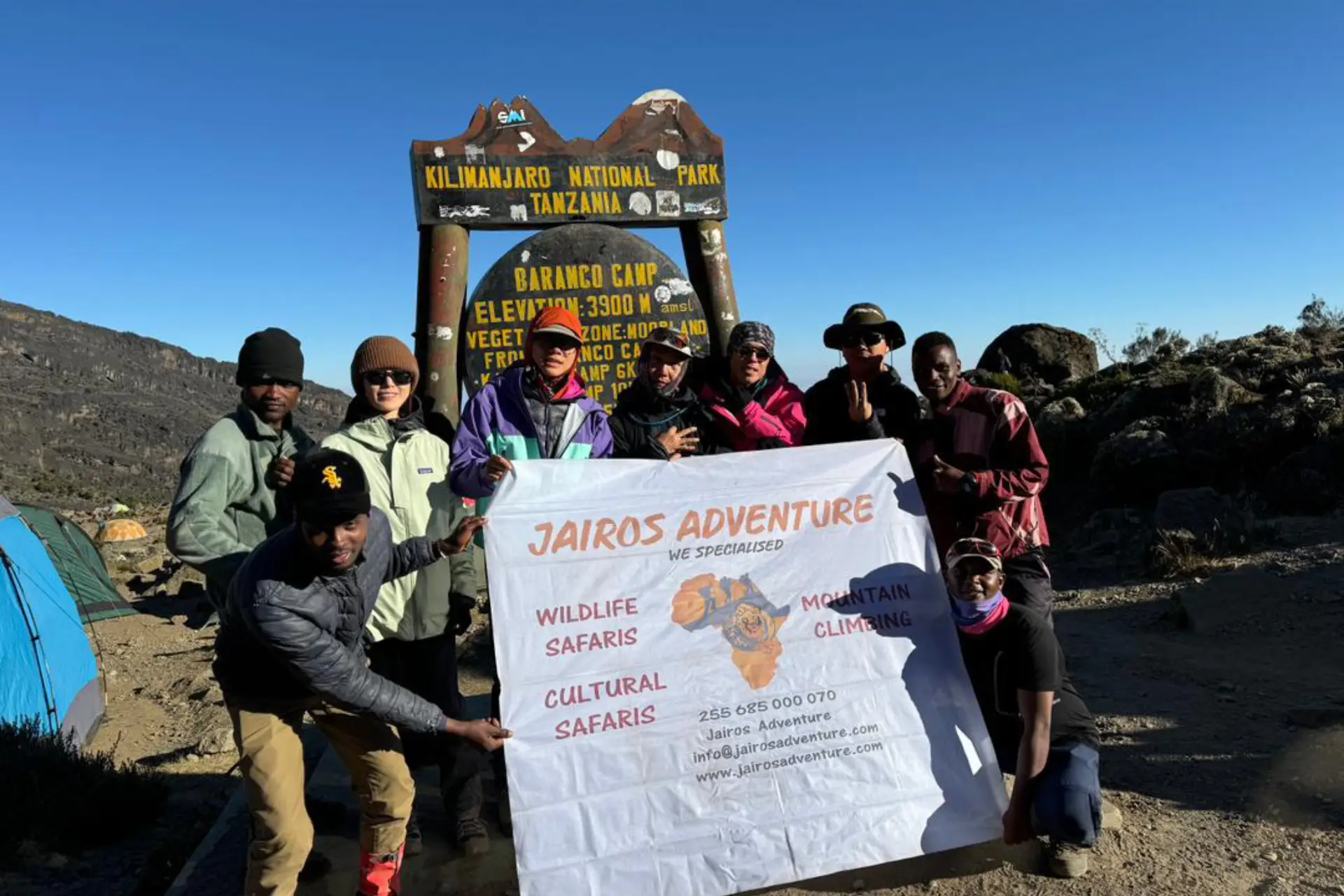
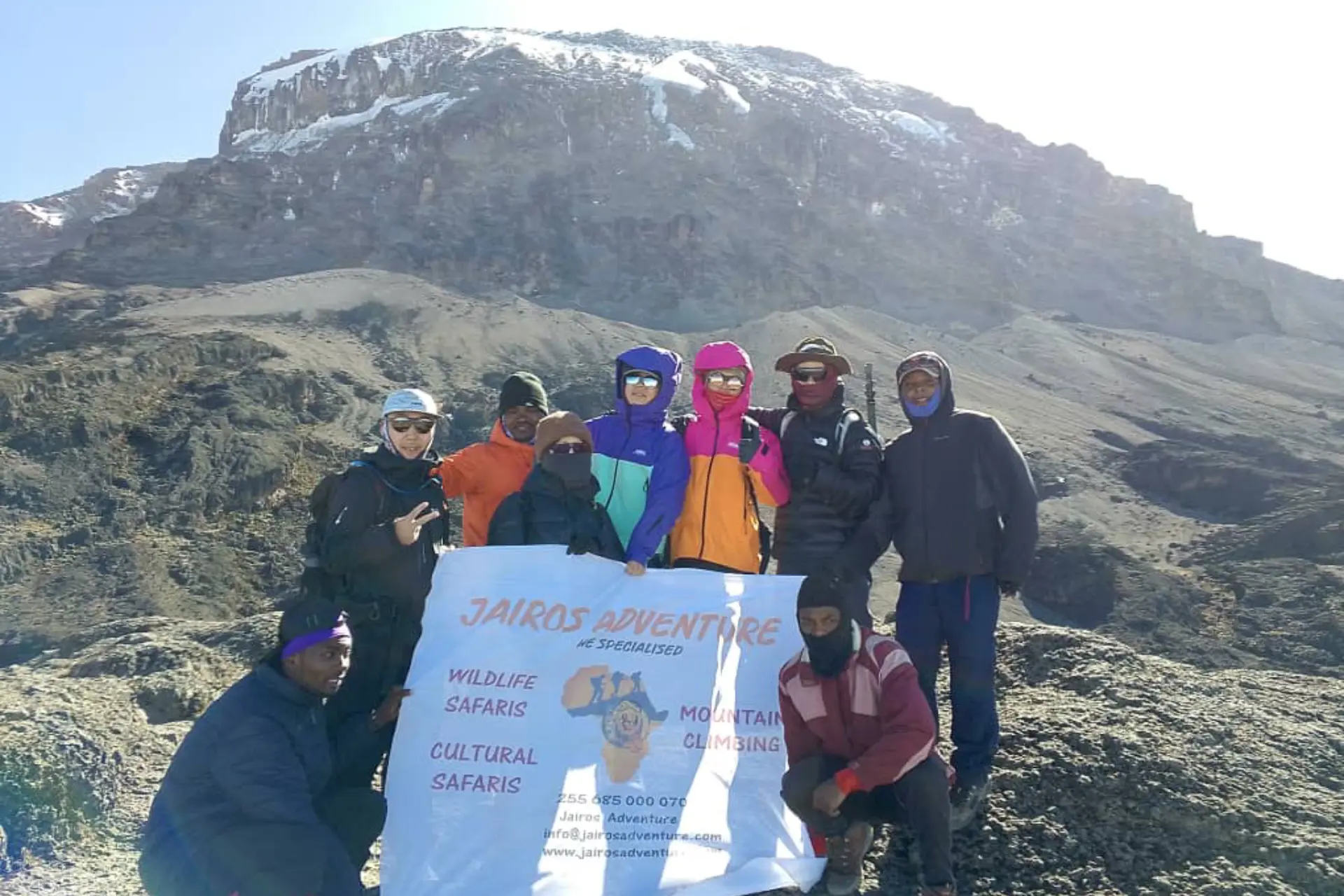
Only in Tanzania: Witnessing the Great Migration. Standing on the rim of Ngorongoro Crater at dawn. Spending a night under canvas in the Serengeti with lions calling in the darkness. Climbing Kilimanjaro before or after your safari. Ending your adventure with a week of total relaxation on the white-sand beaches and turquoise waters of Zanzibar — a combination that no other safari destination in Africa can replicate.
Only in Uganda: Sitting in the silent forest as a silverback mountain gorilla turns to look directly at you. Tracking wild chimpanzees through the canopy of Kibale’s ancient forest. Watching the Nile pour through a 7-meter-wide gorge at Murchison Falls in a thundering display of raw natural power. Experiencing the pearl-green landscapes of East Africa’s most visually stunning country — a place so beautiful it earned its nickname from Winston Churchill himself.
The Tanzania vs Uganda safari choice is ultimately about your personal safari vision. If you want the quintessential Africa game-viewing experience with sweeping plains, massive herds, and predator drama, Tanzania is your answer. If you want a deeply personal, forest-driven encounter with our closest animal relatives in one of Africa’s most lush and verdant landscapes, Uganda is calling.
Why Not Both? The Tanzania and Uganda Combined Safari
For travelers with 10 to 14 days, the most rewarding answer to the Tanzania vs Uganda safari debate is to combine both destinations. Start with Tanzania’s Serengeti and Ngorongoro for world-class savannah game viewing, then fly to Uganda for gorilla trekking in Bwindi and chimpanzee tracking in Kibale. This combination delivers the full spectrum of East African wildlife — from the Great Migration to mountain gorillas — in a single journey.
The best time for a combined Tanzania and Uganda safari is June through October, when both countries are in their respective dry seasons and wildlife viewing is at its peak.
Plan Your Tanzania vs Uganda Safari with Jairos Adventure
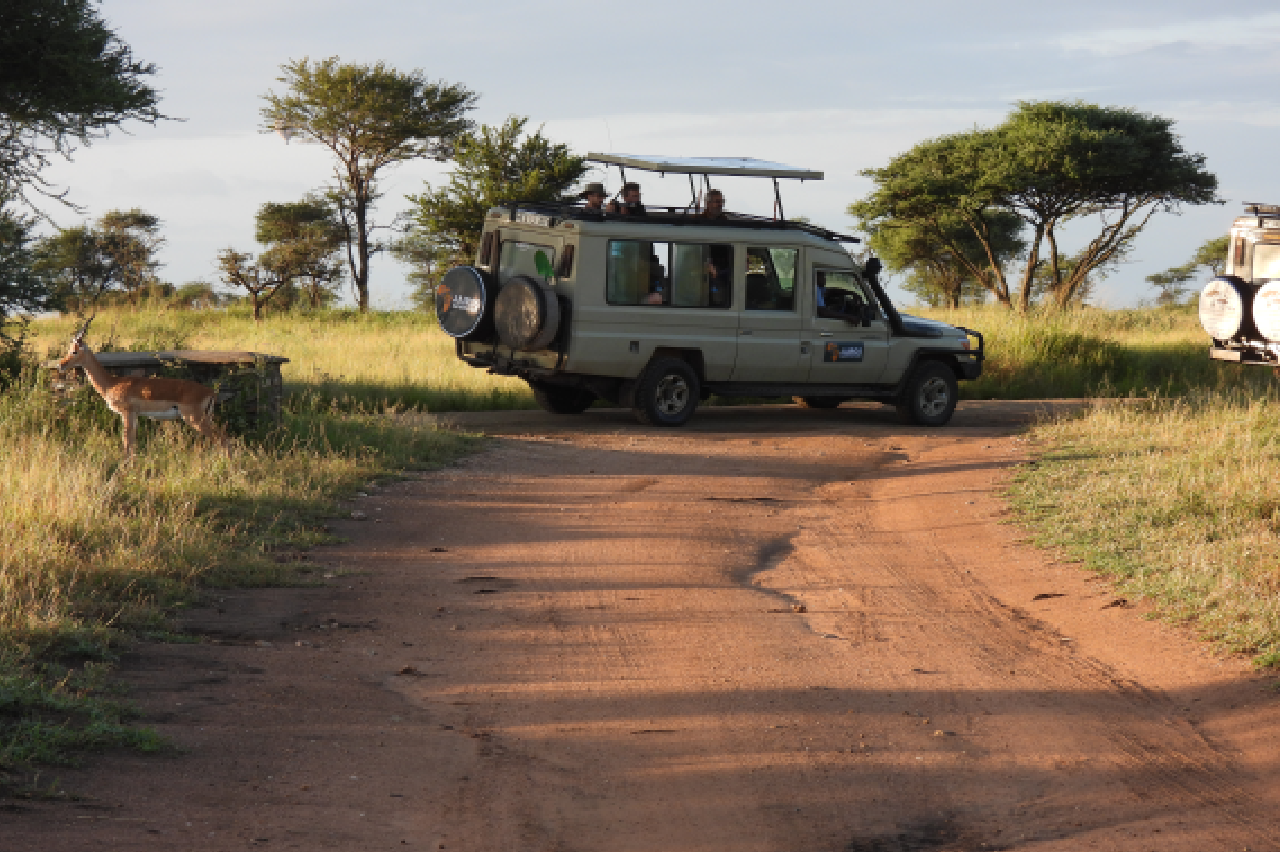
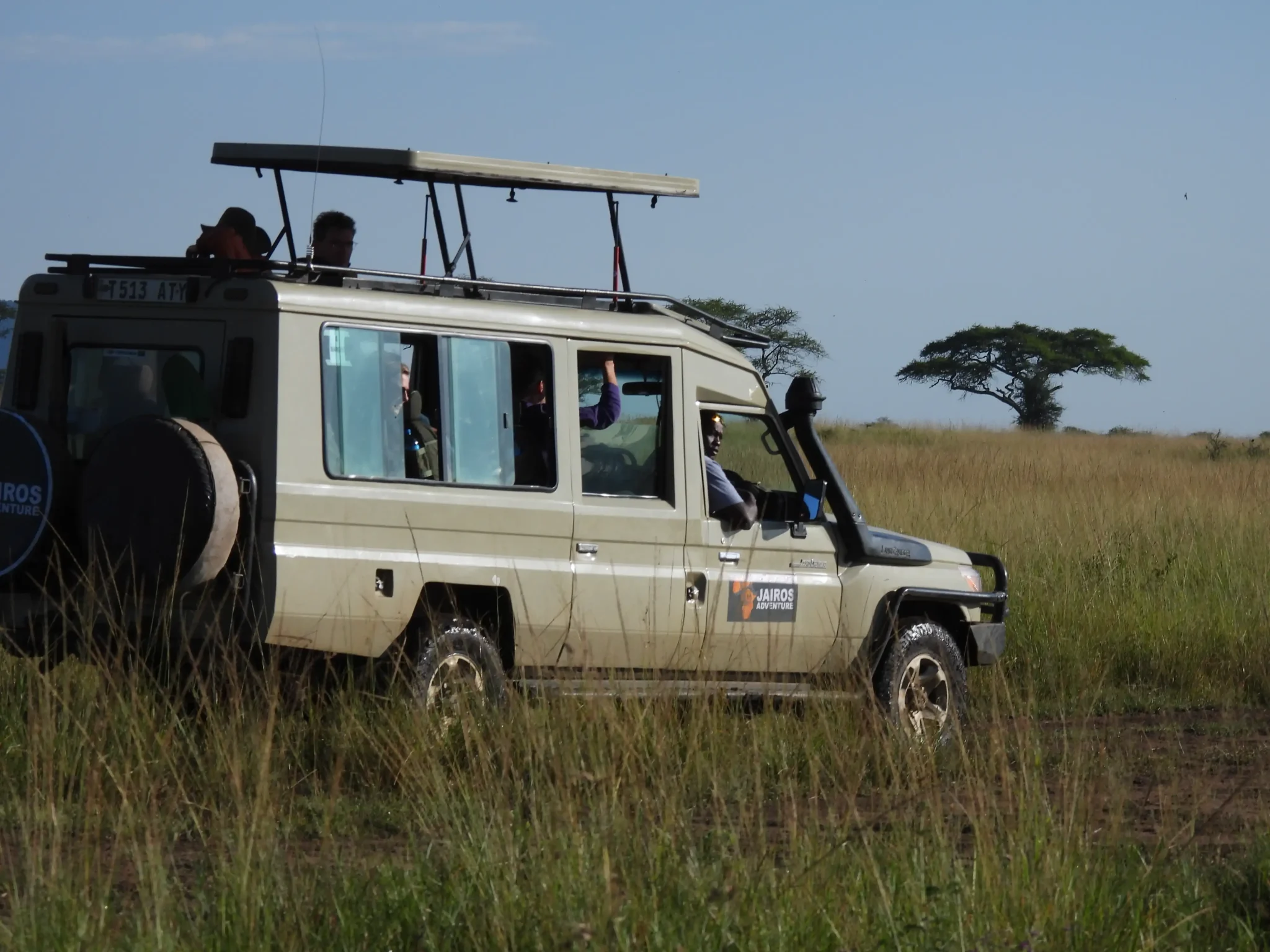
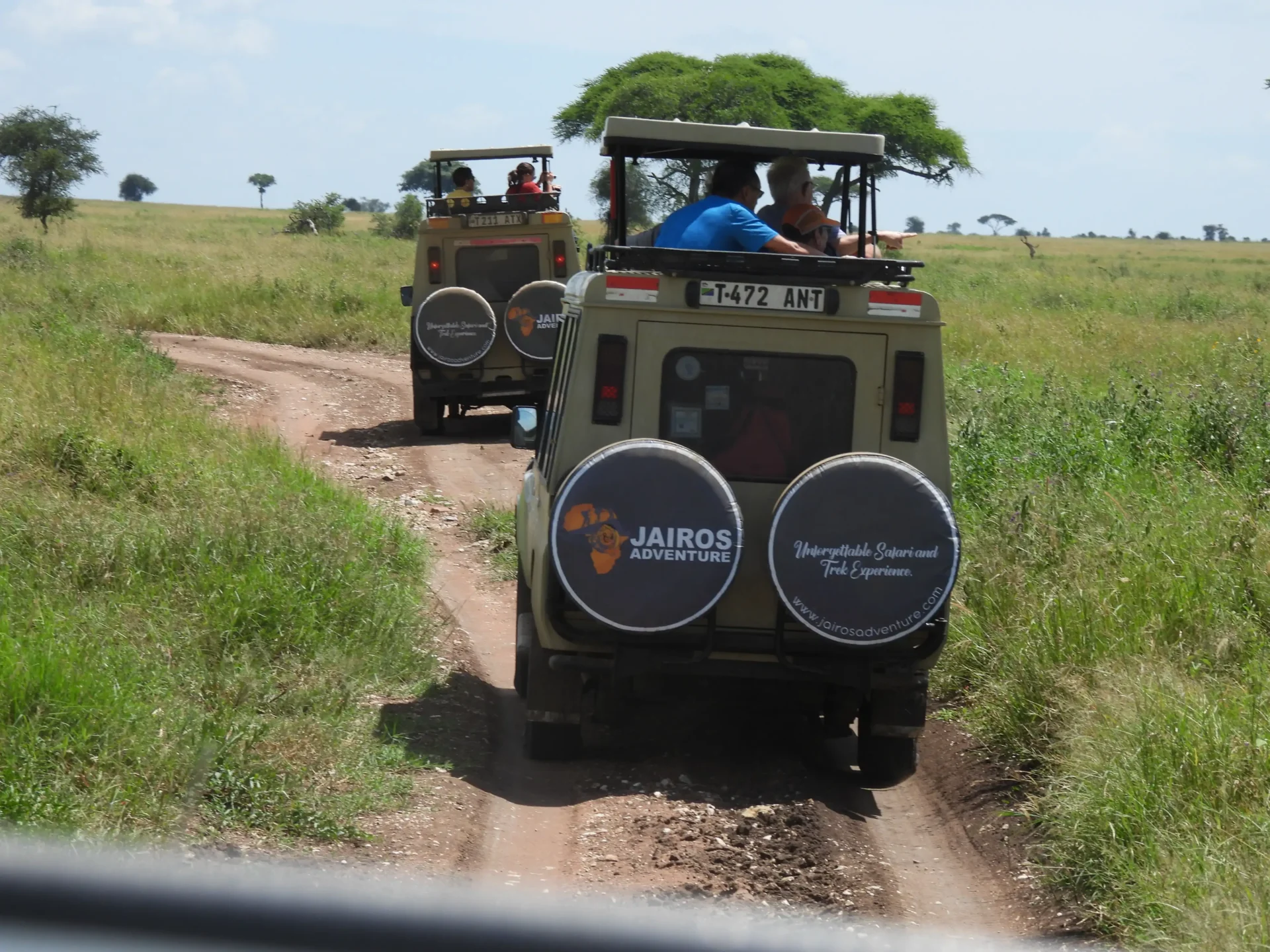
Whether Tanzania, Uganda, or both destinations are calling your name, Jairos Adventure is here to help you design the perfect East Africa safari for 2026. Our team of expert safari planners brings deep local knowledge, trusted supplier relationships, and a genuine passion for connecting travelers with the wild heart of Africa.
We handle everything — from gorilla permit bookings and Serengeti fly-camps to Zanzibar beach extensions and seamless multi-country logistics — so you can focus entirely on the experience of a lifetime. With Jairos Adventure, every detail is crafted with care, every moment in the wild is yours to treasure.
Ready to plan your ultimate Tanzania vs Uganda safari? Contact Jairos Adventure today and let us build your dream East Africa itinerary for 2026.
Tanzania vs Uganda Safari: Quick Comparison Table
| Category | Tanzania | Uganda |
|---|---|---|
| Wildlife Highlight | Great Migration, Big Five | Mountain gorillas, chimpanzees |
| Landscape | Open savannahs, volcanic craters | Dense rainforests, crater lakes |
| Top Park | Serengeti National Park | Bwindi Impenetrable NP |
| Park Fees | ~$70–$80/person/day | ~$40–$50/person/day |
| Key Permit Cost | None (park fees apply) | $800 gorilla permit |
| Best Season | June–October, Jan–Feb | June–September, Dec–Feb |
| Beach Extension | Zanzibar available | Not available |
| Best For | Classic safari, Big Five, Migration | Primates, gorillas, forest adventure |
Frequently Asked Questions: Tanzania vs Uganda Safari
Is Tanzania or Uganda better for a first safari? Tanzania is typically the better choice for first-time safari-goers, offering the classic open-plains experience with outstanding Big Five viewing and excellent tourist infrastructure. Uganda is ideal for travelers who specifically want to trek gorillas or have already experienced a traditional savannah safari.
Which is cheaper — a Tanzania safari or a Uganda safari? Uganda’s daily accommodation and park fees are generally lower than Tanzania’s, but the $800 gorilla trekking permit brings the total costs of a gorilla-focused Uganda safari into a similar range to a mid-range Tanzania safari. Both offer outstanding value for the experiences they deliver.
Can I combine Tanzania and Uganda in one trip? Absolutely. A 10 to 14-day combined Tanzania and Uganda safari is one of the most rewarding East Africa itineraries available in 2026. Flights between the two countries are relatively straightforward, and experienced operators like Jairos Adventure can coordinate seamless multi-country itineraries.
Do I need a visa for both Tanzania and Uganda? Tanzania and Uganda both require visas for most international travelers. Tanzania offers an e-visa that can be obtained online before travel. Uganda is not part of the East African Tourist Visa arrangement, so travelers combining Uganda with Tanzania will need separate visas for each country.
When is the best time for a Tanzania vs Uganda safari in 2026? June through October is the ideal window for both countries — aligning Tanzania’s peak dry season game viewing with Uganda’s peak gorilla trekking season. This period offers the very best conditions for a combined Tanzania vs Uganda safari experience.
Explore Our Adventures gallery

Customize Your Tour
Start your journey today with an unforgettable African Safari.
Tell us what you’re looking for, and we’ll help turn your travel ideas into an unforgettable experience.