
Family Safari in Tanzania
Exploring the Wonders of a Family Safari in Tanzania
Best Time to Visit Tanzania
Why Choose Tanzania for a Family Safari?
Tanzania stands out as a premier destination for a family safari, offering an exceptional blend of adventure, education, and natural beauty. The country is renowned for its rich biodiversity, providing families the opportunity to observe iconic wildlife such as elephants, lions, and giraffes in their natural habitats. This exposure not only fosters a deeper appreciation for wildlife conservation among children but also creates lasting memories that families can cherish together.
One of the key advantages of choosing Tanzania is its stunning variety of landscapes. From the vast, rolling plains of the Serengeti, known for the Great Migration, to the breathtaking heights of Mount Kilimanjaro, there is an endless array of visually captivating scenery to explore. This diverse environment can ignite a family’s sense of wonder as they experience everything from lush forests to arid savannahs, making each moment on safari a new adventure promoting curiosity in children.
Safety considerations are paramount when traveling with children, and Tanzania is committed to providing secure experiences for families. Most safari operators offer tailored packages that include family-friendly activities and accommodations. These providers emphasize safety protocols and knowledgeable guides, ensuring that families can explore the wilderness without concern. Many lodges and camps that cater specifically to families provide amenities such as child-friendly menus, babysitting services, and educational programs that engage younger travelers.
Planning Your Family Safari: Essential Tips
Planning a family safari in Tanzania can be a thrilling experience, but it requires careful consideration to ensure a memorable and enjoyable adventure for every family member. First and foremost, selecting the right safari package is crucial. Various options are available, ranging from group tours to private family itineraries. It is advisable to choose a package that caters specifically to families, as these typically provide age-appropriate activities and accommodations designed with children in mind.
Understanding the best times to travel is another essential factor in planning your safari. Tanzania’s dry season, from June to October, is considered the optimal time for wildlife viewing, as animals congregate near water sources, making sightings more likely. However, if your family is looking to avoid crowds, consider traveling during the shoulder seasons, such as late May or early November. These periods can present excellent opportunities for animal viewing with fewer tourists.
Packing the right items is vital for the comfort and safety of your family. Essential clothing includes layers for varying temperatures, comfortable walking shoes, and hats to protect against the sun. Don’t forget to bring binoculars for wildlife watching, a good-quality camera, and sunscreen. Kids will appreciate having their own backpacks with some personal items—this can create a sense of ownership about the trip.
When it comes to guides and tour operators, opt for those who specialize in family safaris. These professionals often have experience working with children and can offer tailored adventures that engage young minds. To build excitement about the journey, involve your children in the planning process. Allow them to research animals they wish to see or activities they would like to try, creating enthusiasm for the adventure that lies ahead.
Top Family-Friendly Safari Destinations in Tanzania
Tanzania is renowned for its breathtaking landscapes and diverse wildlife, making it an exceptional location for family safaris. Among the top destinations is the famed Serengeti National Park. Home to the Great Migration, the Serengeti offers families a chance to witness one of nature’s most astounding events. Children can engage in educational programs, where they learn about the ecology and behaviors of the wildlife, enriching their understanding and appreciation of nature.
Another prominent destination is the Ngorongoro Crater, a UNESCO World Heritage site characterized by its unique geological formations and rich biodiversity. The crater’s compact size makes it easy for families to explore, ensuring an exciting safari experience without extensive travel. Families often choose to participate in guided ranger-led walks, which are particularly suitable for younger children, allowing them to learn about the habitats and species they encounter in a safe environment.
Additionally, Tarangire National Park is an excellent choice for families, famous for its large elephant population and stunning baobab trees. The park is less crowded than the Serengeti, providing a more intimate safari experience. Families can partake in night game drives, a thrilling way for children to observe nocturnal wildlife activities. Moreover, many lodges in Tarangire provide family-friendly amenities and programs tailored specifically for younger guests, ensuring both fun and educational experiences.
Creating Lasting Memories on Your Family Safari
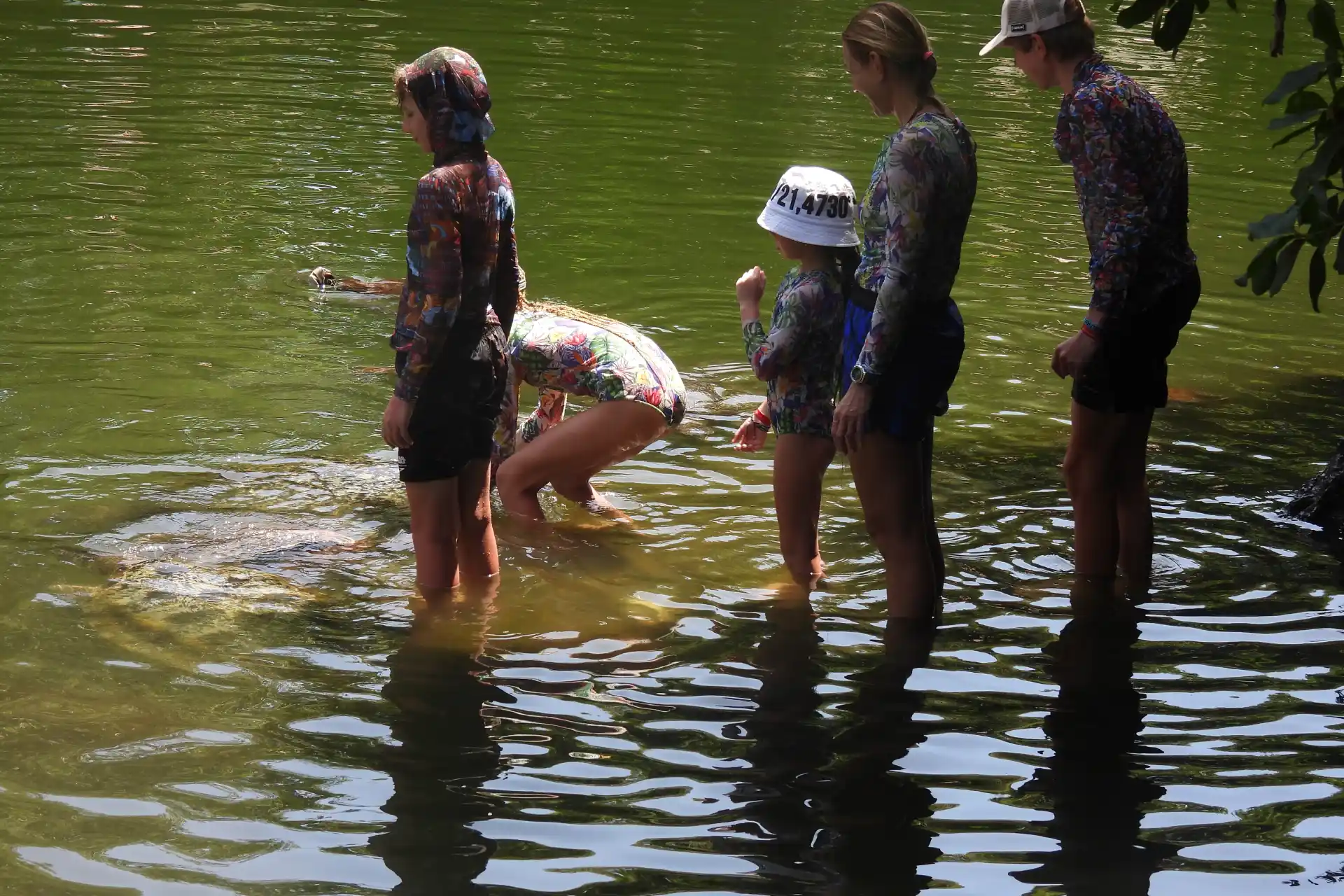
A family safari in Tanzania is not just an extraordinary adventure; it is an opportunity to forge bonds and create lifelong memories. As families embark on this journey together, they share exciting moments that often become cherished stories for years to come. Whether it’s witnessing the majestic migration of wildebeests or having an up-close encounter with a pride of lions, these experiences instill a sense of wonder and awe that is best appreciated and remembered together. The shared thrill of spotting wildlife fosters connection and creates a platform for meaningful discussions about nature and conservation.
In today’s digital age, the incessant presence of technology can often overshadow family interactions. A safari provides an ideal environment to disconnect from screens and immerse oneself in the splendor of nature. Families can engage in activities like game drives, guided nature walks, and star-gazing at night, which encourage direct engagement without the distractions of everyday life. This withdrawal from technology facilitates deeper conversations and connections among family members, enhancing the experience and allowing everyone to appreciate their surroundings together.
Documenting the safari adventure through photography and journaling is an invaluable way to capture the essence of the journey. Families can take turns snapping pictures of their thrilling encounters, which not only serve as visual reminders of the trip but also as tools to spark discussions about what made each moment special. Journals can be filled with insights, thoughts, and feelings experienced during the safari, providing a personal touch to the memories made. Moreover, after returning home, reflecting on the journey by revisiting photos and journals can deepen the appreciation of the time spent together, reinforcing a sense of unity among family members as they relive their shared experiences.
Why Choose a Family Safari in Tanzania
Tanzania is one of the world’s greatest family safari destinations, offering an unmatched wildlife experience that captivates children and adults alike. Home to the legendary Serengeti, the Ngorongoro Crater, and Tarangire National Park, the country boasts some of Africa’s highest concentrations of wildlife. Families can witness the Great Wildebeest Migration — one of nature’s most spectacular events — spot the Big Five, and encounter giraffes, elephants, and zebras in their natural habitat. These shared moments of wonder create lifelong memories and give children a profound, real-world connection to nature and conservation.
Beyond the wildlife, Tanzania offers a family-friendly safari infrastructure that makes travel with children both comfortable and enriching. Many lodges and camps offer dedicated family tents or suites, child-friendly menus, and junior ranger programs designed to educate and engage young explorers. The country is generally safe, the locals are famously warm and welcoming, and the diversity of landscapes — from savannah plains to the slopes of Mount Kilimanjaro — keeps every member of the family inspired. A Tanzania family safari is not just a holiday; it’s an adventure that teaches children about the natural world most vividly and unforgettably possible.
Tanzania also offers remarkable cultural experiences that add depth and meaning to any family trip. Visits to Maasai villages allow families to learn about ancient traditions, music, dance, and ways of living that have remained largely unchanged for centuries. Children gain a broader worldview and a genuine appreciation for cultural diversity, while parents find these interactions equally humbling and inspiring. Many safari operators now include cultural tours as part of their family packages, weaving together wildlife and heritage into a single, holistic journey.
The practical side of planning a family safari in Tanzania is far more manageable than many families expect. The country has a well-developed tourism infrastructure, with domestic flights connecting major parks and reducing long road journeys that can tire younger children. Safari vehicles are spacious and equipped with pop-up roofs for easy game viewing, and experienced guides are skilled at making the experience engaging for kids of all ages — narrating animal behavior, answering endless questions, and turning every game drive into an interactive classroom. With the right operator, a Tanzania safari can be tailored to suit the pace, interests, and budget of virtually any family.
Finally, choosing Tanzania for a family safari is a meaningful way to contribute to conservation and local communities. Much of the country’s tourism revenue flows directly into wildlife protection programs and community development projects, meaning that every family that visits plays a small but important role in preserving these ecosystems for future generations. Children who experience Tanzania’s wild places firsthand often grow into passionate advocates for the environment. In this way, a family safari is not just a trip — it is an investment in the values, perspectives, and passions that will shape your children for the rest of their lives.