
Exploring the Bush Meal Experience in Tanzania
Tanzania, renowned for its breathtaking landscapes and diverse wildlife, offers much more than just picturesque safaris. One of the unique culinary experiences that travelers can indulge in is the bush meal, which elegantly combines outdoor dining with the rich culture and traditions of the region. A bush meal often takes place in an open-air setting, surrounded by the serenity of nature, allowing individuals to immerse themselves in the surrounding environment while savoring delicious local cuisine.
The significance of bush meals in Tanzanian culture extends beyond the mere act of dining. These meals are typically enjoyed in the heart of nature, often set against a backdrop of rolling hills, sprawling savannas, or tranquil lakes. This distinctive ambiance transforms a meal into a memorable adventure, allowing participants to witness the beauty of the Tanzanian wilderness while enjoying a carefully prepared feast. It not only showcases the culinary richness of the region but also fosters a deep connection with nature.
The menu for a bush meal often highlights local ingredients and traditional recipes, capturing the essence of Tanzanian gastronomy. Guests can expect to find a range of sumptuous dishes, from grilled meats and fresh vegetables to traditional staples such as ugali and rice. The culinary offerings are usually complemented by refreshing beverages, offering a perfect way to cool off in the African heat. This experience is integral to many safari adventures, where the excitement of embarking on a wildlife journey transports diners to a state of pure bliss.
As travelers partake in these bush meals, they not only satiate their hunger but also create lasting memories, woven together by the flavors, sounds, and sights of Tanzania. Understanding the cultural significance of bush meals enhances the anticipation for those seeking to explore this enchanting aspect of Tanzanian hospitality.
Serengeti National Park stands as the ultimate destination for bush dining experiences, offering meals served under expansive acacia trees with panoramic views of endless golden plains teeming with migrating wildebeest and grazing zebra. The park’s diverse landscapes provide countless secluded spots where expert chefs prepare gourmet lunches and romantic sundowner dinners, creating that authentic “Out of Africa” atmosphere while lions roar in the distance and elephants traverse the horizon.
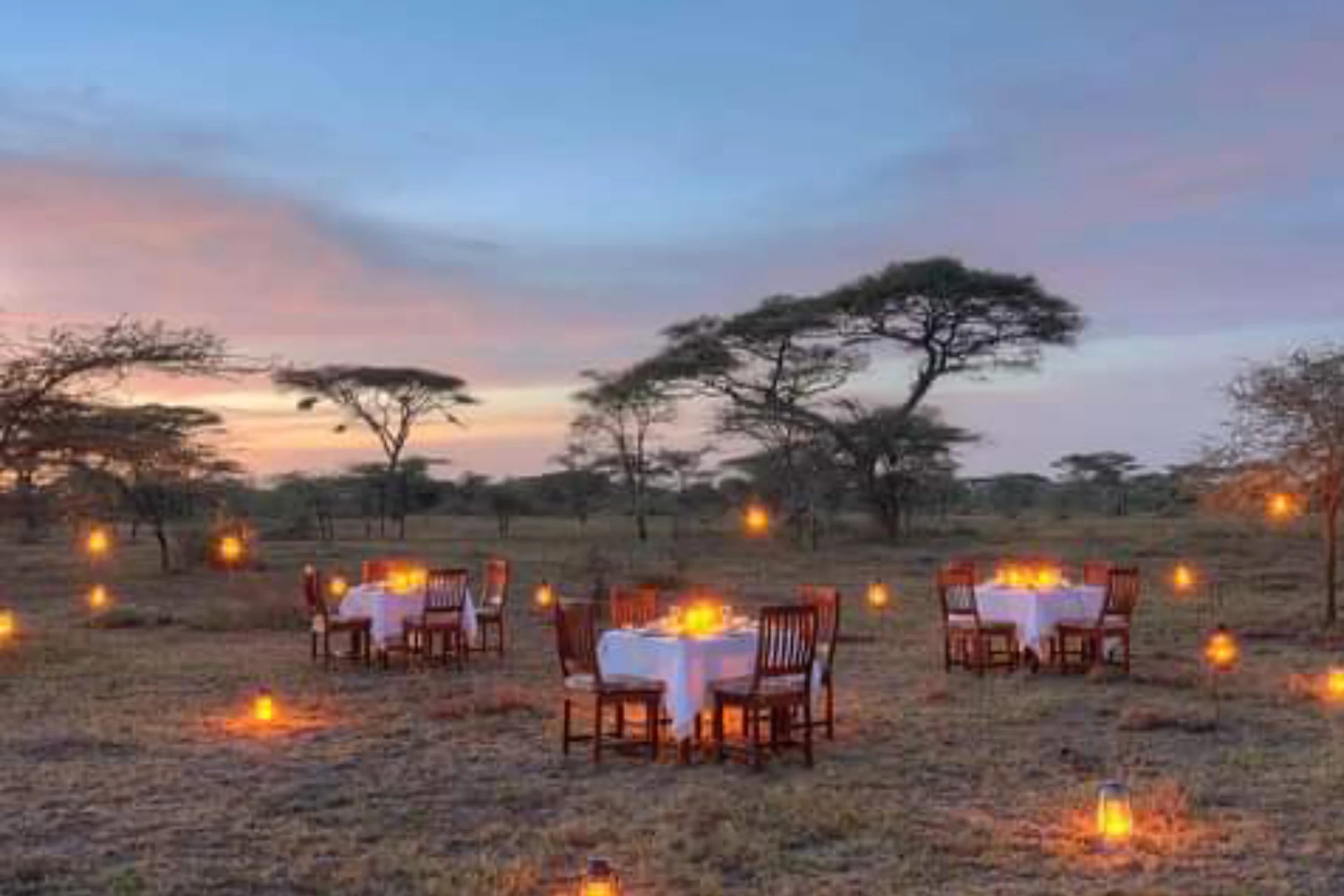
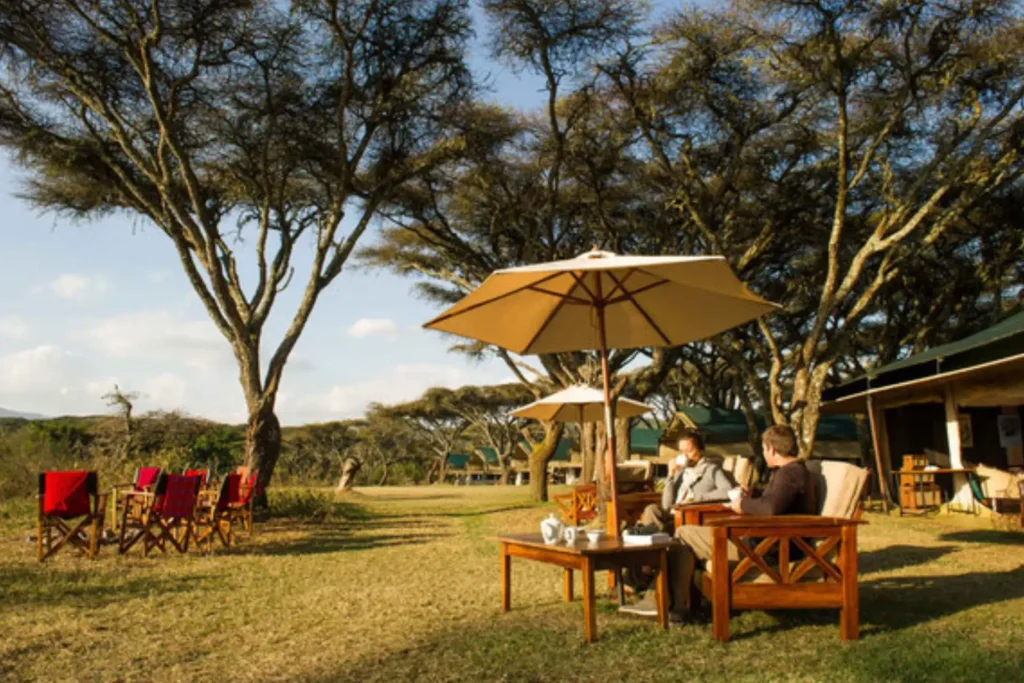
Ngorongoro Crater delivers dramatic bush meal settings along the crater rim, where you’ll savor fresh-prepared breakfasts and lunches while overlooking the world’s largest intact volcanic caldera 600 meters below, home to an incredible concentration of wildlife including the Big Five. The combination of altitude, spectacular views, and the unique ecosystem visible beneath you creates an unmatched dining experience that pairs culinary excellence with natural wonder.
Tarangire National Park offers intimate bush dining beneath ancient baobab trees, with massive elephant herds often wandering past your table as you enjoy chef-prepared meals along seasonal rivers. The park’s distinctive landscape of giant baobabs, acacia woodlands, and swamps provides a more exclusive, uncrowded setting for bush meals, perfect for those seeking authentic wilderness dining away from tourist crowds.

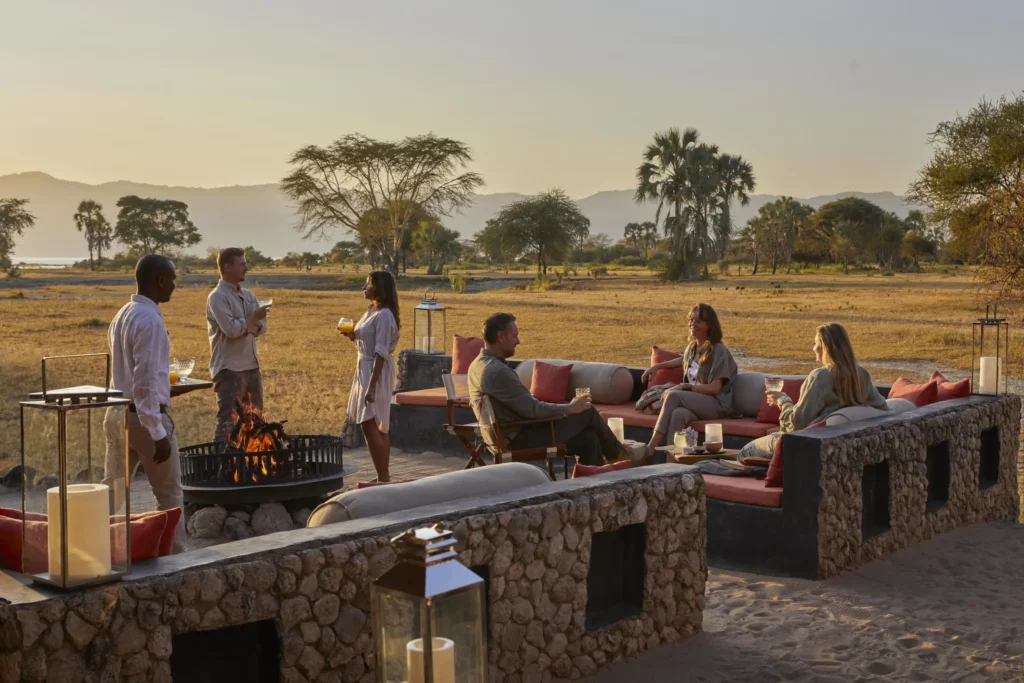
Lake Manyara National Park provides unique bush meal experiences at the base of the dramatic Rift Valley escarpment, where diverse birdlife serenades your lunch and the possibility of spotting rare tree-climbing lions adds excitement to every course. The park’s varied ecosystems—from groundwater forests to alkaline lake shores—create stunning backdrops for unforgettable meals that combine excellent cuisine with remarkable wildlife viewing opportunities.
Experience the magic of dining in the African wilderness with bush meals in Tanzania’s premier safari destinations, where gourmet cuisine meets breathtaking natural settings. The Serengeti National Park offers unparalleled bush dining opportunities, with meals served under sprawling acacia trees overlooking vast plains teeming with wildlife, creating an authentic Out of Africa atmosphere that’s simply unforgettable. Ngorongoro Crater provides dramatic settings for bush breakfasts and lunches on the crater rim, where you’ll enjoy fresh-prepared meals while gazing down at the world’s largest intact volcanic caldera filled with abundant wildlife below. Tarangire National Park, with its iconic baobab trees and elephant herds, offers intimate bush dining experiences in secluded spots along seasonal rivers, combining excellent cuisine with spectacular scenery. Lake Manyara National Park delivers unique bush meal settings beneath the Rift Valley escarpment, where you can dine surrounded by diverse birdlife and the possibility of spotting tree-climbing lions. For the ultimate luxury, many top safari operators in these parks arrange surprise sundowner cocktails followed by candlelit dinners in remote wilderness locations, complete with white-linen service, chef-prepared multi-course meals, and traditional Maasai entertainment under star-filled African skies. Book your safari with bush meal experiences today and transform your wildlife adventure into a culinary journey you’ll treasure forever.
Tanzania’s bush meals offer a unique culinary experience that showcases the country’s rich cultural heritage and diverse food traditions. These meals are typically prepared using local ingredients sourced from the surrounding environment, providing a taste of the continent’s best flavors. Central to these meals are staple dishes which reflect the country’s agricultural bounty, incorporating staples such as maize, rice, and various legumes, alongside fresh vegetables and meats. A quintessential dish often found in Tanzanian bush meals is “ugali,” a dense maize porridge that serves as an essential carbohydrate base for many Tanzanian families. It is usually accompanied by a variety of stews and vegetable dishes, making for a well-rounded meal. Another notable dish is “nyama choma,” or grilled meat, which is often prepared over open fires, imbuing it with a smoky flavor that is difficult to replicate with modern cooking methods.
The cooking techniques employed in bush meals are deeply rooted in tradition and emphasize communal sharing. Meals are frequently cooked over an open flame or in earthen ovens, allowing for authentic flavors to develop while bringing families and friends together. Alongside meats, diners can expect to enjoy seasonal vegetables such as “kashata,” a coconut dish that adds a delightful sweetness to the savory profile of the meal. In addition to these well-known dishes, regional variations exist throughout Tanzania, showcasing the culinary diversity within the country. For instance, coastal regions may serve fresh fish seasoned with local spices, while the interior might celebrate hearty stews made with game meat. The blending of flavors and the use of fresh, locally sourced ingredients make Tanzanian bush meals a truly fascinating aspect of the country’s culinary landscape.
In Tanzania, bush meals are not merely about nourishment; they represent a rich tapestry of cultural significance, emphasizing community bonding and social interactions. This dining experience is deeply woven into the fabric of local traditions, where sharing food paves the way for connections among individuals. In various Tanzanian cultures, meals are occasions for gathering, celebrating, and reinforcing relationships, reflecting a profound respect for communal ties. The act of eating together provides a context for storytelling, exchanging ideas, and fostering a sense of belonging among participants. The importance of the communal aspect is evident in the preparation and consumption of bush meals. Typically, these meals involve local ingredients, highlighting the region’s culinary diversity and agricultural richness. The participation in meal preparation is a cherished practice, often bringing individuals closer together and engaging them in cooperative activities. It is not uncommon for families and friends to gather to cook traditional dishes, sharing skills and knowledge that have been passed down through generations.
Etiquette plays a crucial role in the bush meal experience, ensuring that the dignity of the gathering is upheld. It is customary for guests to wait for the host to invite them to begin eating, reflecting respect for hospitality. Additionally, observing local customs, such as using the right hand for eating and avoiding waste, is essential. Guests are encouraged to take part in conversations and express gratitude for the meal, further enhancing the social fabric of the event. These practices not only honor the cultural roots of the community but also serve to cultivate an engaging and meaningful atmosphere for all participants involved in the bush meal experience.
Planning your own bush meal adventure in Tanzania can be an exhilarating experience that combines the joy of outdoor cooking with the breathtaking backdrop of nature. To begin, it is crucial to choose the right location. National parks and wildlife reserves, such as Serengeti National Park and Ngorongoro Crater, offer stunning settings for a bush meal, allowing you to enjoy the sounds and sights of the African wilderness while dining al fresco. Ensure that the chosen location allows for such activities and that it is safe from potential wildlife encounters.
Once you have selected your ideal location, the next step is deciding on the menu. It is beneficial to include local ingredients that represent Tanzanian cuisine, such as grilled meats, fresh vegetables, and traditional dishes like ugali. Consider including a selection of beverages that pair well with your meal, offering both non-alcoholic options and local drinks such as Kilimanjaro beer or malagasy wine. Consulting with local chefs or catering services can provide valuable insight into the best food choices for your adventure.
Logistics are also an important aspect of planning a bush meal. Depending on your location, you may need to arrange for transportation, catering services, and necessary cooking equipment. Hiring local guides who specialize in bush meals can greatly enhance your experience, providing expertise on navigating the terrain and selecting the most picturesque dining spots. It’s advisable to book your adventure during the dry season, typically from June to October, which offers a more comfortable climate and better wildlife visibility
Ready to experience the adventure of a lifetime? Contact our safari specialists to design your perfect Tanzania safari adventure.
Join our Tanzania Group Safari and explore famous national parks like Tarangire, Serengeti, and Ngorongoro with expert guides and fellow travelers. If you love adventure, this is your perfect trip!